Experience the charm of Kyoto Racecourse in Umeda! ‘~Hospitality Spot~ Kyoto Racecourse Room’ will be held at Big Man Front Square from April 23 to April 26.
We received information about an event to be held in Osaka City!
According to the information we received, from Thursday, April 23, 2026 to Sunday, April 26, 2026, an event called “Omotenashi-sho Kyoto Keiba no Ma” will be held at the Big Man front plaza in Kita-ku, Osaka City.
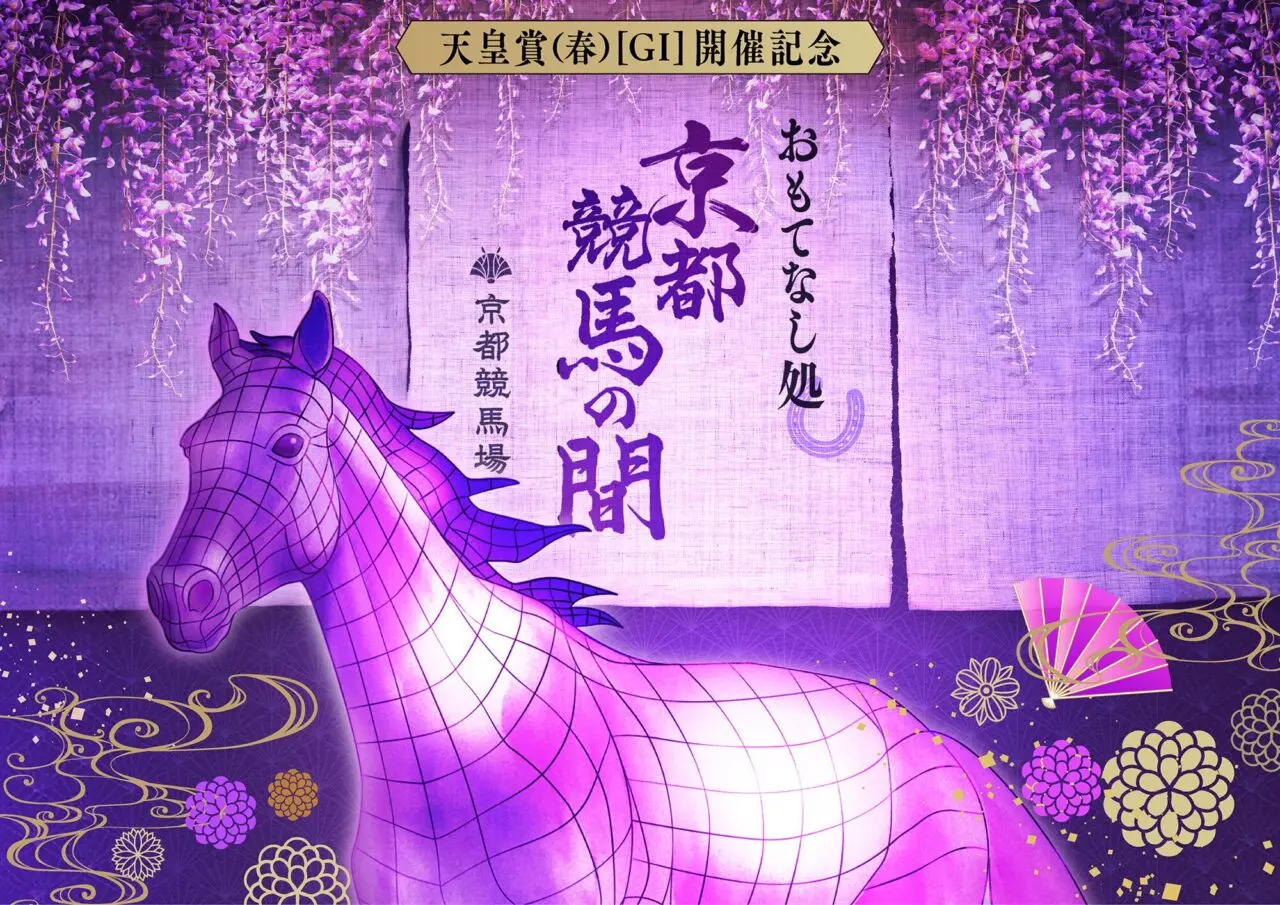
“Omotenashi-sho Kyoto Keiba no Ma” is an event that expresses the tradition and dignity of the G1 race Tenno Sho (Spring) at Kyoto Racecourse through the concept of “wa” (Japanese harmony), allowing visitors to see, learn, and have fun.
Provided image.
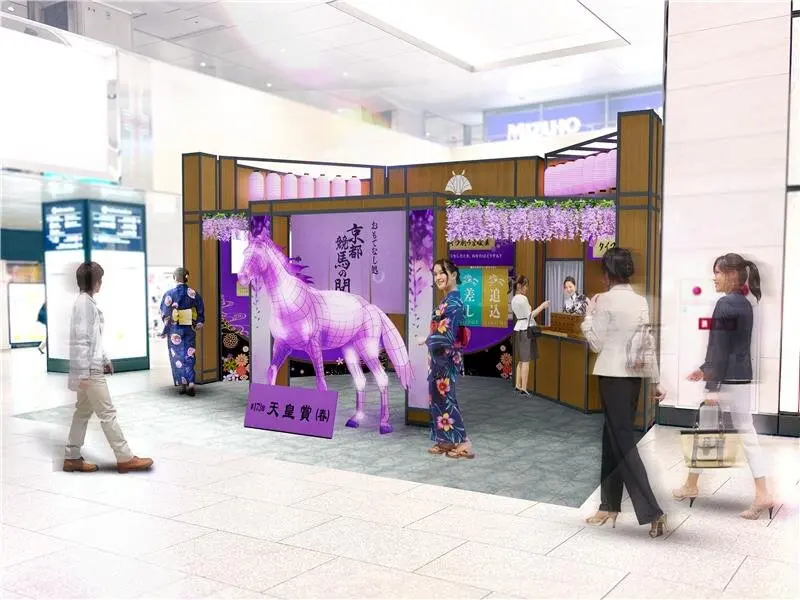
On the event day, a special venue will be set up, featuring a “Maneki-uma” (beckoning horse) made from lantern fabric, an “Omotenashi Panel” showcasing experience spots and gourmet food at Kyoto Racecourse, and a “Horse Racing Knowledge Panel” explaining how to enjoy horse racing, among various other programs.
‘Omotenashi-sho Kyoto Keiba no Ma’
Date and Time: Thursday, April 23, 2026 – Sunday, April 26, 2026 11:00 AM – 8:00 PM
Location: Big Man front plaza
Free admission
Admission is free, so why not take this opportunity to enjoy the charm of Kyoto Racecourse in Umeda, whether you are a horse racing fan or have never been to a racecourse before?
For more details, please check here.
The Big Man front plaza venue is around here ↓
Image is for illustration purposes.
We received information about an event to be held in Osaka City!
Provided image.
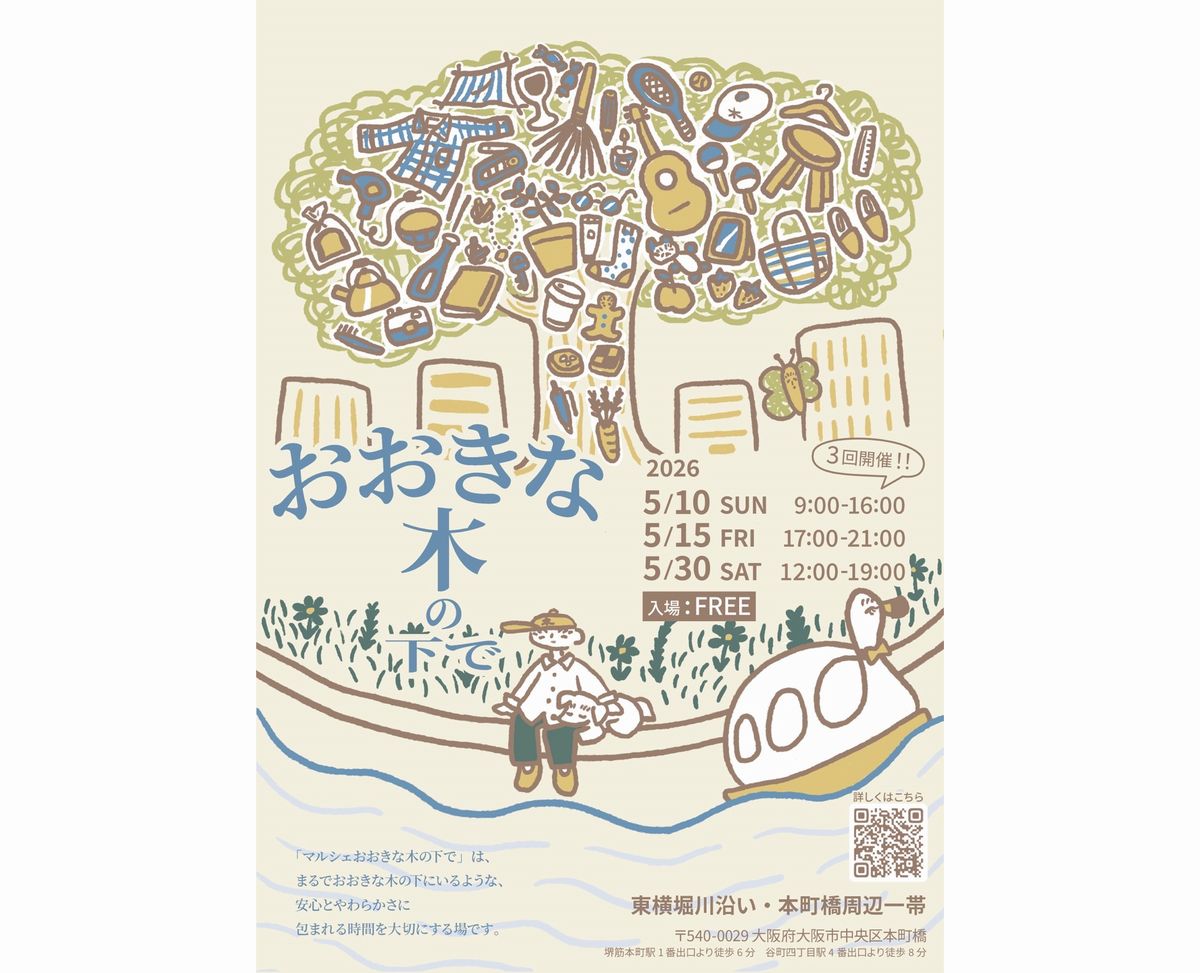
According to the information we received, an event called will be held on Sunday, May 10, 2026, Friday, May 15, 2026, and Saturday, May 30, 2026, along the Higashi-Yokobori River and around Honmachi Bridge in Chuo-ku, Osaka City.
“Marche Under the Big Tree” is a market with the concept of a place that feels safe and soft, as if you were under a big tree, where you can enjoy the changing beautiful expressions of the waterside depending on the time of your visit and take a relaxing break.
Provided image.
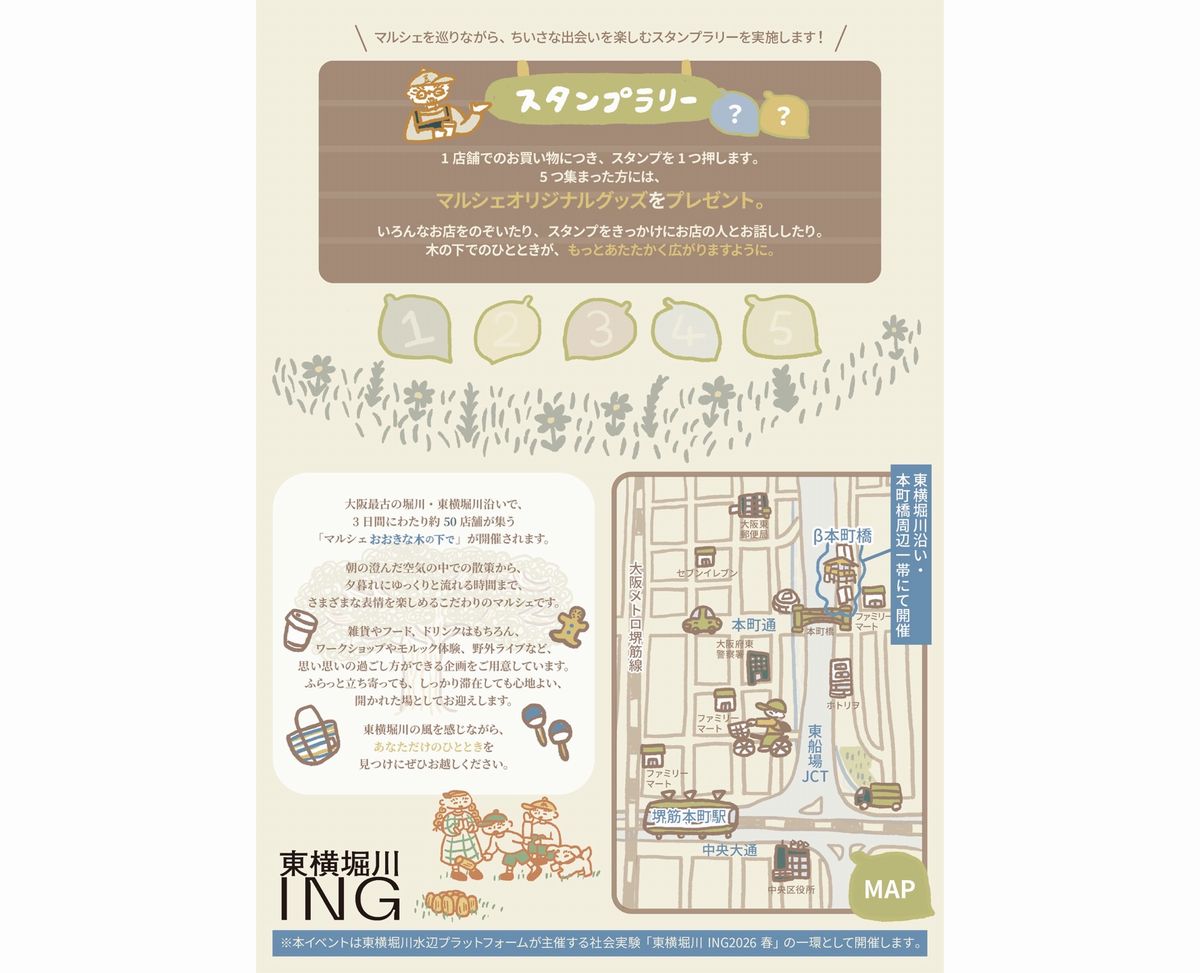
On the day, you can enjoy various programs such as miscellaneous goods, food, workshops, mölkky experience, outdoor live music, and a stamp rally.
‘Marche Under the Big Tree’
Date and Time: Sunday, May 10, 2026, 9:00 AM – 4:00 PM Friday, May 15, 2026, 5:00 PM – 9:00 PM Saturday, May 30, 2026, 12:00 PM – 7:00 PM
Venue: Along Higashi-Yokobori River and around Honmachi Bridge
Free admission
Admission is free, so why not take this opportunity to enjoy a market in an area where you can appreciate the waterside scenery right in the
Osaka City
Osaka City is a major port and commercial hub in Japan, historically known as the “nation’s kitchen” for its role in rice trade during the Edo period. It thrived as a merchant city and was briefly the imperial capital in the 7th century. Today, Osaka is famous for its modern architecture, vibrant food culture, and landmarks like Osaka Castle, which dates back to the 16th century.
Big Man front plaza
The “Big Man front plaza” is a traditional ceremonial and gathering space found in Melanesian societies, particularly in Papua New Guinea and the Solomon Islands. Historically, it served as the central venue for a “Big Man”—a local leader who earned status through wealth, oratory, and generosity—to host feasts, settle disputes, and perform rituals. The plaza thus symbolizes the social and political authority of the Big Man system, which has shaped community organization in the region for centuries.
Kyoto Racecourse
Kyoto Racecourse is a major horse racing venue located in Fushimi, Kyoto, Japan, which opened in 1927. It is one of the country’s most historic tracks and is best known for hosting the prestigious Grade 1 Tenno Sho (Spring) and the Queen Elizabeth II Cup. The racecourse features a distinctive turf course and a modern grandstand, blending traditional racing heritage with contemporary facilities.
Umeda
Umeda is a major commercial, business, and entertainment district located in Kita-ku, Osaka, Japan, centered around the bustling Umeda Station. Historically, the area was developed in the late 19th century as a key railway hub, with the opening of the first train station in 1874, which spurred its transformation into a vibrant urban center. Today, it is known for its skyscrapers, underground shopping malls, and landmarks like the Umeda Sky Building, reflecting its evolution from a transport nexus to a modern city landmark.
Higashi-Yokobori River
The Higashi-Yokobori River is a historic canal in Osaka, Japan, originally built in the early 17th century as part of the city’s extensive waterway network to facilitate trade and transport. It runs through the bustling Dotonbori district, famous for its neon-lit entertainment and dining scene. Today, the river remains a key feature of Osaka’s urban landscape, offering boat tours that highlight its cultural and historical significance.
Honmachi Bridge
Honmachi Bridge is a historic bridge in Osaka, Japan, spanning the Higashi-Yokobori River. Originally built during the Edo period as part of the city’s canal network for trade and transport, it has been reconstructed over the centuries. Today, it stands as a quiet reminder of Osaka’s merchant heritage, with nearby streets retaining traditional architecture and charm.
Chuo-ku, Osaka City
Chuo-ku is the central and historic heart of Osaka City, Japan, serving as a major commercial and cultural hub. It is home to iconic landmarks like Osaka Castle, which played a key role in the unification of Japan during the 16th century, and the vibrant Dotonbori entertainment district, known for its neon lights and street food. The area has long been a center of trade and commerce, evolving from a merchant hub in the Edo period to a modern business and tourism destination.
Kita-ku, Osaka City
Kita-ku is a vibrant central ward in Osaka City, Japan, historically serving as a key commercial and transportation hub since the Edo period. It is home to the iconic Umeda district, which developed around Osaka Station and has grown into a major business, shopping, and entertainment center. Today, Kita-ku blends modern skyscrapers with cultural landmarks like the Osaka Tenmangu Shrine, reflecting its evolution from a historic post town to a dynamic urban core.