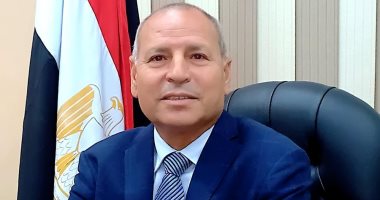
President of Capital University congratulates Ibrahim Saber on Cairo joining the UNESCO network.
Dr. El-Sayed Qandil congratulated Dr. Ibrahim Saber Arab, Governor of Cairo, on the announcement of Cairo joining the UNESCO Global Network of Learning Cities for 2025, along with two other new Egyptian cities approved by UNESCO: Mansoura and Shibin El Kom.
The capital’s inclusion in the global network is a pioneering step towards establishing a culture of learning
Dr. Qandil emphasized that this achievement reflects the great efforts made to support continuous education, enhance innovation, and develop community initiatives aligned with Egypt’s Vision 2030, noting that the capital’s inclusion in the global network is a pioneering step towards establishing a lifelong learning culture and achieving sustainable development.
He added that the university is fully ready to strengthen cooperation with the Cairo Governorate in implementing educational programs and initiatives that support the goals of the UNESCO Global Network of Learning Cities, contributing to improving citizens’ quality of life, expanding empowerment opportunities, and developing flexible and inclusive learning environments for all age groups.
Dr. Qandil concluded his congratulations by affirming that Cairo’s inclusion represents a source of pride for all Egyptians and reflects its distinguished status as a leading city in education, innovation, and cultural and social development.
UNESCO Global Network of Learning Cities
The UNESCO Global Network of Learning Cities (GNLC) is an international network established by UNESCO in 2012 to promote lifelong learning and sustainable development in urban areas. It connects cities worldwide that are committed to providing inclusive, quality education and learning opportunities for all citizens, from early childhood to older age. The network encourages cities to share best practices and policies, helping to build resilient, equitable, and environmentally sustainable communities through education.
Cairo
Cairo, the sprawling capital of Egypt, is one of the world’s oldest continuously inhabited cities, with its roots tracing back to the ancient settlement of Memphis nearby. Its modern history began in 969 CE with the founding of the Fatimid city of Al-Qahira, which became a major center of Islamic culture and learning, home to Al-Azhar University. Today, Cairo is a vibrant metropolis known for its rich blend of ancient and medieval history, including the nearby Pyramids of Giza and the historic Islamic district.
Mansoura
Mansoura is a city in northern Egypt, located on the east bank of the Nile Delta. It was founded in 1219 by the Ayyubid sultan al-Kamil and is historically significant as the site of the Battle of Mansoura in 1250, during the Seventh Crusade, where Egyptian forces defeated King Louis IX of France, leading to his capture. Today, it serves as the capital of the Dakahlia Governorate and is known for its agricultural and industrial activities, as well as the University of Mansoura.
Shibin El Kom
Shibin El Kom is the capital city of the Monufia Governorate in Egypt, situated in the Nile Delta region. Historically, it is best known as the birthplace of Anwar Sadat, the former President of Egypt, who played a key role in the 1973 October War and the Camp David Accords. Today, the city serves as an agricultural and administrative center, with a museum dedicated to Sadat’s life and legacy.
Egypt’s Vision 2030
Egypt’s Vision 2030 is a comprehensive national development strategy launched in 2016, aimed at transforming Egypt into a competitive, balanced, and knowledge-based economy by the year 2030. The plan focuses on three main pillars: economic growth, social justice, and environmental sustainability, with key goals including improving living standards, enhancing governance, and promoting renewable energy. It builds on Egypt’s historical role as a regional leader while addressing modern challenges through structural reforms and investment in human capital.
Cairo Governorate
Cairo Governorate, the capital region of Egypt, is one of the most historically significant urban areas in the world, founded in 969 CE by the Fatimid dynasty. It encompasses the ancient city of Cairo, which grew around the Islamic-era settlement and later incorporated the nearby Pharaonic site of Memphis and the Giza pyramid complex. Today, it serves as Egypt’s political, cultural, and economic hub, blending millennia of history with modern urban life.
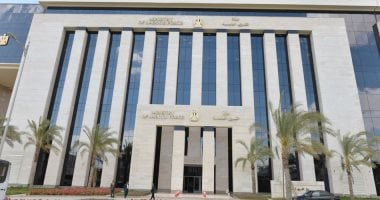
Ministry of Labor
The Ministry of Labor is a government building or department responsible for overseeing labor policies, employment rights, and workplace regulations in a given country. Its history often reflects the evolution of workers’ rights and labor movements, with many such ministries established during the industrial era to address growing concerns about fair wages and safe working conditions. Today, it plays a key role in implementing laws related to minimum wage, unemployment benefits, and labor disputes.