The implementation of a national hybrid work policy, effective since April 1, 2026, is beginning to reshape the office landscape in Indonesia. This policy is seen as a key catalyst for increasing the demand for flexible workspaces, both in the public and private sectors.
The policy is based on two government circulars issued on March 31, 2026. These regulations require State Civil Apparatus (ASN) to work from home (WFH) every Friday. Meanwhile, the private sector, state-owned enterprises (BUMN), and regional-owned enterprises (BUMD) are encouraged to adopt similar flexible work schemes without reducing workers’ rights.
The Coordinating Minister for Economic Affairs, Airlangga Hartarto, previously projected that this policy could save up to Rp6.2 trillion in the budget, primarily through reduced fuel consumption and operational energy efficiency in offices.
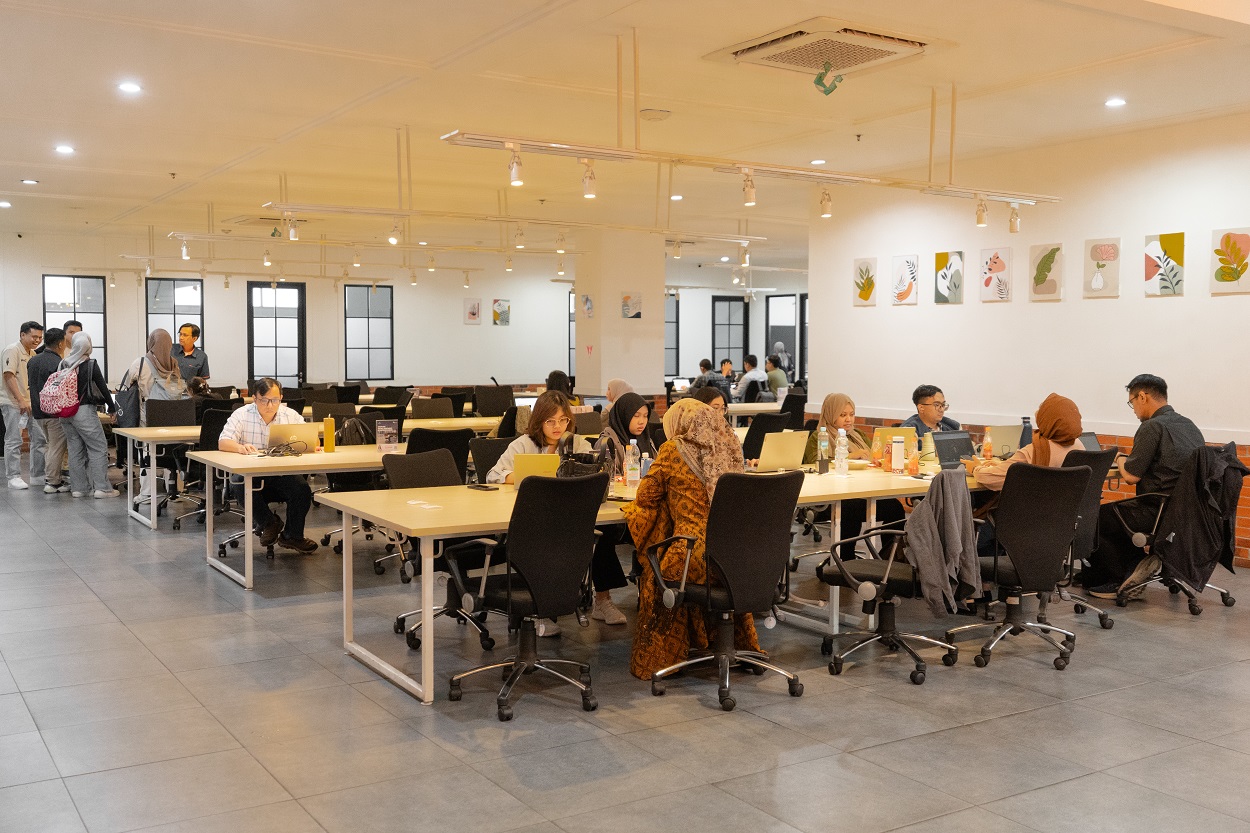
This transformation in work culture has been positively received by the co-working space industry. Pos Properti Indonesia, through its coworking space business unit Point Lab, sees a shift in workspace consumption patterns in society.
“Hybrid work creates a need for workspaces between home and the main office. This is an opportunity for coworking spaces to be a solution that maintains productivity while remaining flexible,” said the Chief Business Development & Hospitality Officer of Pos Properti Indonesia.
According to a JLL report, the trend of hybrid work adoption in Jakarta shows significant growth. This aligns with corporate efficiency strategies that are beginning to reduce reliance on large, permanent headquarters.
Point Lab has currently strengthened its position in two major cities, Jakarta and Bandung. In Jakarta, demand is dominated by corporate professional segments requiring strategic locations in the central business district (CBD). Meanwhile, in Bandung, the market is rapidly growing among creative talents and innovation-based business actors.
It was emphasized that the development of Point Lab is an adaptive response to the growing market needs. The flexible workspace model is considered capable of bridging corporate efficiency needs without sacrificing employee comfort.
“The government has provided clear direction. This hybrid WFH is a new necessity. We are here to support this transition so that productivity is maintained in an efficient and comfortable ecosystem,” it was added.
Going forward, the office landscape in Indonesia is predicted to become increasingly dynamic. Flexible workspaces are no longer just an alternative but an integral part of a sustainable work system that complements the functions of the main office and home. With government policy support and changing market behavior, Pos Properti Indonesia is optimistic that Point Lab will continue to grow as a future workspace solution in Indonesia.
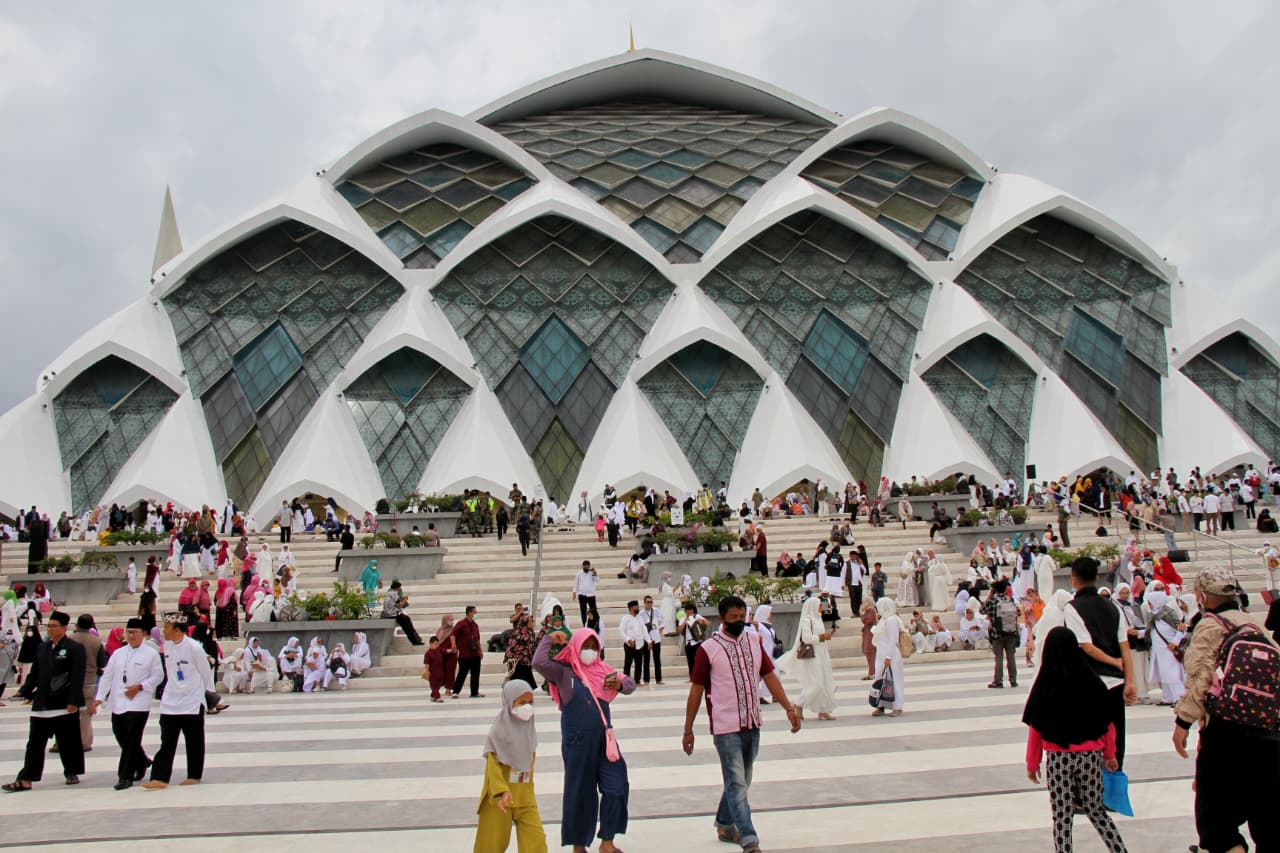
The Governor of West Java, Dedi Mulyadi (KDM), affirmed the West Java Provincial Government’s commitment to transparency and accountability regarding the allocation of a Rp22 billion budget for cleaning service procurement at the Al Jabbar Grand Mosque for the 2026 fiscal year.
This explanation follows public attention to the project’s value. According to Dedi, the budget is not just a lump sum but a detailed breakdown of the comprehensive needs for the hundreds of workers maintaining the cleanliness of the mosque, a pride of West Java residents.
“Based on the report from the Head of the West Java BPKAD, this allocation is intended for the monthly salaries of the workers, health insurance, work accident insurance, old-age benefits, and holiday allowances (THR),” said Dedi Mulyadi in Bandung.
According to data from the West Java Regional Financial and Asset Management Agency (BPKAD), this program is officially registered on the Sirup Inaproc page with RUP Code 64264570. The total budget of Rp22,091,454,575 comes from the 2026 APBD and is used to fund 273 cleaning workers.
Each worker is scheduled to receive a basic salary of Rp4.7 million per month. In addition to a decent wage, the budget includes mandatory protection components according to labor regulations.
These include Health Insurance: Rp189,507 per person/month, Old-Age Benefits: Rp175,294 per person/month, Work Accident Insurance: Rp11,370 per person/month, Death Insurance: Rp14,213 per person/month, and a THR reserve: Rp394,806 per month.
The