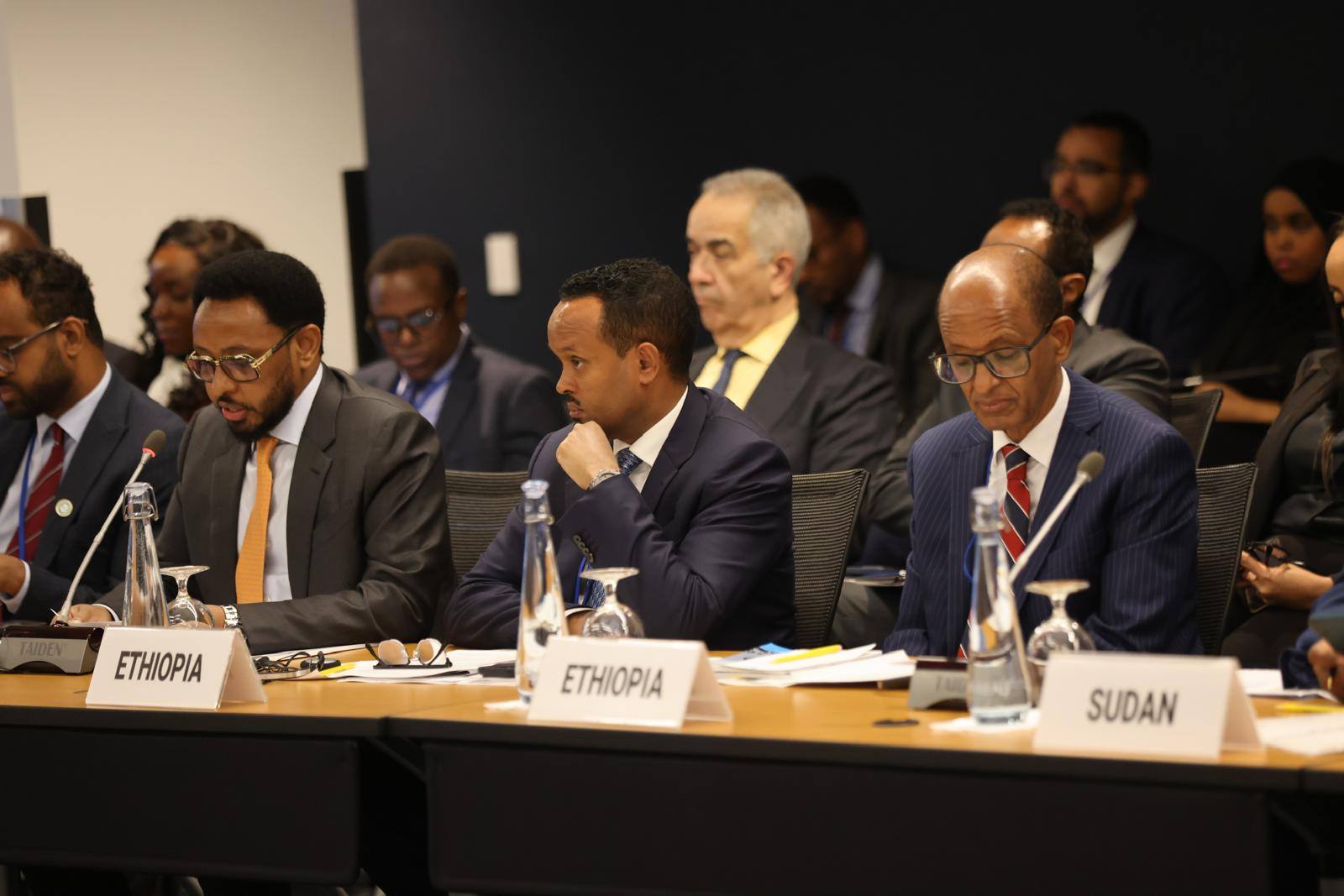
The Minister of Finance participated in the Global Sovereign Debt Roundtable, held on the sidelines of the Spring Meetings of the World Bank Group and the International Monetary Fund.
The Minister explained that Ethiopia expressed its appreciation for this platform, as it provides an opportunity to enhance a comprehensive and constructive dialogue that brings together debtor nations, bilateral creditors, private lending institutions, and international financial institutions.
During the session, the progress made by the country in debt restructuring under the G20 Common Framework was reviewed, confirming that the achieved results reflect close cooperation with development partners and the government’s firm commitment to restoring debt sustainability and achieving macroeconomic stability.
The importance of providing coordinated and timely support from all relevant parties was emphasized to ensure the effective implementation of debt treatment agreements.
Ethiopia also called for continued positive engagement from official creditors and the private sector, alongside ongoing support from international financial institutions, to enhance the momentum of reforms and support economic recovery.
It was affirmed that debt sustainability is closely linked to the comprehensive economic reform agenda, which focuses on strengthening fiscal discipline, increasing domestic resource mobilization, and driving sustainable and inclusive growth.
The government reiterated its commitment to efficient public debt management, noting the necessity of translating the gains from restructuring into enhanced economic resilience and tangible development outcomes.
The Minister concluded by emphasizing that Ethiopia’s participation in this roundtable reflects its ongoing commitment to working with international partners to address debt challenges in a coordinated and effective manner.
Global Sovereign Debt Roundtable
The Global Sovereign Debt Roundtable is a policy-focused working group. It was established to facilitate negotiations between creditor nations, debtor countries, and private lenders, addressing the growing challenges of sovereign debt distress.
World Bank Group
The World Bank Group is an international financial institution founded to help rebuild nations after World War II. Today, its primary mission is to reduce global poverty and promote sustainable development by providing loans, grants, and expertise to low- and middle-income countries.
International Monetary Fund
The International Monetary Fund (IMF) is an international financial institution established to promote global monetary cooperation and financial stability. Its primary roles are to provide policy advice and financial assistance to member countries facing economic difficulties.
G20 Common Framework
The G20 Common Framework is a financial cooperation initiative. It was established to provide a structured process for debt treatments for low-income countries facing unsustainable debt burdens.
Global Sovereign Debt Roundtable
The Global Sovereign Debt Roundtable is not a physical place or cultural site, but a major international policy forum. It was established to address the growing crisis of unsustainable debt in developing countries, aiming to improve coordination between creditor nations, debtor nations, and private lenders to facilitate faster and more orderly debt restructurings.
World Bank Group
The World Bank Group is an international financial institution founded to help rebuild nations after World War II. Today, its primary mission is to reduce global poverty
Global Sovereign Debt Roundtable
The Global Sovereign Debt Roundtable is not a physical place or cultural site, but a policy-focused discussion forum. It was established in 2023 by the International Monetary Fund, World Bank, and G20 presidency to improve the process for restructuring sovereign debt for distressed low- and middle-income countries. Its history is rooted in ongoing efforts to address debt vulnerabilities that intensified following recent global economic crises.
World Bank Group
The World Bank Group is an international financial institution founded in 1944 at the Bretton Woods Conference to help rebuild nations after World War II. Today, its primary mission is to reduce global poverty and promote sustainable development by providing loans, grants, and expertise to developing countries. It consists of five cooperative organizations, including the International Bank for Reconstruction and Development (IBRD) and the International Development Association (IDA).
International Monetary Fund
The International Monetary Fund (IMF) is a major international financial institution established in 1944 at the Bretton Woods Conference to foster global monetary cooperation and financial stability. Headquartered in Washington, D.C., its primary roles are to provide policy advice, financial assistance to member countries in economic difficulty, and promote sustainable economic growth worldwide.
G20 Common Framework
The G20 Common Framework is not a physical place or cultural site, but a financial and political agreement. It was established in November 2020 by the G20, in cooperation with the Paris Club, to coordinate debt restructuring for low-income countries facing unsustainable debt burdens during the COVID-19 pandemic. Its purpose is to facilitate timely and orderly debt treatments to help these economies achieve stability and sustainable growth.