Huaxi Village in Shizhu, Chongqing, Distributes Dividends for Eighth Consecutive Year, Benefiting Villagers with Millions in Profits.
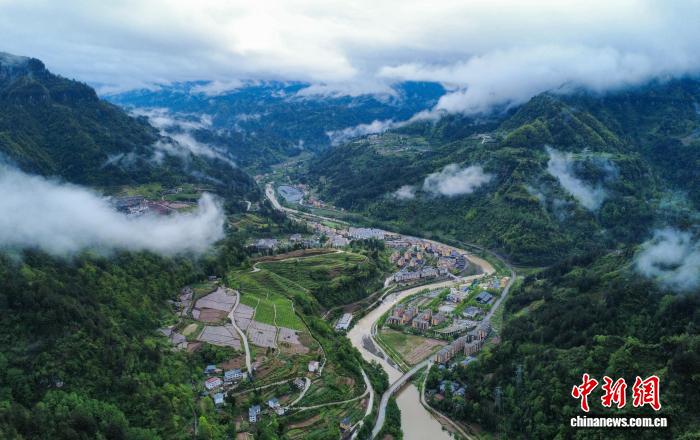
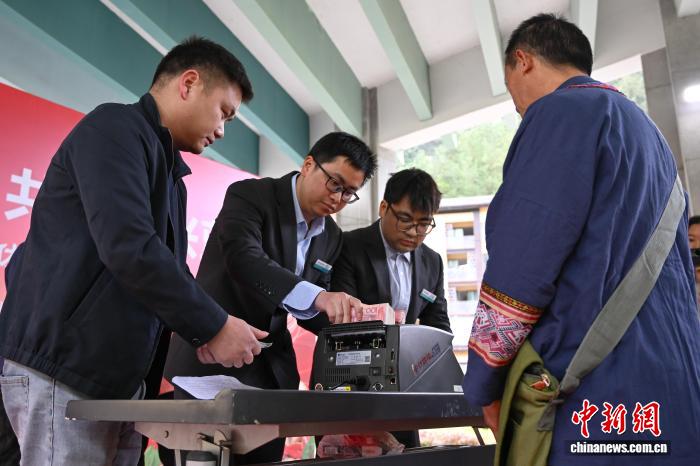
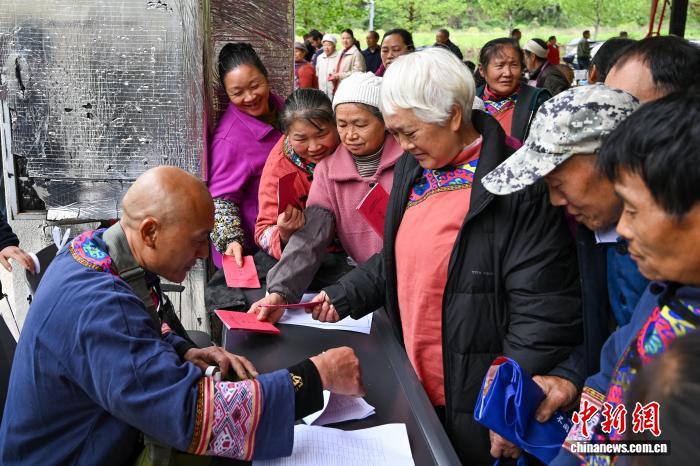
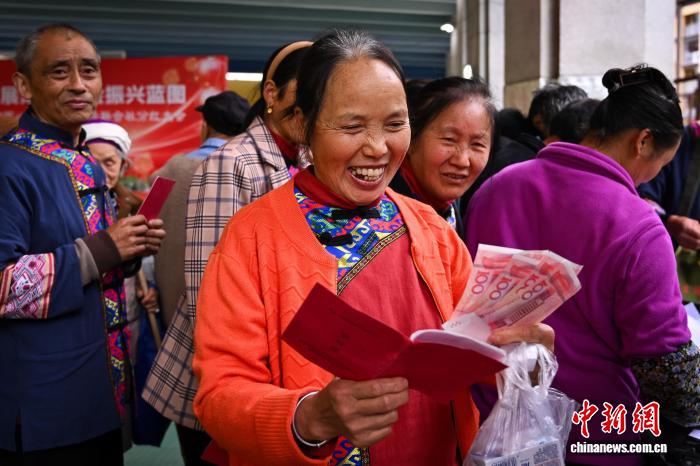
An aerial view shows Huaxi Village in Shizhu, Chongqing, nestled among lush green mountains and shrouded in mist. The village held its eighth collective economic cooperative dividend distribution event, with 1,259 members of the village collective economic organization gathering to share over 160,000 yuan in dividends. Since the first distribution in 2019, Huaxi Village has distributed collective economic dividends for eight consecutive years, with the cumulative amount exceeding one million yuan. Once a deeply impoverished village, it has now become a model for rural revitalization. The village has developed from relying on single traditional crops to fostering four pillar industries: Polygonatum sibiricum (Solomon’s seal), papaya, crisp peaches, and Chinese honeybee farming. The collective economy continues to grow, allowing villagers to tangibly share in the fruits of rural development.
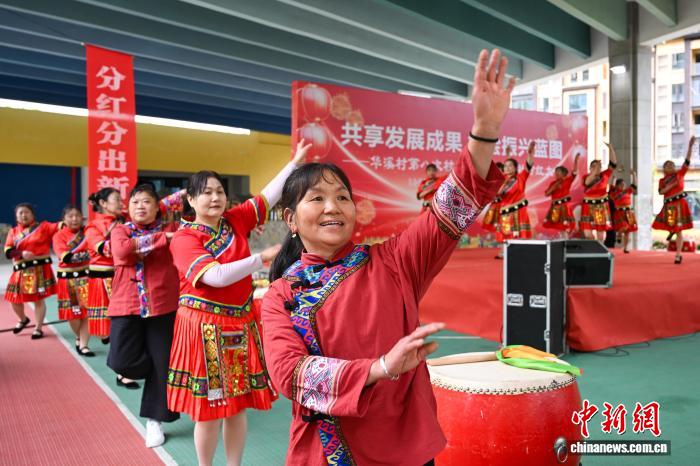
During the cultural performance segment of the dividend distribution event, local residents perform the Tujia Hand-Waving Dance together.
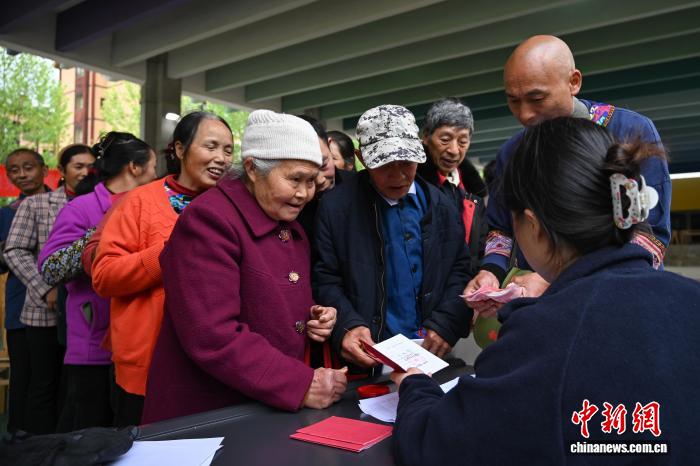
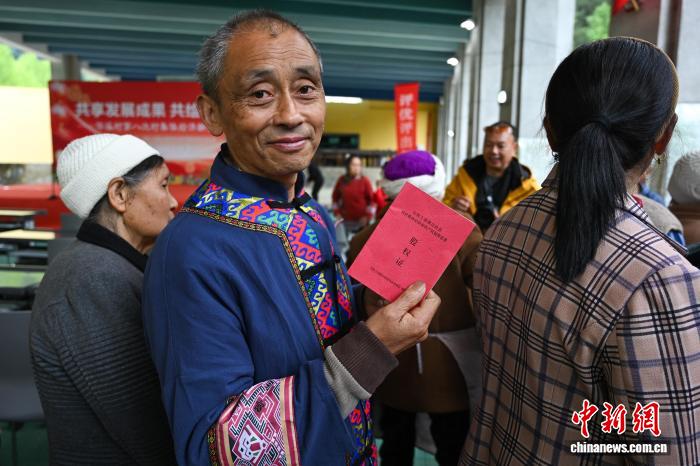
At the dividend distribution site, villagers line up with their “equity certificates” to receive their share.
Huaxi Village
Huaxi Village, located in Jiangsu province, is often called the “richest village in China.” It was transformed from a poor farming community into a collective economic model under the leadership of Wu Renbao starting in the 1960s, focusing on industrial development. Today, it is known for its modern skyscrapers, high standard of living, and as a symbol of rural industrialization and prosperity in contemporary China.
Shizhu
Shizhu, officially known as Shizhu Tujia Autonomous County, is a county located in Chongqing Municipality, China. Historically, it has been a significant area for the Tujia ethnic minority, with a rich cultural heritage that includes traditional stilted architecture, hand-waving dance, and brocade weaving. The region’s history is deeply tied to the ancient Ba culture and it played a role in historical salt transportation routes.
Chongqing
Chongqing is a major city in southwestern China, historically serving as the wartime capital during the Second Sino-Japanese War (1937-1945). Today, it is a sprawling megacity and a key economic hub, renowned for its dramatic mountainous setting at the confluence of the Yangtze and Jialing Rivers, its spicy Sichuan cuisine, and its role as a gateway to the Three Gorges region.
Tujia Hand-Waving Dance
The Tujia Hand-Waving Dance is a traditional ritual and folk dance of the Tujia ethnic group in China, primarily from Hunan and Hubei provinces. Historically performed as a sacrificial ceremony to ancestors and gods, it dates back over 2,500 years and embodies prayers for good harvests and safety. Today, it is a vibrant cultural expression featuring synchronized, swaying hand and arm movements, often performed during festivals.