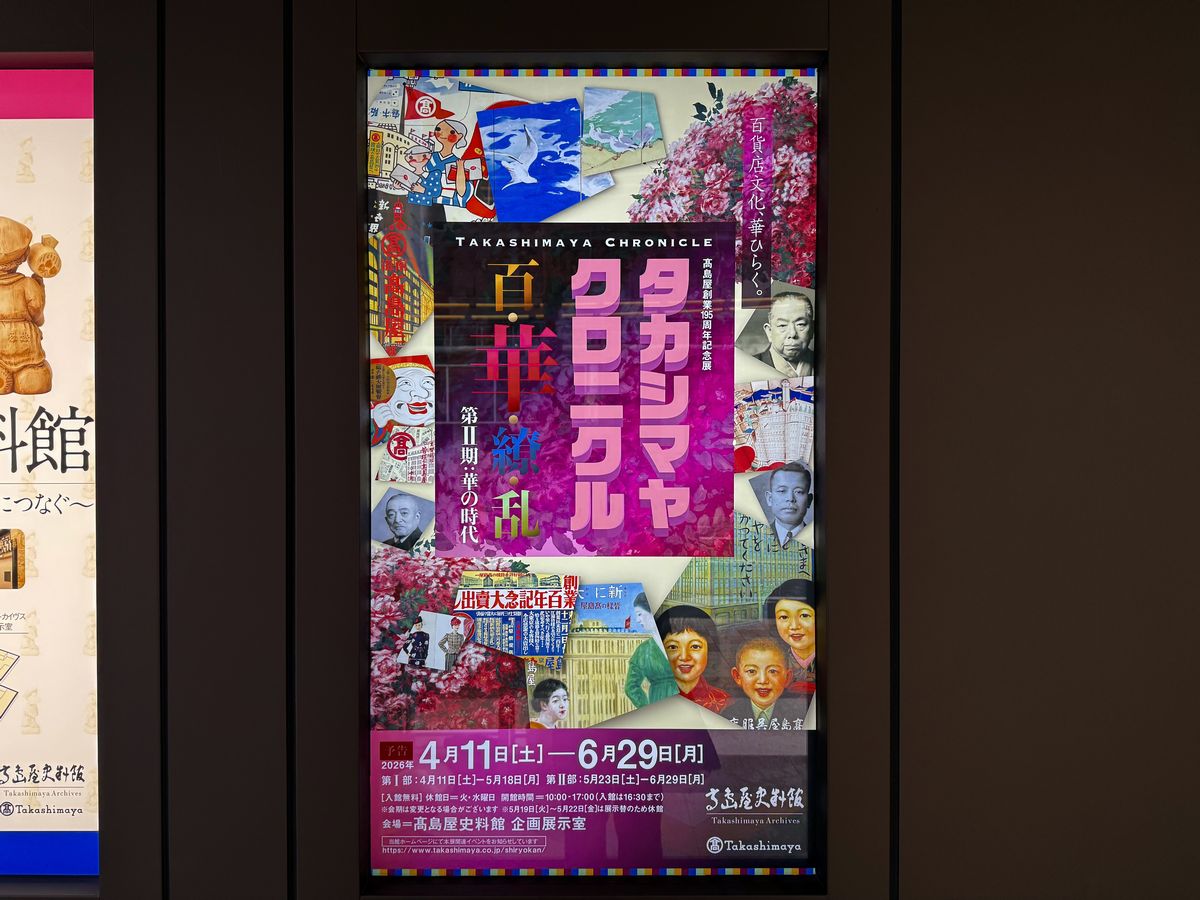
Free admission! The Takashimaya Historical Museum is holding the Takashimaya 195th Anniversary Exhibition “Takashimaya Chronicle: Hundred, Flower, Entwined, Blossom” Phase II: The Flower Era, until June 29.
From Saturday, April 11 to Monday, June 29, 2026, the Takashimaya Historical Museum in Nipponbashi 3-chome, Naniwa Ward, Osaka City, is hosting the Takashimaya 195th Anniversary Exhibition “Takashimaya Chronicle: Hundred, Flower, Entwined, Chaos” Phase II: The Flower Era. We had the opportunity to attend a press preview and were granted special permission to take photographs!
The exhibition covers the period from the Taisho era to the pre-war Showa era, when Takashimaya, which began as a kimono fabric merchant, blossomed into a department store culture.
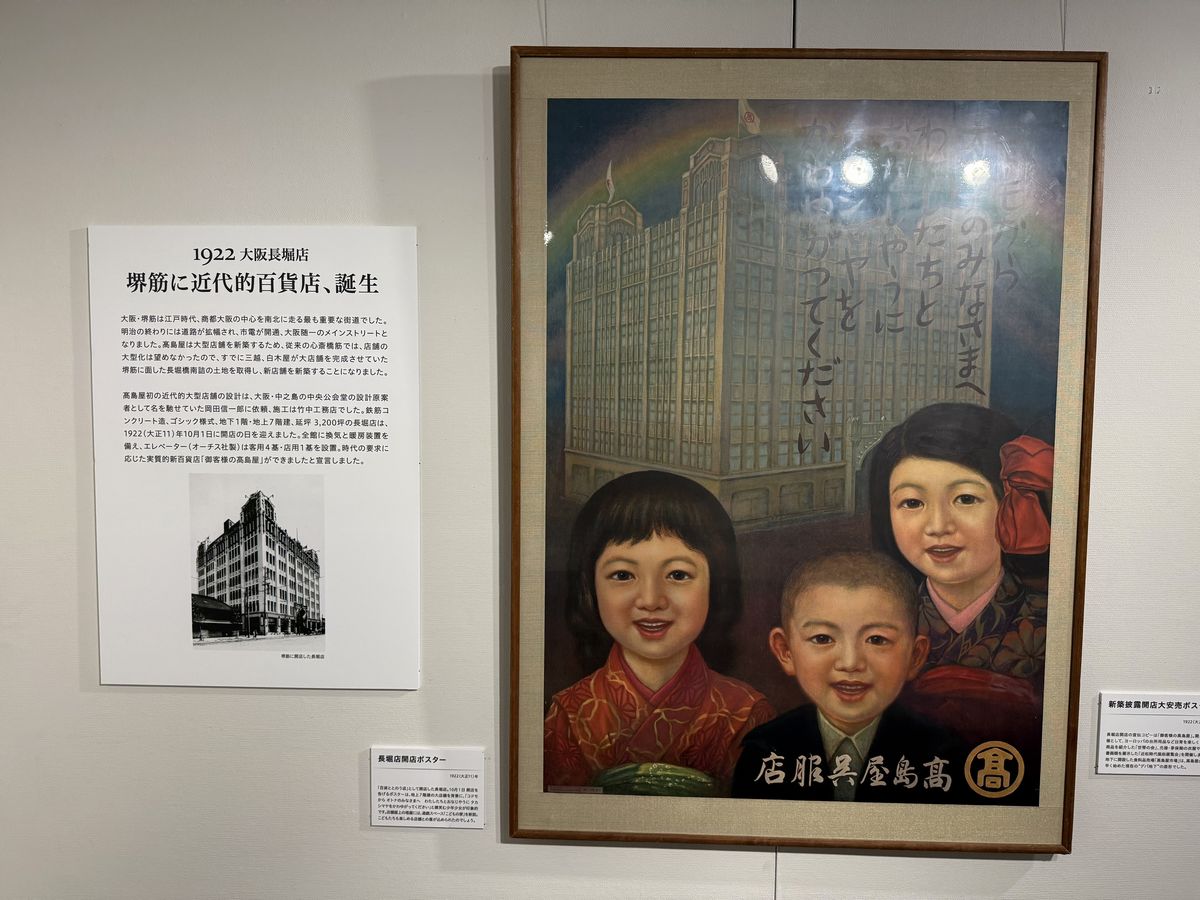
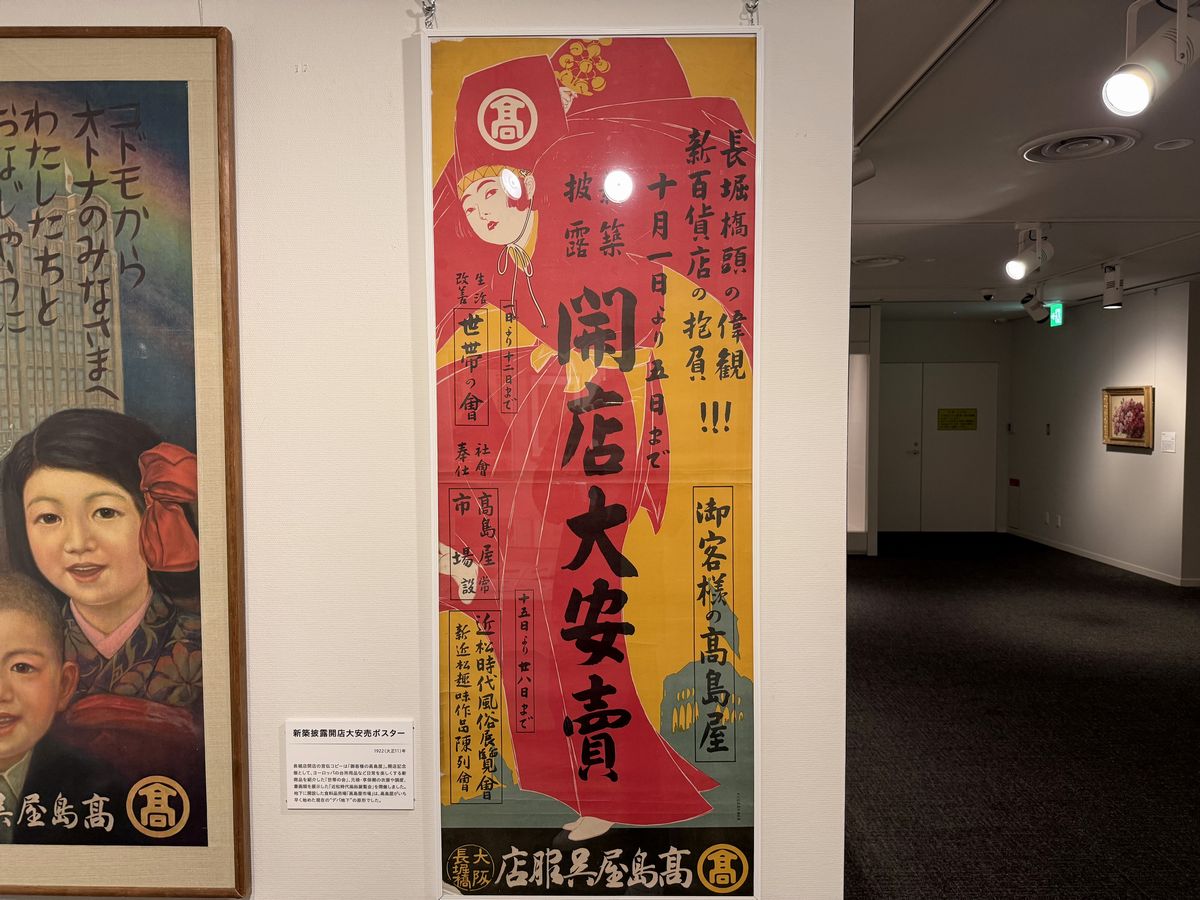
This is the opening poster for the Takashimaya Nagahori store, which opened in 1922.This is a poster for the Grand Opening Sale held to commemorate the opening of the Takashimaya Nagahori store.
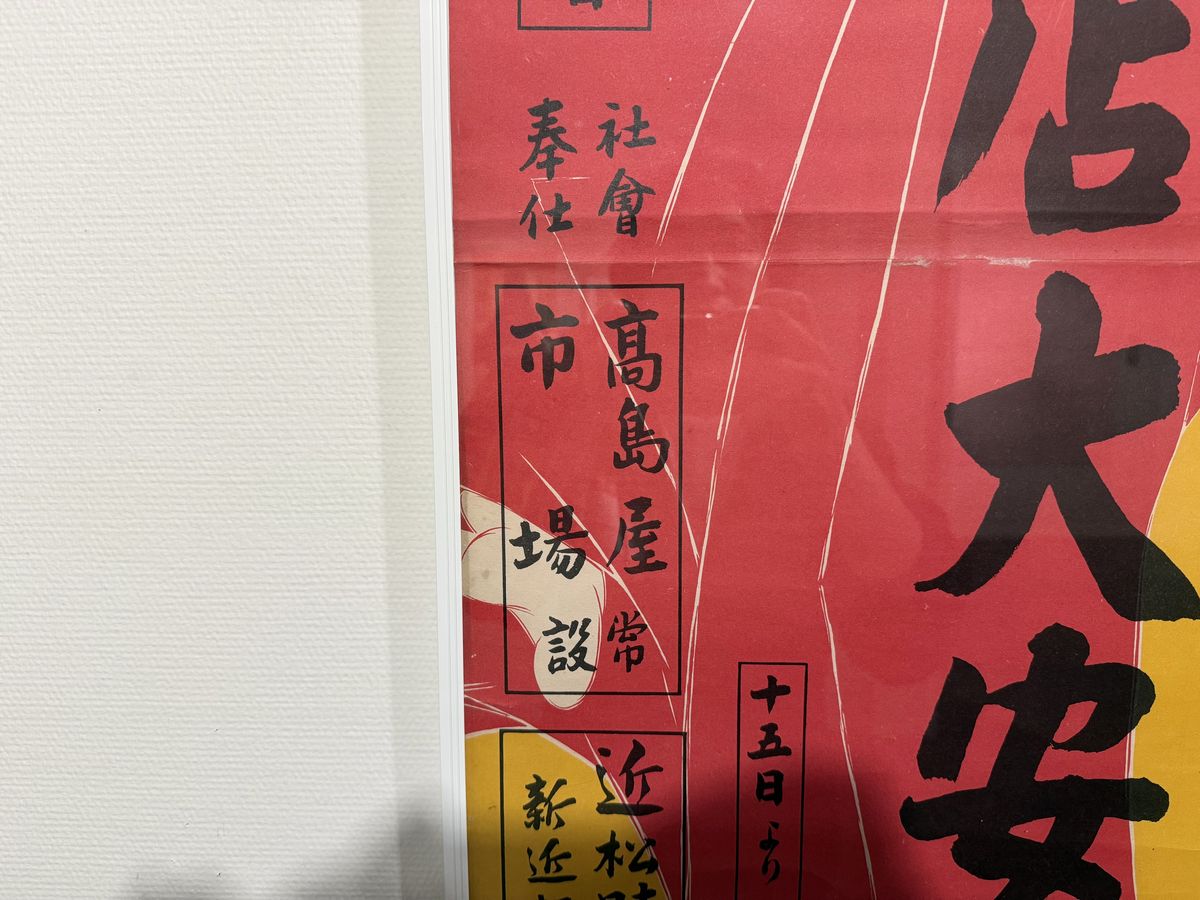
According to explanations provided, the “Takashimaya Market” written on the poster refers to a food section opened in the basement, which became the prototype for today’s “depachika” (department store basement food halls)!
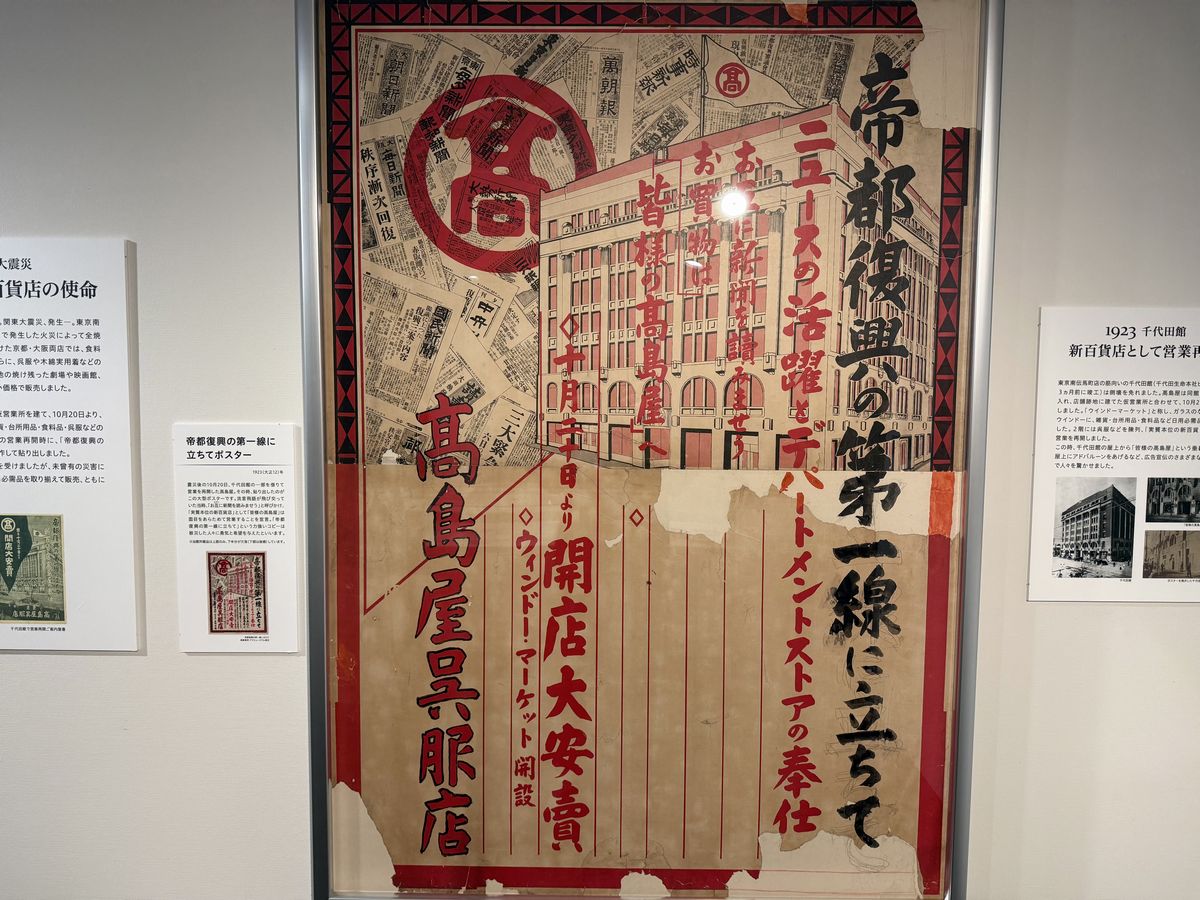
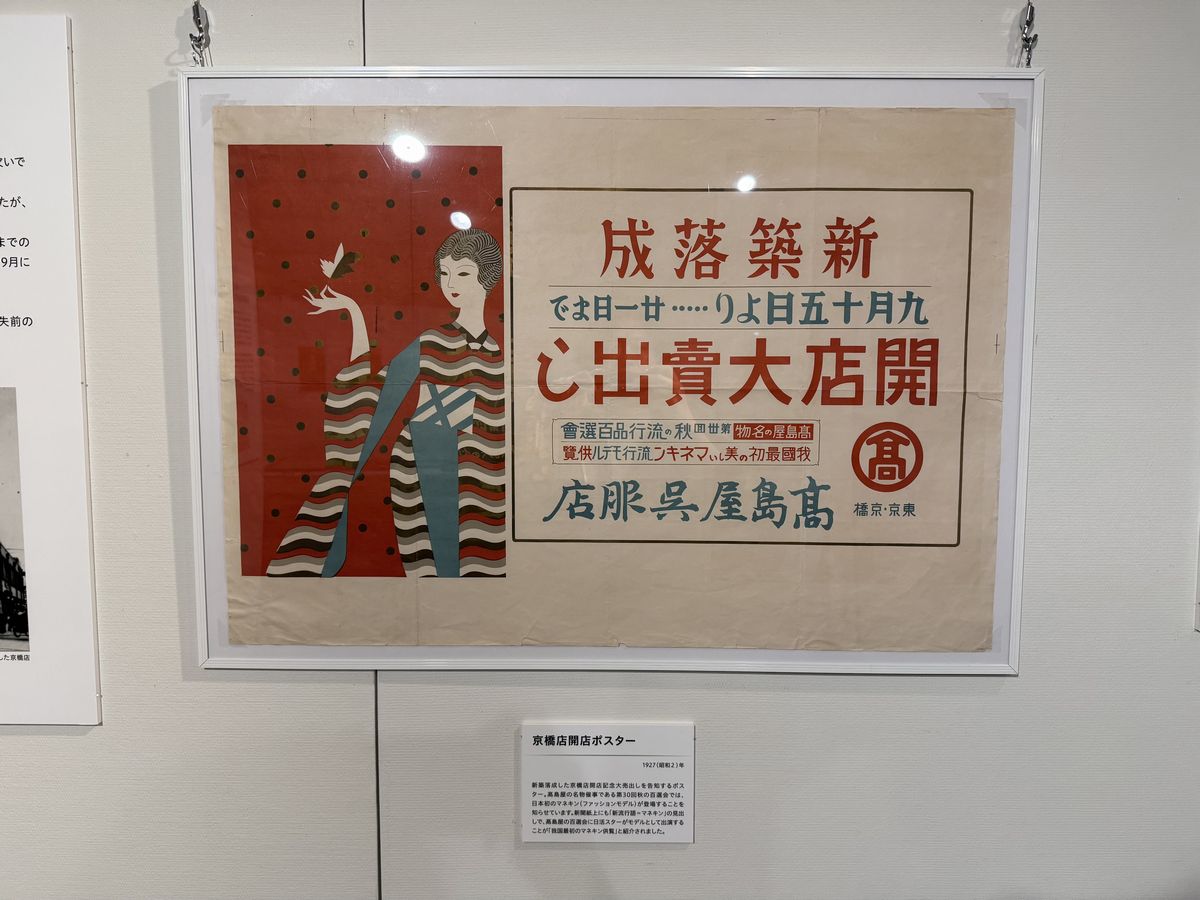
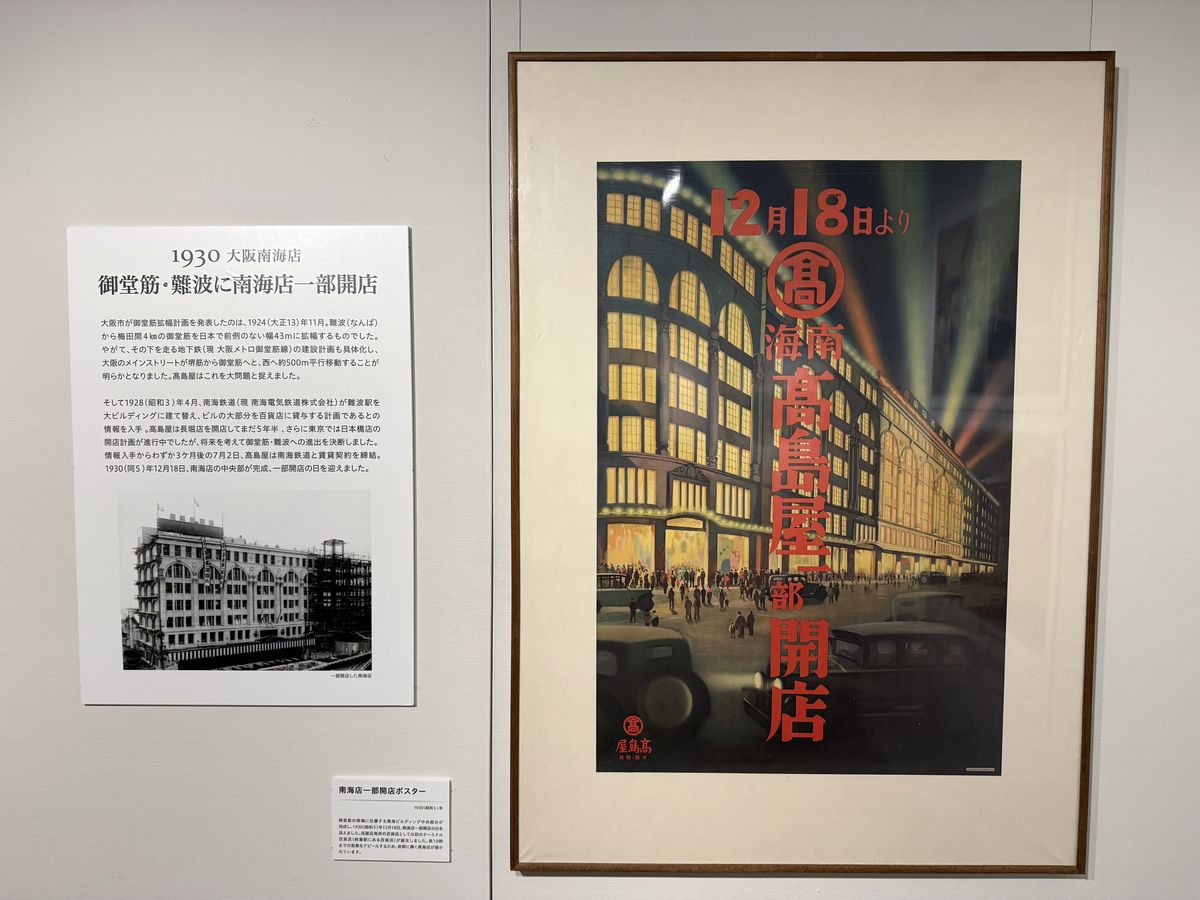
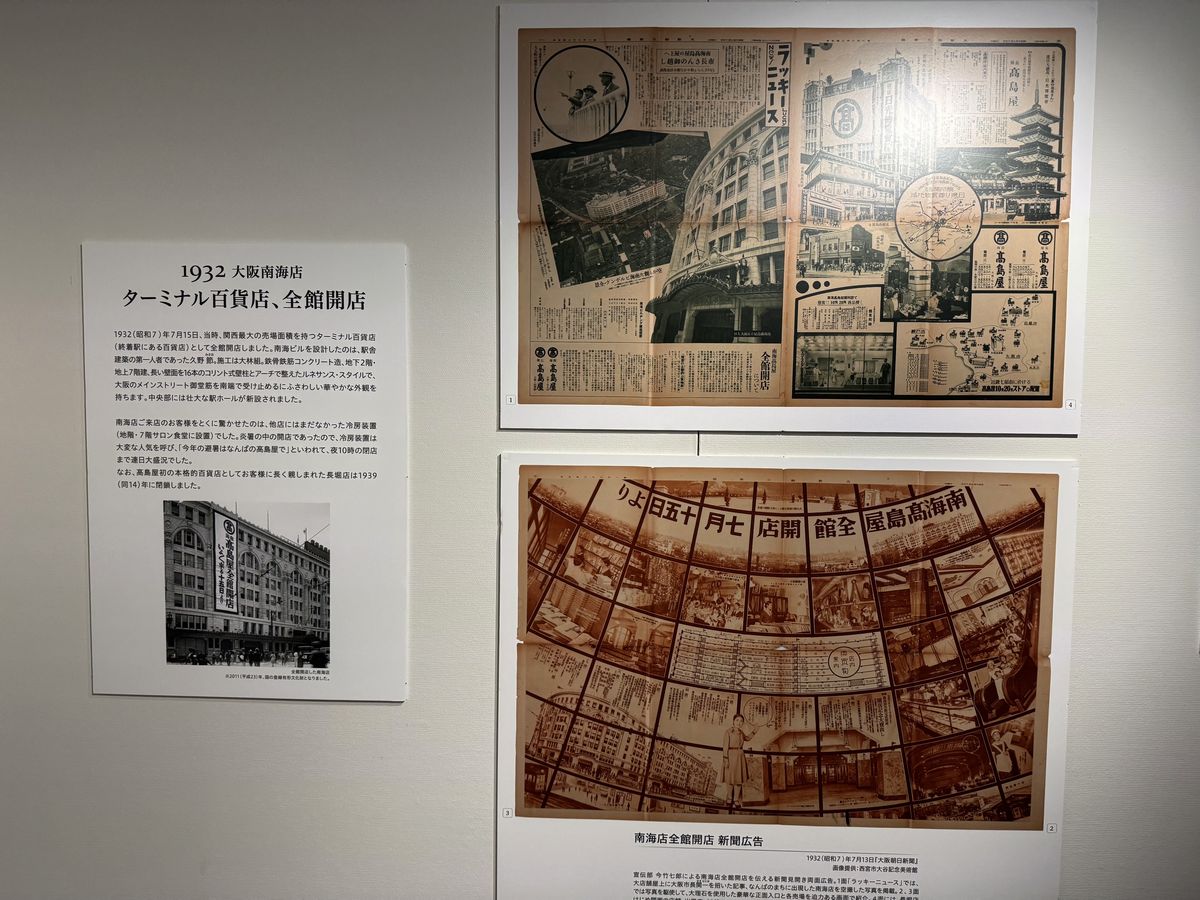
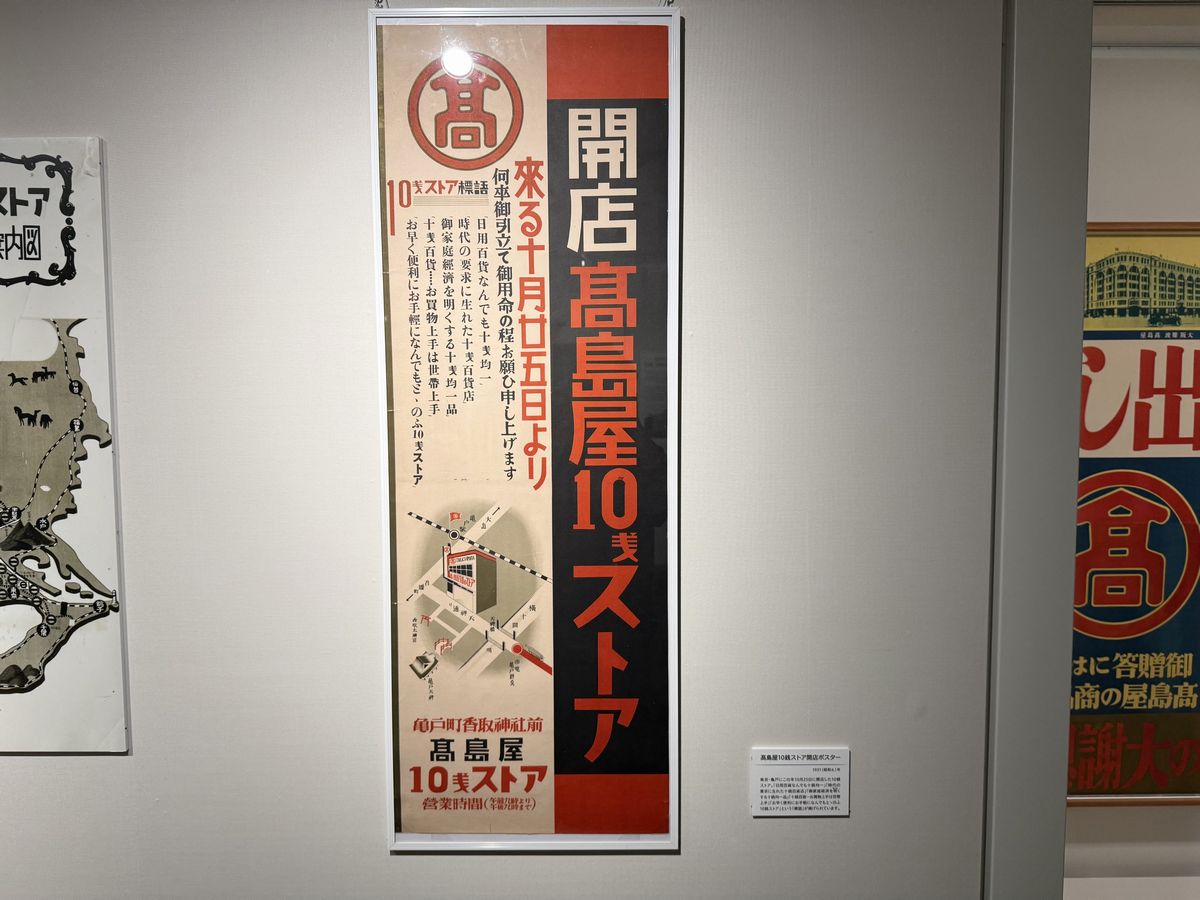
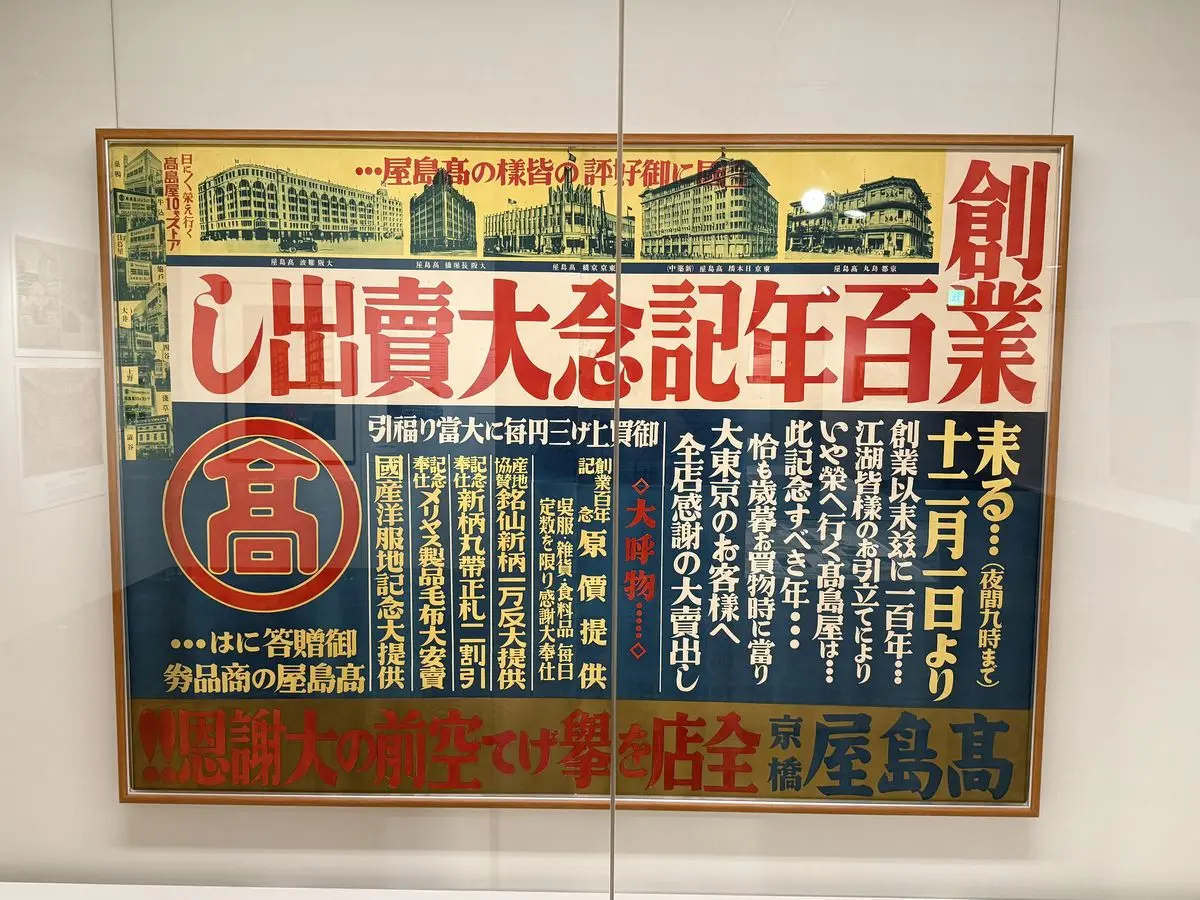
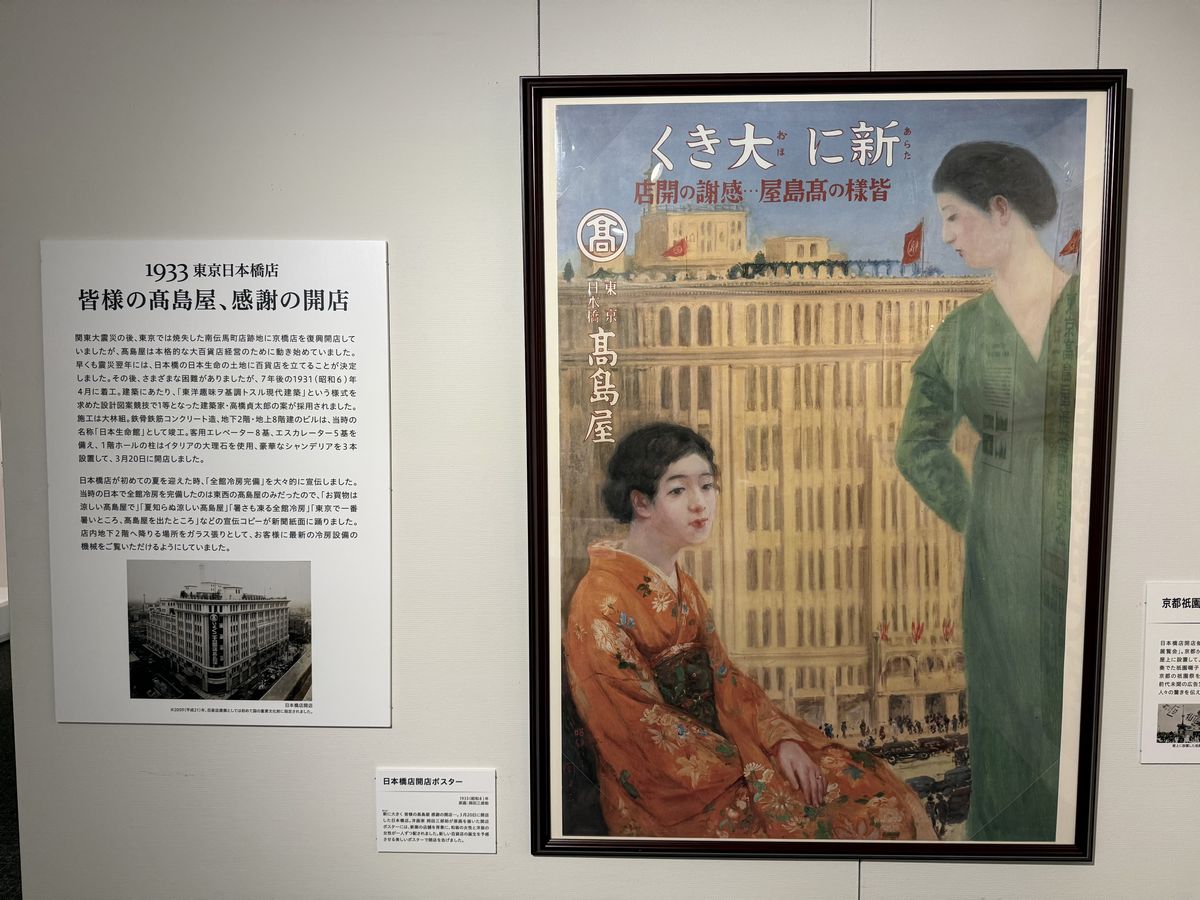
This is a poster from when business resumed after the Great Kanto Earthquake of 1923, using the borrowed Chiyodakan hall in Chiyoda Ward.This poster announces the Grand Opening Sale for the newly completed Takashimaya Kyobashi store. According to explanations, the “mannequin” written on the poster referred to fashion models at the time.This is a poster for the Takashimaya Nankai store, which partially opened in 1930. It is explained that the night scene was drawn to appeal to customers with its business hours extending until 10 PM.This is a newspaper advertisement from when the Takashimaya Nankai store opened its entire building.This is a poster from the opening of the Takashimaya 10-Sen Store (Ten-Sen Store) in 1931.This is a poster for the Centennial Anniversary Grand Sale held in 1931, marking 100 years since the company’s founding in 1831.This is a poster for the Takashimaya Nipponbashi store, which opened in
Takashimaya Historical Museum
The Takashimaya Historical Museum, located in Osaka, Japan, is a corporate museum operated by the Takashimaya department store chain. It chronicles the company’s history since its founding in 1831 as a kimono retailer, showcasing its evolution into a major modern retailer through historical documents, advertising, and merchandise. The museum offers insight into both the commercial history of Japan and the development of Japanese consumer culture.
Nipponbashi
Nipponbashi, often called “Den Den Town,” is Osaka’s famous electronics and otaku culture district. Its history dates to the early 20th century as a hub for bicycle and later radio parts, evolving post-WWII into a leading marketplace for consumer electronics, anime, manga, and video games. Today, it is a vibrant commercial and subcultural center, often compared to Tokyo’s Akihabara.
Naniwa Ward
Naniwa Ward is one of Osaka’s 24 wards, located in the city’s southern central area. Historically, the name “Naniwa” is ancient, referring to one of Japan’s early capitals and a vital port and political center in the 4th-7th centuries, though the modern administrative ward was established in 1925. Today, it is a bustling commercial and residential district known for major transit hubs like Namba Station and the vibrant entertainment area of Minami.
Osaka City
Osaka City is a major port and commercial hub in western Japan, historically known as the nation’s merchant capital during the Edo period (1603-1868). Its origins date back over 1,400 years, serving as an early imperial capital and later flourishing around Osaka Castle, built in the late 16th century. Today, it is renowned for its modern architecture, vibrant street food culture, and districts like Dotonbori.
Takashimaya Nagahori store
The Takashimaya Nagahori store is a major department store in Osaka, Japan, located in the Shinsaibashi shopping district. It opened in 2010 as part of the “Nagahori” redevelopment project, becoming the flagship location of the Takashimaya chain in the Kansai region. The store is known for its high-end fashion, gourmet food hall, and direct underground access to the Nagahoribashi subway station.
Chiyodakan hall
Chiyodakan is a historic Japanese inn (ryokan) located in the hot spring town of Kinosaki Onsen, Hyogo Prefecture. Built in 1885 during the Meiji period, it is a designated Tangible Cultural Property of Japan, renowned for its well-preserved traditional wooden architecture and classic garden. It offers visitors a chance to experience the atmosphere of a classic onsen ryokan from over a century ago.
Takashimaya Kyobashi store
The Takashimaya Kyobashi store, opened in 1933, is the flagship and founding location of the renowned Japanese department store chain. It was originally established in Kyoto in 1831 as a kimono retailer, with the Tokyo Kyobashi branch built to be a landmark of modern commerce and Western-style architecture in the capital. Today, it remains a prestigious shopping destination, symbolizing the evolution of Japanese retail from traditional goods to a comprehensive luxury experience.
Takashimaya Nankai store
The Takashimaya Nankai store is a major department store located in the Namba district of Osaka, Japan, directly connected to Nankai Railway’s Namba Station. It opened in 1949 as part of the post-war redevelopment of the area, becoming a cornerstone of Namba’s commercial and cultural life. Today, it is known for its high-end retail, gourmet food halls, and its role as a bustling urban hub for both locals and visitors.