-
5 Dangerous Beaches of India: India is world-famous for its beautiful sea beaches. Millions of tourists from countries including Israel, Russia, and Britain visit these shores every year. Additionally, a large number of people from the country’s interior regions also arrive to enjoy these beaches. This provides employment to a great many people. At the same time, we must also remember that while India’s beaches are famous, not every beach is safe.
India’s 5 Dangerous Sea Beaches
There are also some sea beaches where going can be like risking your life. Dangerous ocean currents flow at these locations, and unpredictable waves rise. There can also be a danger from poisonous creatures. This can pose a serious threat to tourists. Today we tell you about 5 of India’s most dangerous sea beaches, where you should reconsider your plans before visiting.
Honeymoon Beach, Andaman and Nicobar Islands
The first place on the list of India’s dangerous sea beaches is considered to be Honeymoon Beach in the Andaman and Nicobar Islands. This place looks very beautiful. But behind this beauty, great dangers are also hidden. The ocean’s strong currents and marine life can create danger at any time. Sudden changing waves and deep water can make swimming there risky. Safety arrangements there are not adequate, so bathing there can be dangerous.
Gokarna Beach, Karnataka
The second place on the list of the country’s dangerous sea beaches is said to be Gokarna Beach in Karnataka. This beach is known for its peaceful atmosphere. However, the strong underwater currents there are extremely dangerous. Many times, even experienced swimmers get caught in these currents. Because of this, drowning incidents involving them come to light.
Puri Beach, Odisha
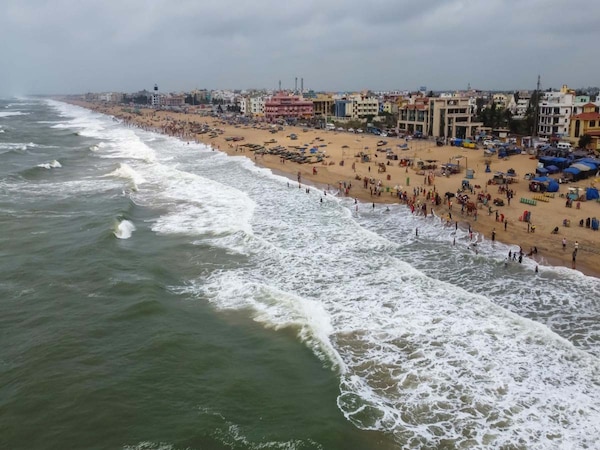
The third dangerous sea beach on this list is Puri Beach in Odisha. This is a religiously significant place, where millions of people arrive every year for pilgrimage. However, the high and strong waves there can prove fatal. During the monsoon season, the sea becomes even more turbulent there, which increases the risk of accidents. Many times, despite warnings, people become careless and have to suffer the consequences.
Juhu Beach, Mumbai
The fourth place on the list of the country’s dangerous sea beaches is Juhu Beach in Mumbai. This is one of India’s most popular beaches. However, there too, the depth increases suddenly just a short distance out, which can cause a person to drown. Along with this, strong waves constantly move there, which can pull swimmers under. There is also a lot of crowding there, which, due to carelessness, keeps the possibility of accidents alive.
Chowpatty Beach, Mumbai
Mumbai’s Chowpatty Beach is fifth on this list. This beach may look attractive, but a great deal of pollution is seen there. The sea water there is so polluted that bathing in it can be dangerous for health. Complaints of skin diseases and infections from bathing in the water there have come to light from many people.
Honeymoon Beach
Honeymoon Beach is a popular, picturesque cove on Water Island in the U.S. Virgin Islands, known for its calm turquoise waters and white sand. Historically, the area was part of a larger coconut plantation, and the beach gained its romantic name in the mid-20th century as it became a favored destination for couples. Today, it is a protected part of the Virgin Islands National Park, accessible by a short ferry ride or hike, and is celebrated for its serene, natural beauty.Andaman and Nicobar Islands
The Andaman and Nicobar Islands are a remote archipelago in the Bay of Bengal, known for their indigenous tribes, pristine rainforests, and coral reefs. Historically, the islands were used as a British penal colony in the 19th century, most infamously at Cellular Jail in Port Blair. Today, they are a Union Territory of India and a significant destination for ecotourism and historical remembrance.Gokarna Beach
Gokarna Beach is a scenic coastal town in Karnataka, India, revered as a major Hindu pilgrimage site. Its history is tied to the legend that Lord Shiva emerged here from the ear of a cow (“Go-karna”), making it home to ancient temples like the Mahabaleshwar Temple. Today, it is also popular among travelers for its serene beaches and relaxed atmosphere.Karnataka
Karnataka is a state in southwestern India with a rich history dating back to ancient empires like the Vijayanagara and the Chalukyas. It is renowned for its diverse cultural heritage, including UNESCO World Heritage Sites such as the ruins of Hampi and the temples of Pattadakal. The state is also a major modern hub for technology and traditional arts, notably classical Carnatic music and Yakshagana dance drama.Puri Beach
Puri Beach is a popular coastal destination in Odisha, India, renowned for its golden sands and religious significance as it lies adjacent to the sacred Jagannath Temple. Historically, the beach has been part of the spiritual landscape for centuries, with pilgrims traditionally cleansing themselves in its waters after visiting the temple. Today, it remains a vibrant hub for both religious observance and tourism, famous for its annual Puri Beach Festival.Odisha
Odisha, located on India’s eastern coast, is renowned for its ancient Hindu temples, tribal heritage, and classical Odissi dance. Its history is deeply tied to the powerful Kalinga Empire, with the Kalinga War (261 BCE) being a pivotal event that led Emperor Ashoka to embrace Buddhism and peace. The state’s cultural legacy is magnificently preserved in sites like the 13th-century Sun Temple at Konark and the 11th-century Jagannath Temple in Puri.Juhu Beach
Juhu Beach is a popular public beach located in Mumbai, India, known for its vibrant atmosphere, street food, and sunset views. Historically, it was a quiet creek area before land reclamation projects in the early 20th century integrated it into the city, transforming it into a major recreational hub. Today, it is also famous for its proximity to the residences of many Bollywood celebrities.Chowpatty Beach
Chowpatty Beach is a popular public beach along Mumbai’s Marine Drive, known for its vibrant atmosphere and street food stalls. Historically, it has been a significant gathering place for festivals, most notably the annual Ganesh Chaturthi celebrations where idols are immersed in the Arabian Sea. The beach’s history is intertwined with Mumbai’s social and cultural life, serving as a recreational hub since the late 19th century.