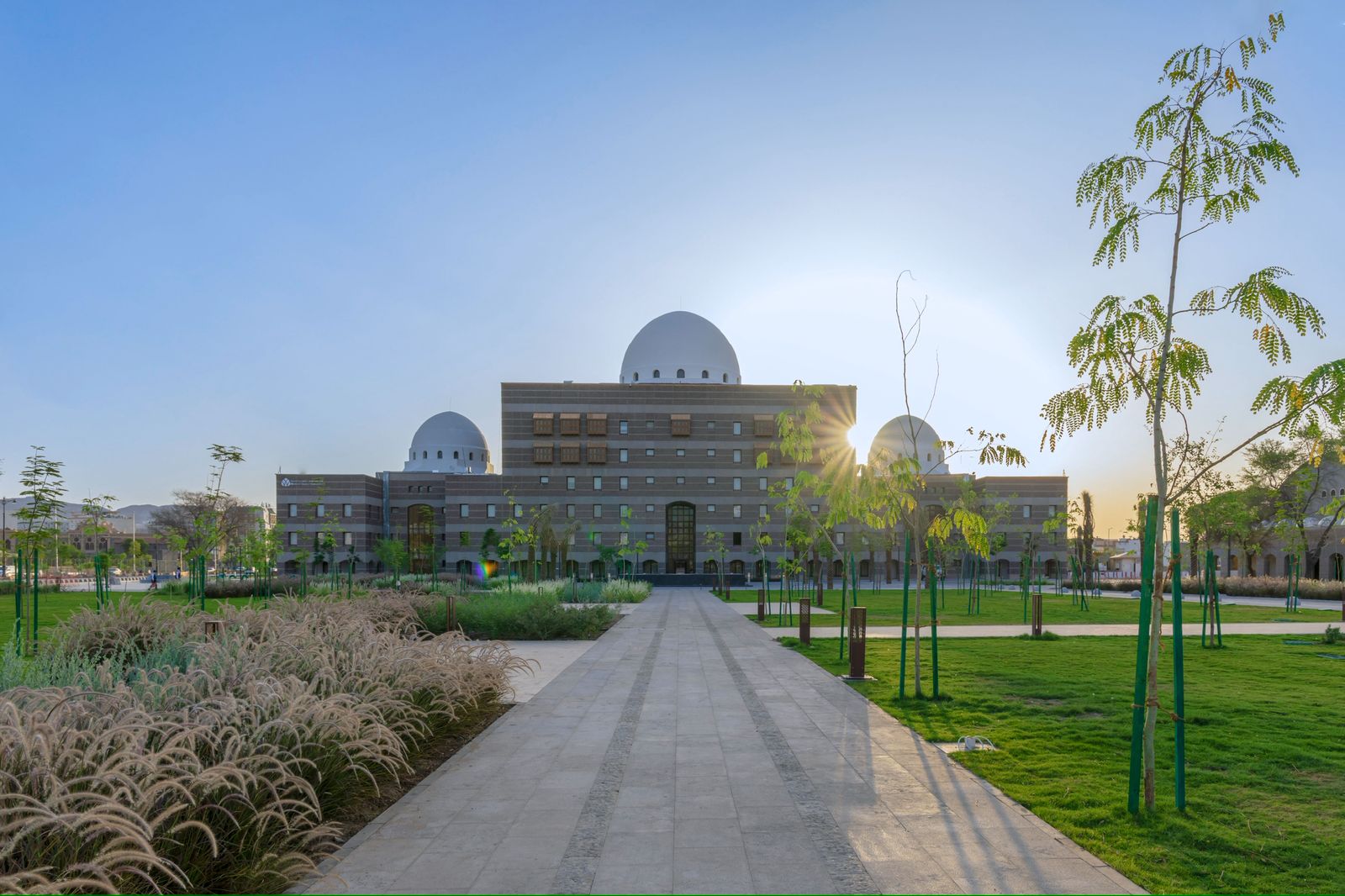
The Medina Region Municipality has launched two investment opportunities for the establishment, operation, and maintenance of a social-cultural sports club and a factory for concrete blocks and cement products. This initiative is part of its efforts to support vital sectors and promote investment in Medina. The first opportunity involves the establishment, operation, and maintenance of a social-cultural sports club in the Al-Nubala district at the intersection of Ali bin Abdullah Al-Omari Road and Sarij bin Younis Road. The project will cover an area exceeding 16,596 square meters, with a contract duration of up to 25 years and a grace period of 30 months. The project aims to provide integrated sports facilities alongside diverse social and cultural spaces and activities, contributing to the revitalization of investment in the sports sector and enhancing community interaction, thereby supporting the improvement of quality of life. The second opportunity involves the establishment, operation, and maintenance of a factory for concrete blocks, concrete, and cement products in the Sad Al-Ghaba district. The factory will be built on an area exceeding 28,229.36 square meters, with a contract duration of up to 25 years and a grace period of 24 months. This project aims to meet the growing demand for high-quality construction materials, support the path of urban development, and enhance competitiveness and production sustainability. The Municipality emphasized that launching these opportunities is part of its strategy for developing local investment and supporting diverse economic sectors, contributing to achieving sustainable development and promoting economic growth in the region.
Medina Region Municipality
The **Medina Region Municipality** is the administrative body overseeing the Medina Region in western Saudi Arabia, which includes the city of Medina—Islam’s second holiest city. Its history is profoundly linked to the Hijrah (migration) of the Prophet Muhammad in 622 CE, which established Medina as the capital of the first Islamic state. Today, the municipality manages services and development for this historically and religiously significant area, which centers on the Prophet’s Mosque.
Al-Nubala district
The Al-Nubala district is a historic neighborhood in the city of Homs, Syria, traditionally known as a residential area for the city’s notable families and scholars (the “Nubala” meaning “nobles” or “notables”). Its history is deeply intertwined with Homs’ Ottoman and earlier Islamic periods, featuring characteristic old houses with ornate interior courtyards. The district suffered significant damage during the Syrian civil war, impacting its architectural heritage and community.
Ali bin Abdullah Al-Omari Road
Ali bin Abdullah Al-Omari Road is a major thoroughfare in Doha, Qatar, named in honor of a prominent Qatari businessman and philanthropist from the influential Al-Omari family. While the road itself is a modern development reflecting Doha’s rapid urban growth, its namesake is part of a family with a long history of contributing to Qatar’s commercial and social development since the early 20th century.
Sarij bin Younis Road
Sarij bin Younis Road is a major thoroughfare in the city of Sharjah, United Arab Emirates. It is named in honor of Sarij bin Younis, a prominent local pearl merchant and philanthropist from the early 20th century who was known for his significant contributions to the community’s development. Today, the road serves as a key commercial and transportation artery, reflecting Sharjah’s growth from its pearling past into a modern urban center.
Sad Al-Ghaba district
The Sad Al-Ghaba district is a historic neighborhood located in the city of Medina, Saudi Arabia. It is traditionally known as the site where the Prophet Muhammad and his companions sought shelter and prayed under a large tree during their journey back from the Battle of Uhud. Today, the area is marked by a mosque and serves as a reminder of this important event in early Islamic history.