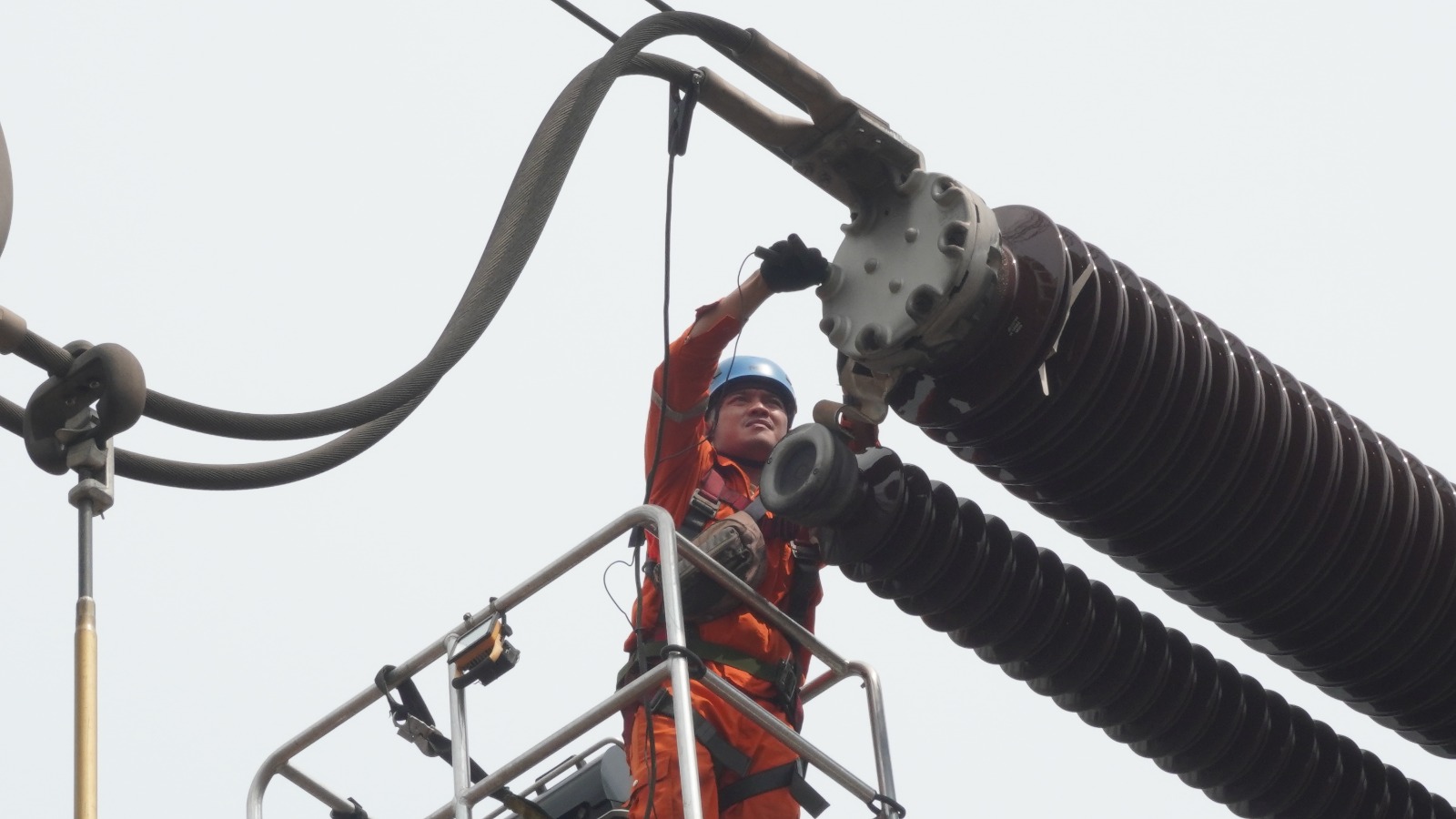
PT PLN (Persero) Central Java Transmission Main Unit (UIT JBT) through the Bekasi Transmission Implementation Unit (UPT) has successfully completed the biennial routine maintenance on the BAY 7A2 DIA#2 500 kV equipment at the Muara Tawar Extra High Voltage Substation (GITET) smoothly, safely, and without disruption to the power system.
This success is an important step in maintaining the reliability of the transmission system as the backbone of electricity distribution in the Java-Bali interconnection, while also ensuring a stable electricity supply for the community and the industrial sector.
The entire series of work was carried out comprehensively, from detailed inspection, protection system testing, insulation checks, to equipment performance evaluation. This activity was also carried out by prioritizing the zero accident principle and strict occupational safety standards.
It was conveyed that this success demonstrates the operational readiness of the team in maintaining the reliability of the transmission system.
“The maintenance work proceeded according to plan and was completed without issues. This reflects the readiness of our field team in ensuring all equipment is in optimal condition, so the electricity distribution system remains reliable and safe,” it was stated.
It was emphasized that this success is part of the commitment to providing a resilient and sustainable electricity system.
“This success is tangible proof of readiness in maintaining the reliability of the national electricity system. We not only ensure the lights stay on, but also ensure the system is strong, stable, and ready to support economic growth. We will continue to move proactively through planned maintenance and infrastructure strengthening to provide the best service for the community,” it was affirmed.
The Muara Tawar GITET is one of the vital nodes in the extra high voltage transmission system in Java-Bali.
With the completion of this maintenance, it is ensured that this strategic infrastructure continues to operate optimally in supporting the continuously increasing electricity demand.
Moving forward, the Bekasi UPT will continue to strengthen system reliability through sustainable maintenance programs to maintain the quality of the national electricity supply.
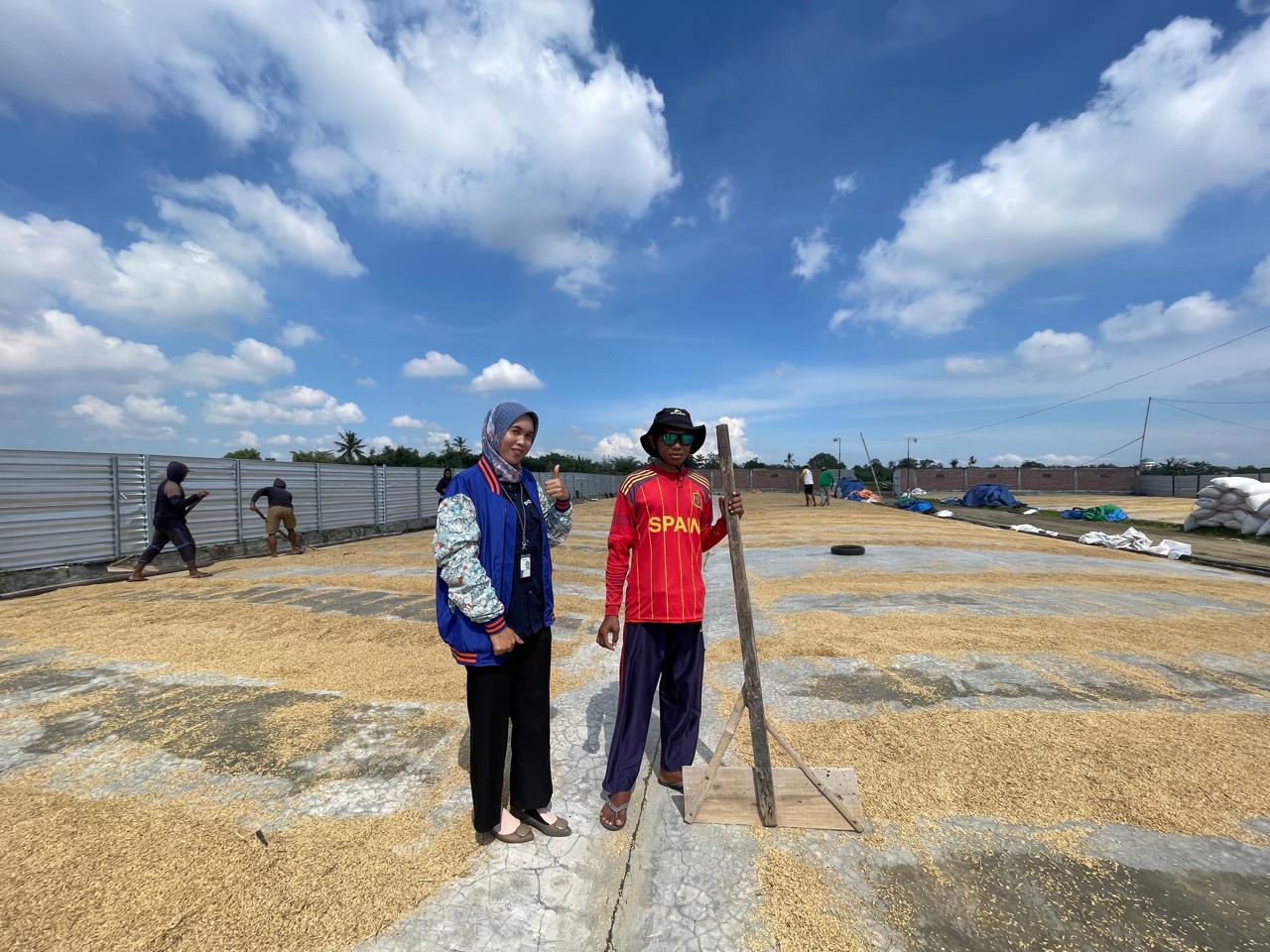
Behind their gentleness, women hold great strength to grow and empower their surroundings. That expression is very fitting to describe the figure of Sri Malasarin, a micro-marketing officer or commonly called a BRI Field Officer (Mantri BRI) assigned to Mujur, East Praya District, Central Lombok Regency, West Nusa Tenggara Province.
For this woman, her role is not just a job. More than that, she has become part of the driving wheel of the village community’s economy. Her perseverance and tenacity over the years have helped many micro-entrepreneurs, especially farmers, gain access to financing and mentoring in developing their businesses.
She shared the story of the beginning of her career journey to becoming a BRI Field Officer as she is now. After completing her undergraduate education in Agricultural Agribusiness, she once worked in the financial sector before finally joining as a frontliner at BRI in 2012.
Two years later, precisely in 2014, she participated in an internal recruitment in the marketing field and was successfully selected as a BRI Field Officer. This new role opened many new experiences as well as challenges in serving the community directly.
As a BRI Field Officer, she realizes that the main key in carrying out her duties is building good relationships with customers. Every day she deals with various different characters of people.
“The approach to customers is the main thing, because we meet people with different characters. Some may be gentle, or have a tough character, we must be able to handle them with a good approach. Then there might also be people who are unfamiliar, so we have to educate them slowly,” she explained.
Currently, she mentors customers in around three villages in the Mujur, East Praya area. The majority of these customers are farmers who need capital support to run their farming businesses.
Through her role, she helps them obtain financing access that suits their business needs. Not only providing loans, she also provides guidance so their financial management remains healthy.
“We must guide according to the customer’s needs. Here it’s generally for fertilizer