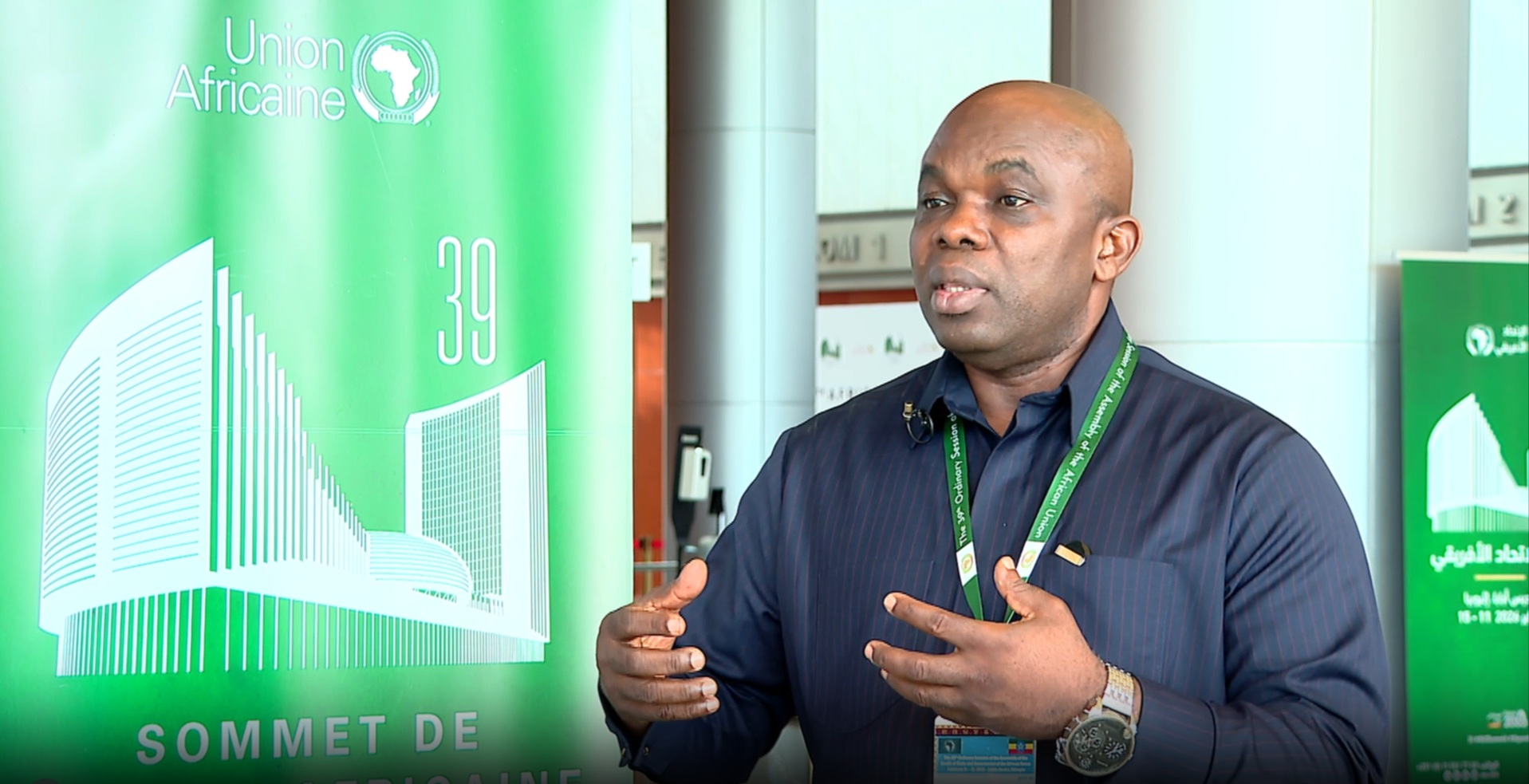
The Grand Ethiopian Renaissance Dam (GERD), built on the Nile River in Ethiopia, is the largest hydropower project in Africa. Since its launch in 2011, the project has been funded through the mobilization of domestic resources, including public contributions, bond sales, and government financing.
It was noted that the GERD stands as a living testament to what Africans can achieve through determination and self-reliance.
It was affirmed that the unwavering commitment demonstrated by Ethiopians in successfully building the GERD using local capabilities will remain an unforgettable chapter in Africa’s history.
According to the expert, the effective and broad-based participation of Ethiopians in completing the GERD has been a source of inspiration and a model to emulate, proving the ability of Africans to mobilize their resources to implement massive projects of continental importance.
It was added that the project has strengthened Ethiopia’s unity and has practically confirmed the ability of African nations to execute and complete massive continental projects without excessive reliance on external loans and aid.
Looking to the future, it was emphasized that African nations are expected to work in close cooperation to enhance trade and investment relations in order to achieve shared continental development agendas.
It was concluded that the Grand Ethiopian Renaissance Dam embodies collective determination and solidarity in realizing Africa’s developmental aspirations by promoting regional energy interconnectivity across the continent.
Grand Ethiopian Renaissance Dam
The Grand Ethiopian Renaissance Dam (GERD) is a major hydroelectric dam on the Blue Nile River in Ethiopia, whose construction began in 2011. As Africa’s largest dam, it is a source of national pride and economic development for Ethiopia, aiming to provide widespread electricity and reduce energy poverty. However, its filling and operation have been a source of prolonged diplomatic tension with downstream nations Egypt and Sudan, who are concerned about its impact on their historic water shares from the Nile.
Nile River
The Nile River is the world’s longest river, flowing over 6,650 kilometers through northeastern Africa and historically considered the lifeblood of ancient Egyptian civilization. Its predictable annual floods provided fertile soil, enabling the rise of one of history’s most enduring empires along its banks. Today, it remains a vital freshwater source and economic artery for multiple countries, including Egypt and Sudan.
Ethiopia
Ethiopia is a historically rich nation in the Horn of Africa, widely considered one of the oldest sites of human civilization and home to the ancient Kingdom of Aksum. It is unique in Africa for largely maintaining its sovereignty during the colonial era and is renowned as the origin of coffee and for its ancient Christian heritage, including rock-hewn churches in Lalibela.
Africa
Africa is a vast continent, not a single place or site, with a history as the cradle of humankind, where some of the earliest human fossils have been discovered. It is home to countless diverse cultures and historic sites, from the ancient pyramids of Egypt and the medieval empires of West Africa to the natural wonders of its landscapes and wildlife. Its modern history is deeply shaped by colonialism and the subsequent movements for independence and nation-building.