The Exiled One Meets Two Delegations of Notables and Elders from the Cities of Murzuq and Zintan.
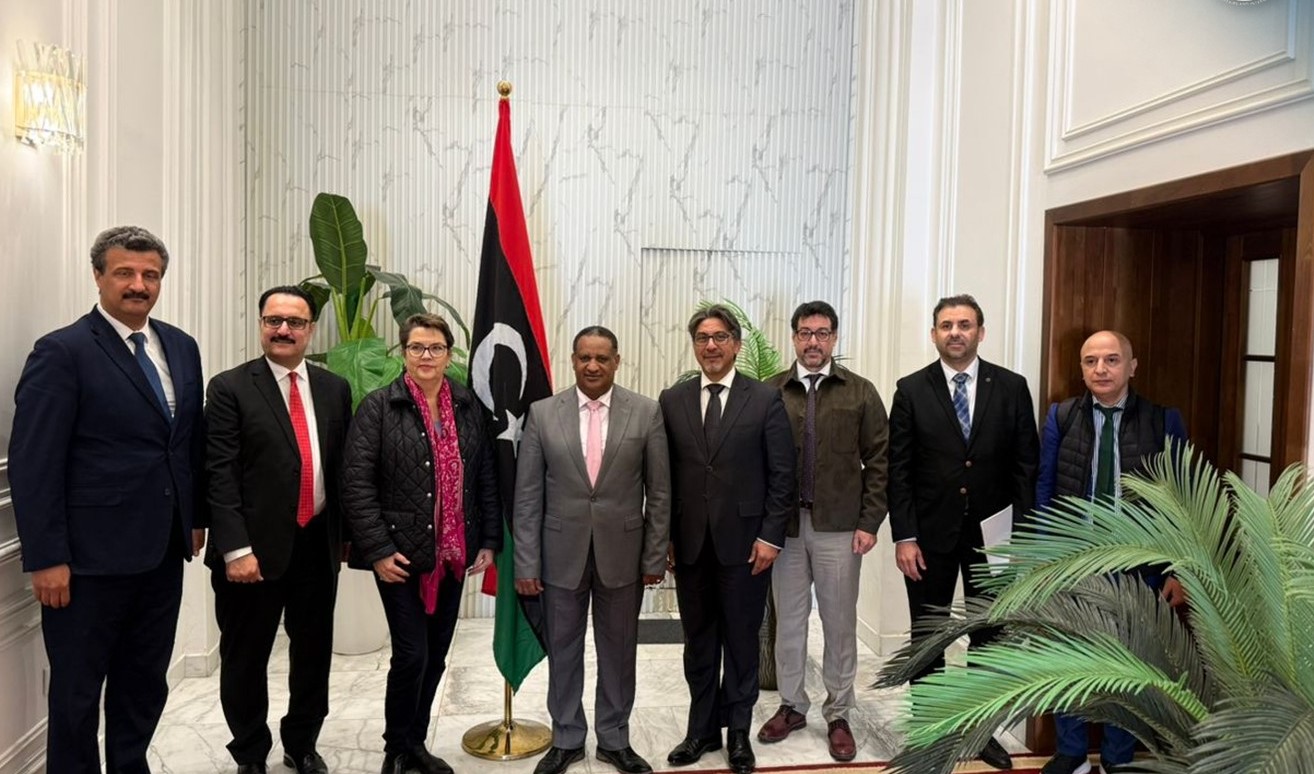
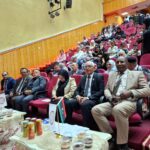
Tripoli – The President of the Presidential Council, “Mohammed al-Menfi,” met separately on Sunday at the Council’s headquarters in the capital, Tripoli, with two delegations: one from the notables and elders of the city of Murzuq, and another from the notables and elders of the city of Zintan.
The meeting, which was attended by a member of the High Council of State, “Hammad Mohammed,” discussed the pathways of the national reconciliation project, consolidating the principles of transitional justice and reparations, as well as ways to advance reconstruction and promote sustainable development in the Murzuq region.
In his meeting with the Zintan delegation, the focus was on discussing a number of important files related to the general situation in Zintan.
Tripoli
Tripoli is the capital and largest city of Libya, located on the country’s Mediterranean coast. Historically, it was founded by the Phoenicians in the 7th century BCE and has since been ruled by a succession of powers including the Romans, Arabs, Ottomans, and Italians, which is reflected in its diverse architecture like the ancient Red Castle (Assaraya al-Hamra) and old medina. Today, it serves as Libya’s major political, economic, and cultural center.
Murzuq
Murzuq is a historic oasis town in southwestern Libya, once the capital of the Fezzan region and a major hub for trans-Saharan trade routes. It was a key center for the Kanem-Bornu Empire and later the Ottoman Empire, known for its role in the slave trade. Today, it serves as a regional capital but retains a remote desert character.
Zintan
Zintan is a city in northwestern Libya, historically known for its strategic location in the Nafusa Mountains. It gained international attention during the 2011 Libyan Civil War as a stronghold for anti-Gaddafi forces and a key site for the capture and holding of figures like Saif al-Islam Gaddafi. The area is also home to a significant Berber (Amazigh) community, contributing to Libya’s cultural diversity.