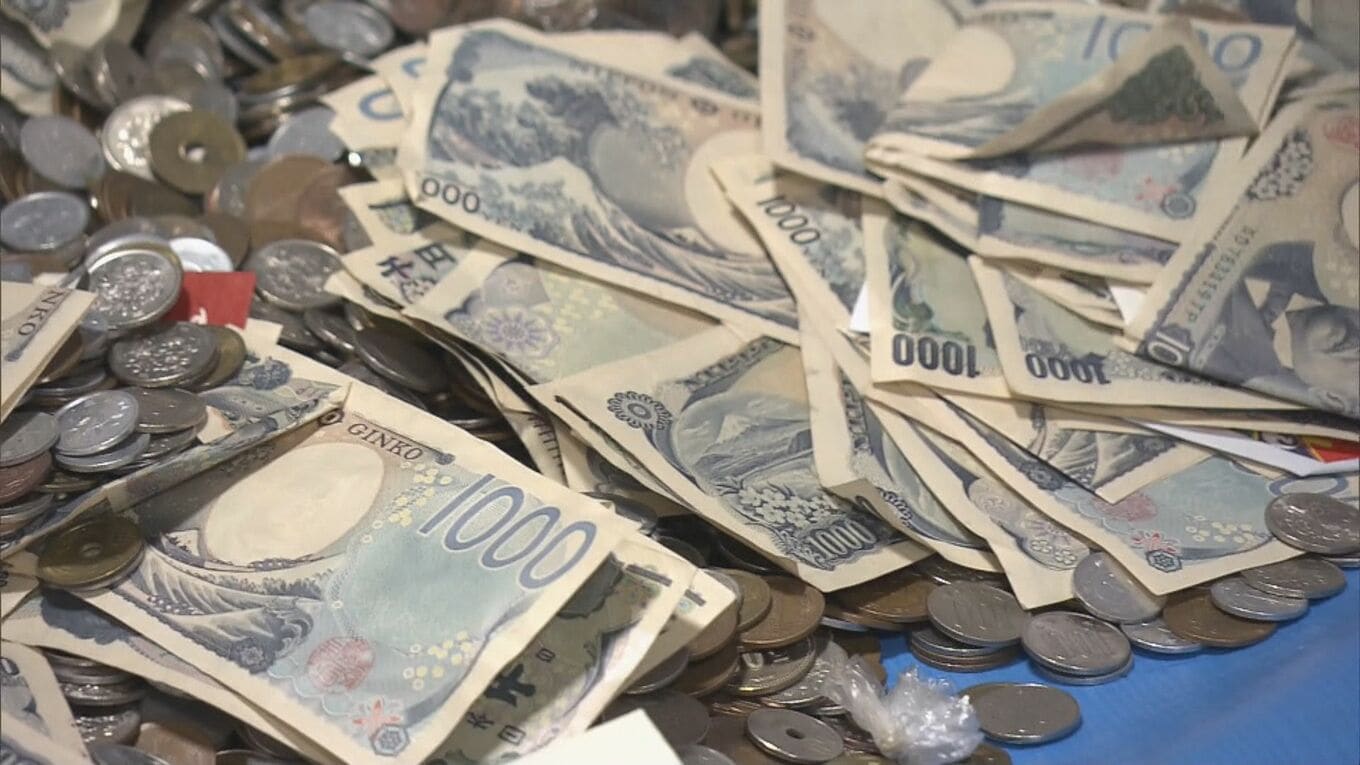
How much is the budget for the “offering” during the first shrine visit of the New Year? This month, Sony Life announced the results of its survey by prefecture on “the planned amount of money to put in the offering box at next year’s first shrine visit.”
For the sake of good fortune, do you end up putting in a little extra? Or, amidst high prices, are offerings also subject to thrift? The trends revealed by the results are…
First Shrine Visit
“Hatsumōde” (First Shrine Visit) is the traditional Japanese practice of visiting a Shinto shrine or Buddhist temple at the beginning of the New Year to pray for good fortune. Rooted in ancient Shinto purification rituals, it symbolizes gratitude for the past year and hopes for health and prosperity in the coming one. Today, it remains one of Japan’s most popular cultural events, with major sites like Meiji Jingu in Tokyo attracting millions of visitors during the first days of January.
Aichi
Aichi is a prefecture in central Japan, best known as the home of the historic city of Nagoya and the headquarters of major companies like Toyota. Its rich history includes being the seat of the powerful Owari Tokugawa lords during the Edo period, with Nagoya Castle as a key symbol. Today, it is a major industrial and cultural hub, also famous for its ceramics, traditional performing arts, and attractions like the Atsuta Shrine.
Sony Life
“Sony Life” refers to Sony Life Insurance Co., Ltd., a major Japanese life insurance company and a subsidiary of the Sony Group. It was established in 1979, expanding Sony’s business from electronics and entertainment into financial services. Today, it is known for providing life insurance and annuities, leveraging the Sony brand’s reputation for innovation and customer trust.