Entering the first year of the 2026-2030 medium-term plan, Hanoi has identified public investment disbursement as a key driving force for economic growth, striving for double-digit GRDP growth. With a capital plan of 126 trillion VND for 2026, the City has already allocated detailed funds for tasks and projects in accordance with central regulations and directives.
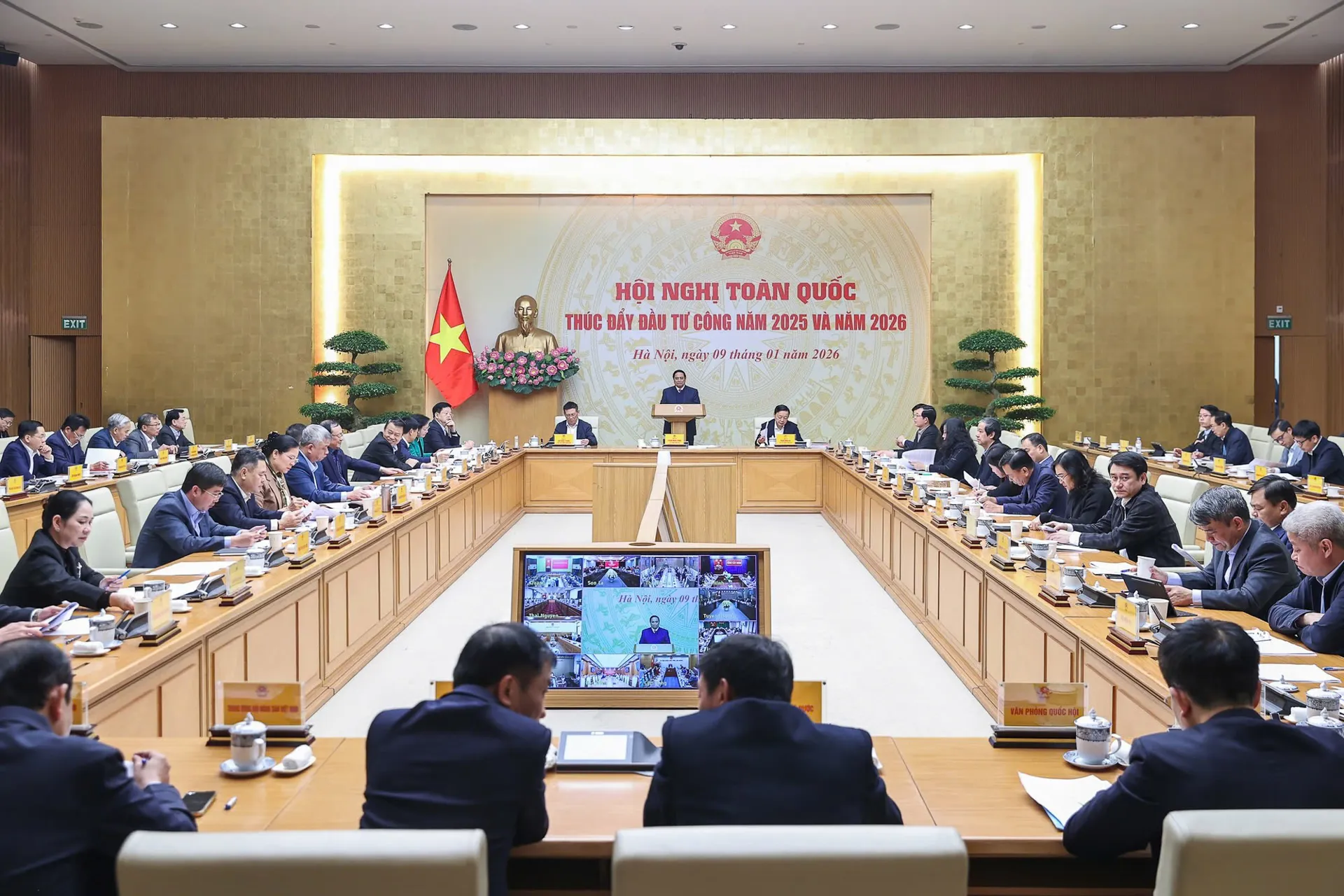
On the afternoon of January 9, the Prime Minister chaired the National Conference to Promote Public Investment for 2025 and 2026, connecting online from the Government headquarters to localities. The conference was attended by Deputy Prime Ministers, leaders of ministries, central and local agencies.
2025 Disbursement Achieves Highest Results Ever
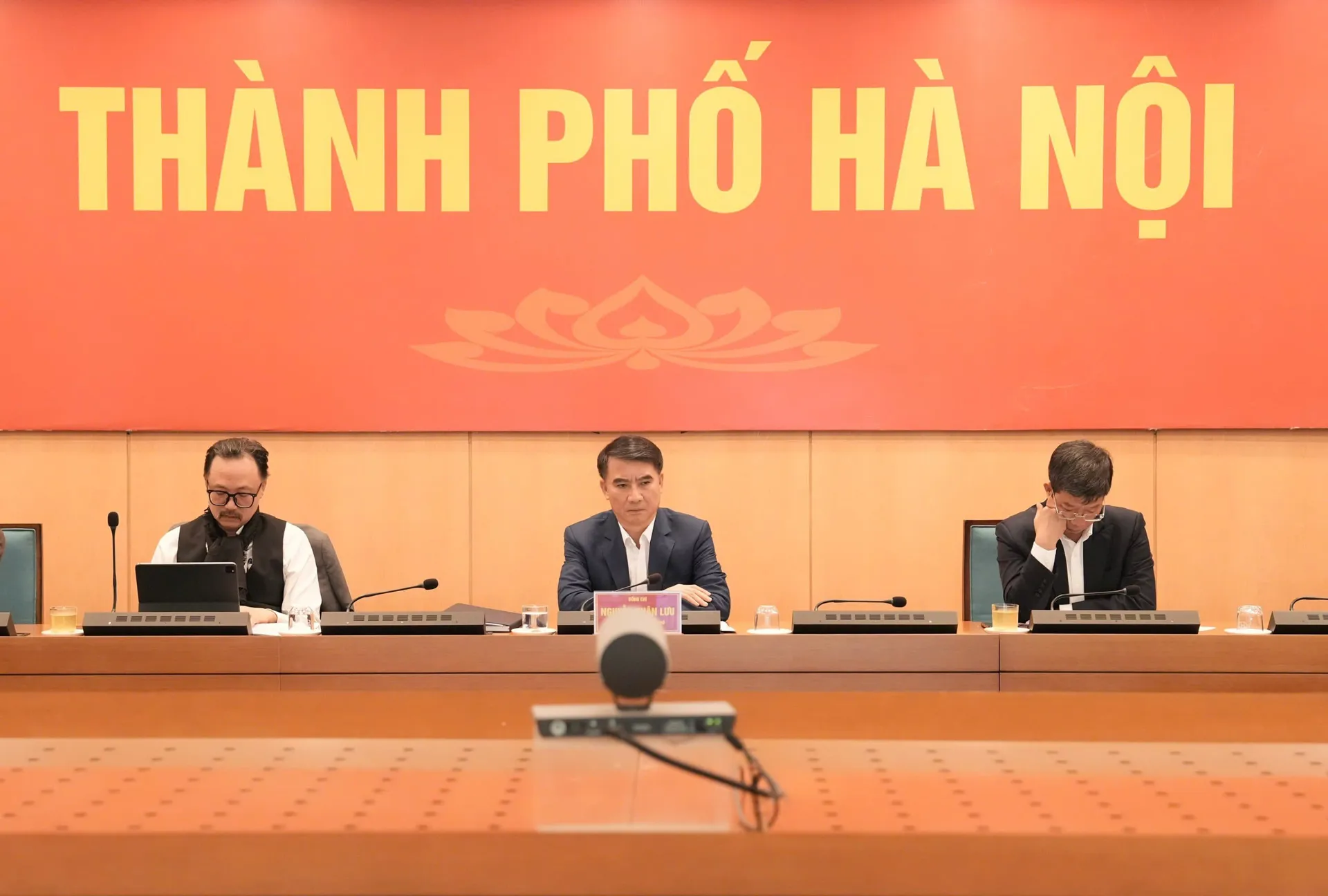
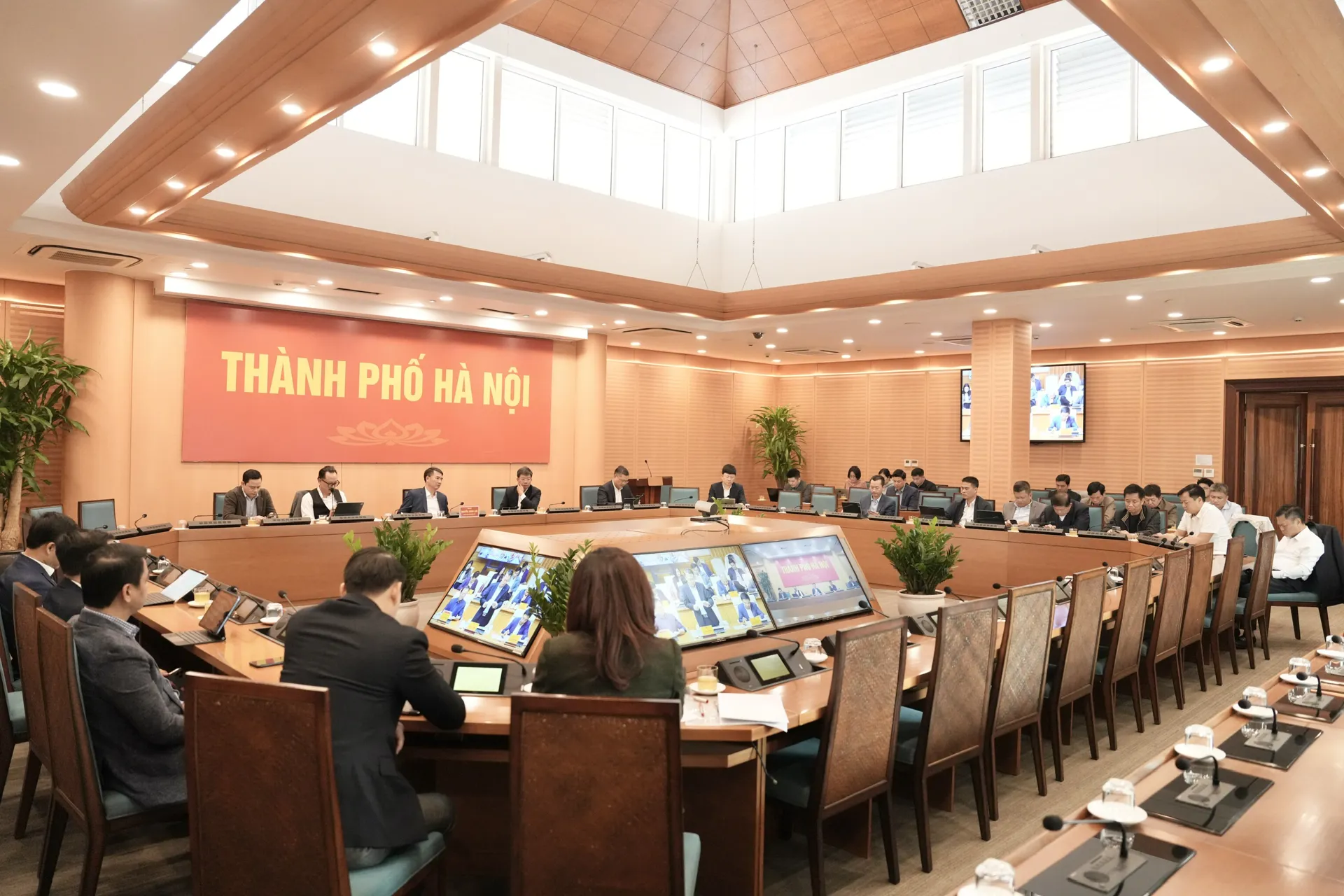
A report presented at the conference from the Hanoi People’s Committee headquarters stated that the City identifies public investment capital disbursement as a key political task and a crucial driving force for promoting the Capital’s economic growth. Right from the beginning of the year, Hanoi acted with the highest determination, promptly issuing plans and directives; clearly defining the roadmap and responsibilities of each investor and each project.
As a result, the City’s public investment capital disbursement results for 2025 reached the highest level ever in absolute value. As of December 31, 2025, cumulative disbursement reached over 89 trillion VND, equivalent to 106.8% of the plan assigned by the Prime Minister and 86.2% of the City’s plan. By January 9, 2026, this figure reached over 90 trillion VND, corresponding to 107.9% of the Prime Minister’s plan and 87.1% of the City’s plan; it is projected to reach about 117.7% of the Prime Minister’s plan and 95% of the City’s plan by the end of January 31, 2026.
In 2025, Hanoi commenced a series of large, important projects both within and outside the budget, contributing to promoting the economic development of the Capital and neighboring regions. In addition to launching two major projects – the Investment Project for Construction of the Red River Landscape Boulevard Axis and the Investment Project for Construction of the Olympic Sports Urban Area – the City also resolutely directed the implementation of many key framework infrastructure projects such as vital bridges (Van Phuc Bridge, Ngoc Hoi Bridge, Thuong Cat Bridge, Tran Hung Dao Bridge…), Urban Railway Line No. 5 section Van Cao – Hoa Lac…
Five Lessons Learned from 2025 Practice
From the implementation practice in 2025, Hanoi draws five important lessons in accelerating public investment capital disbursement.
First, resolutely directing and managing the public investment plan right from the beginning of the year. The City issued detailed disbursement plans for each project, each point of contact, each investor; periodically organized progress meetings for basic construction disbursement across the entire City; simultaneously applied a “green channel” mechanism in public investment procedures for large, key, important projects.
Second, focusing on resolving difficulties, obstacles, and major bottlenecks in public investment. The City mobilized the resolute involvement of the entire political system in site clearance work; a typical example is the completion of site clearance for the Belt Road 1 Project – a project with prolonged obstacles for many years.
Third, resolutely implementing major policies of the Central Government, especially regarding the arrangement of the two-level government; specific mechanisms for Hanoi under the Capital Law and National Assembly resolutions such as Resolution No. 258/2025/QH15 dated December 11, 2025 on piloting a number of specific mechanisms and policies for implementing large,

![[Podcast] Tin tức ngày 20-7: Gửi 29 triệu tin nhắn Zalo hướng dẫn ứng phó bão số 3 Wipha](https://asiacity.news/wp-content/uploads/2025/07/media-cdn-v2.laodong.vn-storage-newsportal-2025-7-20-1543395-_bao-so-3-14h-150x150.gif)