In accordance with its full-term working program, the 15th Plenum of the 13th Central Committee of the Party convened from December 22 to December 23, 2025, in the capital city of Hanoi.
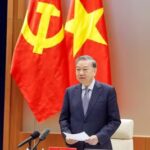
The General Secretary presided over and delivered important opening and closing speeches at the Plenum.
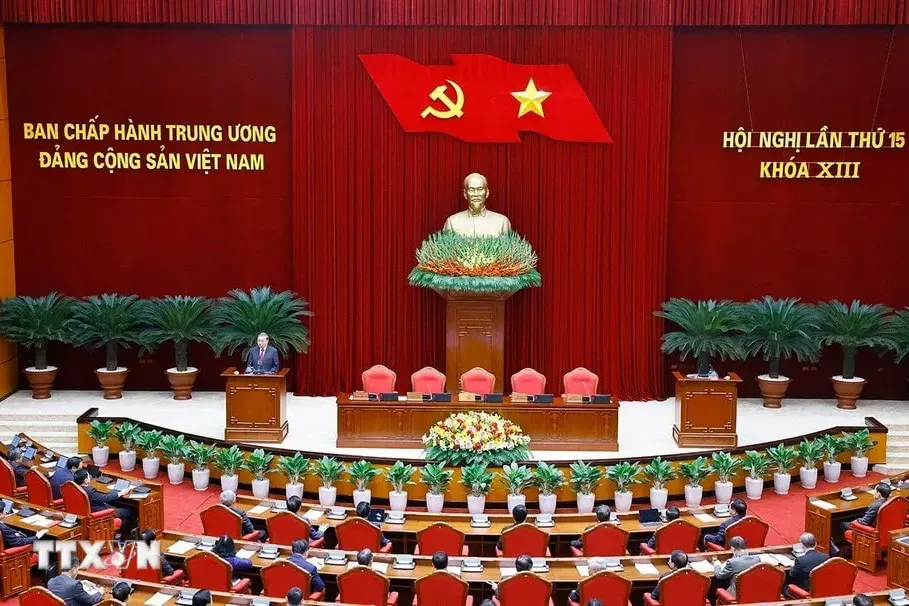
1. On personnel work for the 14th National Party Congress
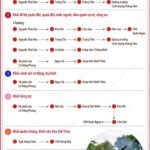
The Central Committee unanimously approved the Report of the 13th Central Committee to the 14th National Party Congress on personnel work for the 14th Central Committee. It voted with a high degree of consensus to approve the list of personnel nominated for the 14th Central Committee, as well as personnel nominated for the Politburo, the Secretariat, and key leadership positions of the Party and State for the 14th term (2026-2031). This list will be submitted to the 14th National Party Congress for consideration, decision, and organization of elections in accordance with the Party’s charter and regulations.
2. On draft documents to be submitted to the 14th National Party Congress
Draft Political Report
This was the fourth time the Central Committee provided feedback on the draft documents for the 14th National Party Congress. The majority of opinions expressed high consensus, stating that the current draft documents were meticulously, thoroughly, seriously, and scientifically prepared. The Politburo provided deep, attentive, and receptive guidance, carefully incorporating feedback from the Central Committee, party congresses at all levels, National Assembly deputies, the Fatherland Front, socio-political organizations, cadres, party members, and the people to finalize them. The content is concise yet comprehensive, action-oriented, and highly practical; it highlights key points and new perspectives and policies of the Central Committee and Politburo, clarifies limitations and weaknesses, and demonstrates the Party’s mettle, will, and the nation’s aspirations.
Draft Report Summarizing Theoretical and Practical Issues of the 40-Year Renovation Process in Vietnam Under Socialist Orientation
The Central Committee unanimously assessed that the draft Report truthfully, objectively, and comprehensively reflects the great, historically significant, and epochal achievements of the renovation process. It focused discussions on several fundamental and important contents such as: the global, regional, and domestic context impacting Vietnam over 40 years of renovation; the development of the Party’s theoretical awareness through 40 years of renovation; the achievements, limitations, and lessons learned from the practical experience of building socialism in Vietnam; forecasts of the situation, perspectives, and solution orientations to continue comprehensively and synchronously promoting the renovation process, national construction, development, and defense in the new period…
Draft Report Summarizing 15 Years of Implementing the Party Charter and Proposals, Orientations for Amending and Supplementing the Party Charter
The Central Committee expressed high consensus and focused discussions on evaluating the contents presented in the draft Report, including: the work of disseminating, concretizing, inspecting, and supervising the implementation of the Party Charter and related central regulations and guidelines; results, assessments, and evaluations of the implementation of the Party Charter’s contents and specific regulations and guidelines; strengths, limitations, obstacles, shortcomings, and their causes in the process of implementing the Party Charter; perspectives and principles for amending and supplementing the Party Charter…
The Central Committee unanimously approved the draft documents to be submitted to the 14th National Party Congress; it assigned the Politburo to direct the incorporation of feedback from the Central Committee and finalize the documents for submission to the 14th National Party Congress.
3. The Central Committee reviewed and provided feedback on the draft Working Regulations for the 14th National Party Congress and the draft Election Regulations for the 14th National Party Congress; the draft Report Summarizing Inspection, Supervision, and Party Discipline Enforcement Work for the 13th Party Congress Term; the policy to develop a Project Summarizing 100 Years of the Party Leading the Vietnamese Revolution (1930-