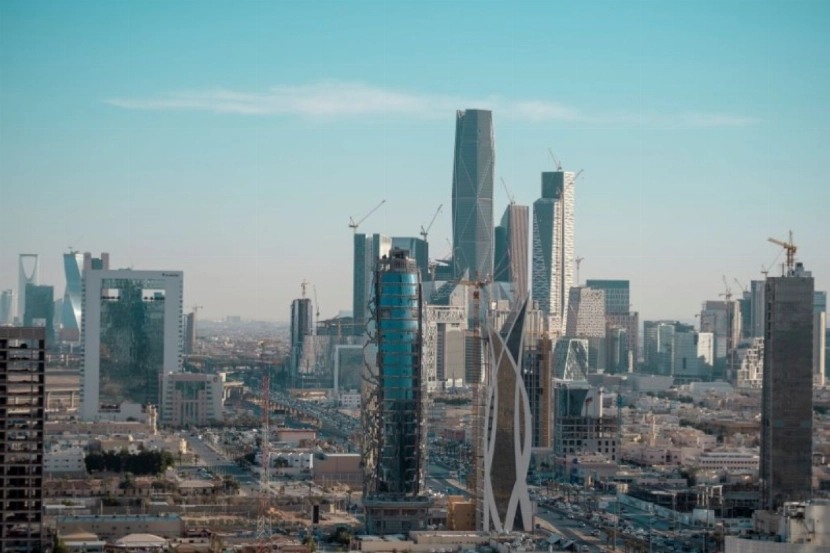
In a new achievement reflecting the path of cultural and creative transformation witnessed by the Kingdom, the United Nations Educational, Scientific and Cultural Organization (UNESCO) has included the cities of Riyadh and Medina in its Creative Cities Network worldwide. Riyadh was classified in the field of Design, and Medina in the field of Culinary Arts.
This inclusion comes as part of UNESCO’s annual announcement, which highlights cities that have excelled in adopting policies and initiatives supporting sustainable development through culture and creativity. It confirms the growing status of Saudi cities on the global map and highlights their ability to compete in the fields of creativity and innovation.
This achievement represents an important step towards achieving the goals of the Kingdom’s Vision 2030 in making culture a fundamental pillar of quality of life and economic development. The inclusion of Riyadh and Medina in the Creative Cities Network is the culmination of ongoing efforts to support national talent, develop creative industries, and expand the Kingdom’s presence in the global cultural scene.
The selection of Riyadh in the field of Design reflects the urban and architectural development witnessed by the capital, and its distinguished innovative initiatives in the fields of urban design and sustainable architectural planning. Meanwhile, the inclusion of Medina in the field of Culinary Arts embodies the richness of cultural heritage and food diversity that expresses the identity of the place and its historical and human depth.
The inclusion of Riyadh in the Creative Cities Network serves as an incentive to enhance its position as a regional center for design and creativity, and an extension of the Kingdom’s efforts to develop the urban environment in line with global standards.
The inclusion of Medina in the field of Culinary Arts opens wide horizons for Saudi chefs and local projects to showcase Saudi heritage at international festivals and enhances cultural tourism related to authentic Saudi cuisine.
The UNESCO Creative Cities Network includes more than 350 cities from various countries around the world, all of which seek to make creativity a main driver for sustainable development. The inclusion of the Saudi cities highlights the Kingdom’s commitment to promoting cultural diversity and urban innovation within the framework of global development.