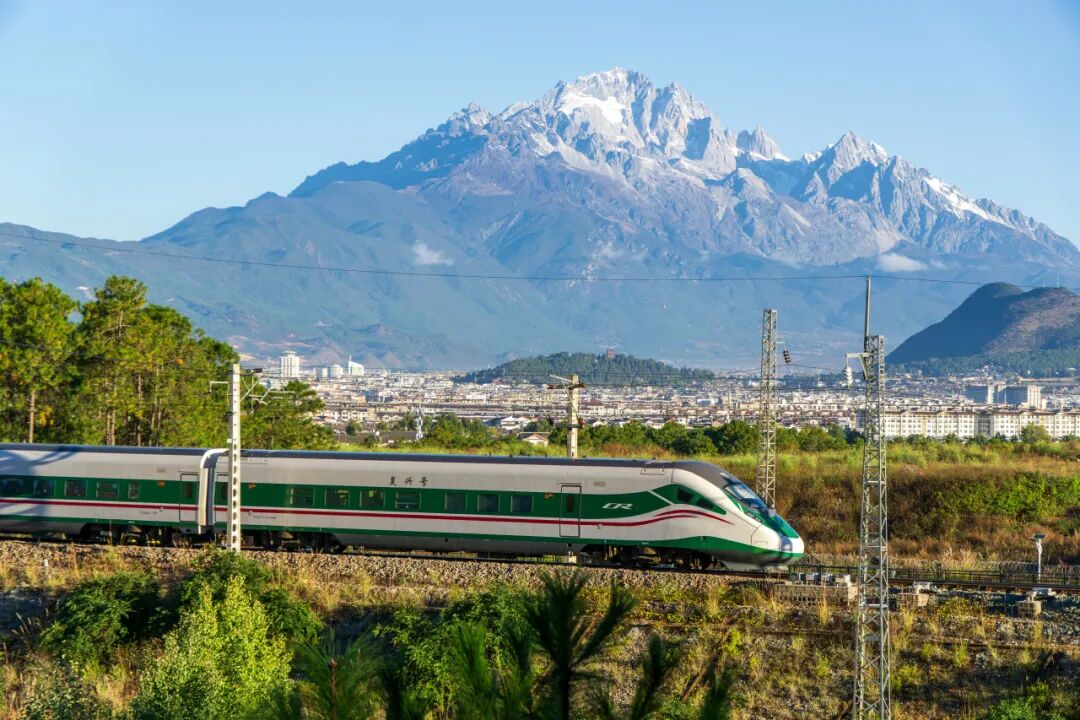
Lijiang is a historic city in Yunnan Province, China, renowned for its well-preserved ancient town, a UNESCO World Heritage Site. It was a crucial commercial hub on the ancient Tea Horse Road, with a history dating back over 800 years. The city is also famous as the cultural center of the Naxi people, who maintain their unique Dongba culture.
Shangri-La
Shangri-La is a fictional paradise described in James Hilton’s 1933 novel *Lost Horizon*, depicted as a harmonious valley secluded in the Kunlun Mountains. The name has since become a byword for an earthly utopia and inspired the renaming of Zhongdian County in China’s Yunnan province to Shangri-La in 2001, to reflect the area’s stunning natural beauty and Tibetan cultural heritage.
Lashi Lake
Lashi Lake is a scenic alpine wetland located near Lijiang in Yunnan Province, China. Historically, it served as a temporary resting point for horse caravans traveling along the ancient Tea Horse Road. Today, it is a protected nature reserve known for its biodiversity and as a wintering habitat for migratory birds.
Tiger Leaping Gorge
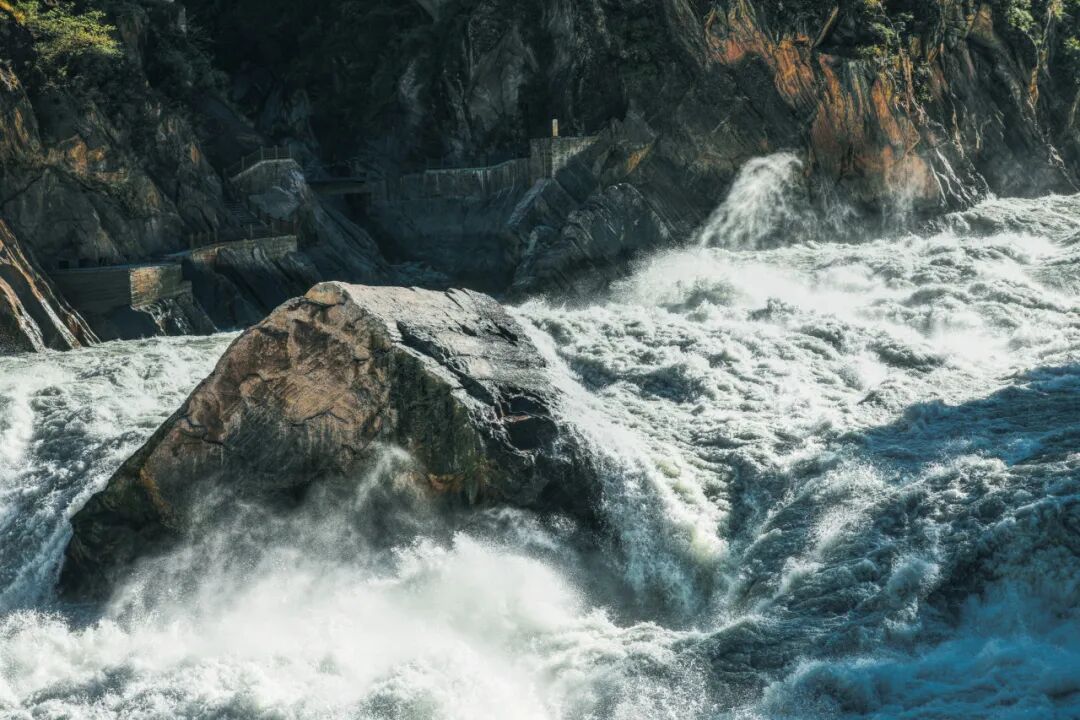
Tiger Leaping Gorge is a spectacular canyon on the Jinsha River in southwestern China, carved between the Jade Dragon Snow Mountain and Haba Snow Mountain. According to legend, its name originates from a tiger that once leaped across the river at its narrowest point to escape a hunter. Today, it is a world-renowned destination for its dramatic scenery and challenging multi-day hiking trails.
Jade Dragon Snow Mountain
Jade Dragon Snow Mountain is a majestic mountain range in Yunnan, China, revered by the local Naxi people as a sacred spiritual site. Its 13 peaks, which resemble a jade dragon lying in the clouds, have perpetual snow and glaciers that are thousands of years old. For centuries, it has been a central figure in local legends and was historically a challenging, unconquered peak for climbers.
Xiaozhongdian
Xiaozhongdian is a small Tibetan village located in Shangri-La, Yunnan Province, China, historically serving as an important stop on the ancient Tea Horse Road. This trade route facilitated the exchange of tea from Yunnan for horses from Tibet for centuries. Today, it is known for its surrounding highland meadows and offers a glimpse into the region’s Tibetan culture and history.
Jinsha River Railway Bridge
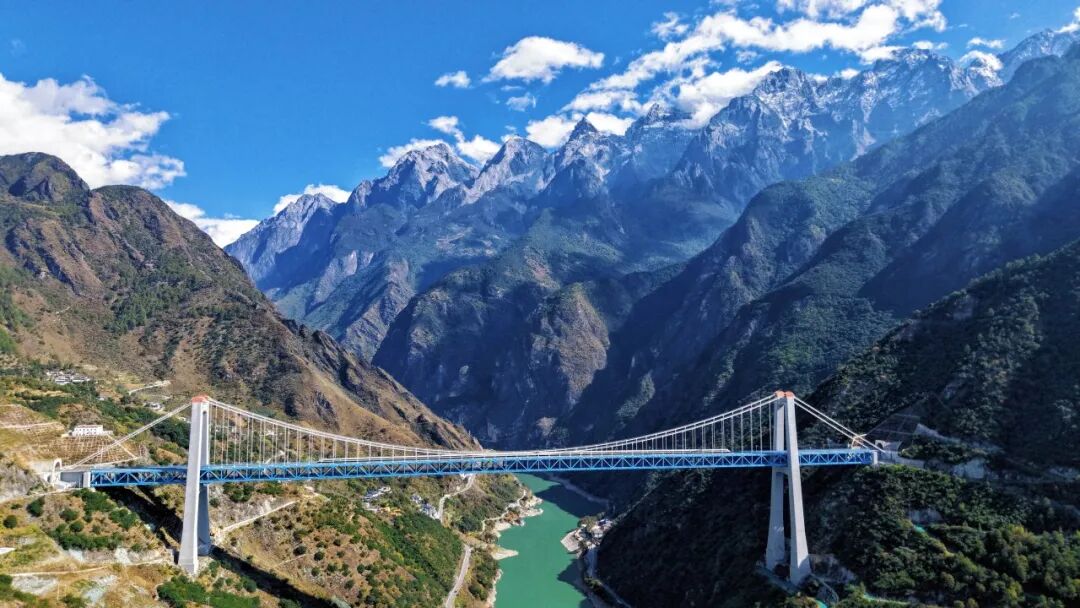
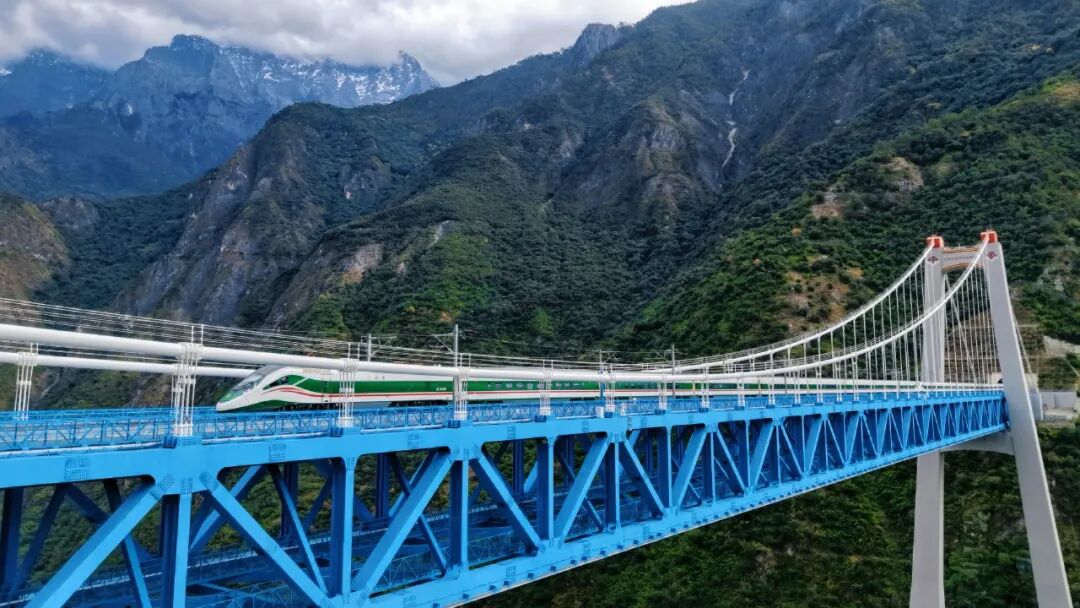
The Jinsha River Railway Bridge is a modern engineering marvel in China, constructed to support the Lijiang-Shangri-La Railway. Completed in the early 21st century, it spans the deep gorge of the Jinsha River, a primary headstream of the Yangtze River. This vital bridge facilitates transportation and economic development in the remote and mountainous Yunnan province.
Haba Snow Mountains
The Haba Snow Mountains are a dramatic mountain range located in Yunnan Province, China, part of the greater Hengduan Mountains. Historically forming a significant natural barrier, the mountains are renowned for Haba Snow Mountain, which rises to 5,396 meters and is a popular but challenging peak for climbers. The area is also known for its immense biodiversity and its proximity to the famous Tiger Leaping Gorge.