Curry and Açaí Bowls: Enjoy Autumn at Tsurumi Ryokuchi! From October 10th to 13th, the ‘Curry Expo’ and ‘Açaí Great War vs. Açaí Great Battle’ will be held at the ‘Flower Expo Memorial Park Tsurumi Ryokuchi’.
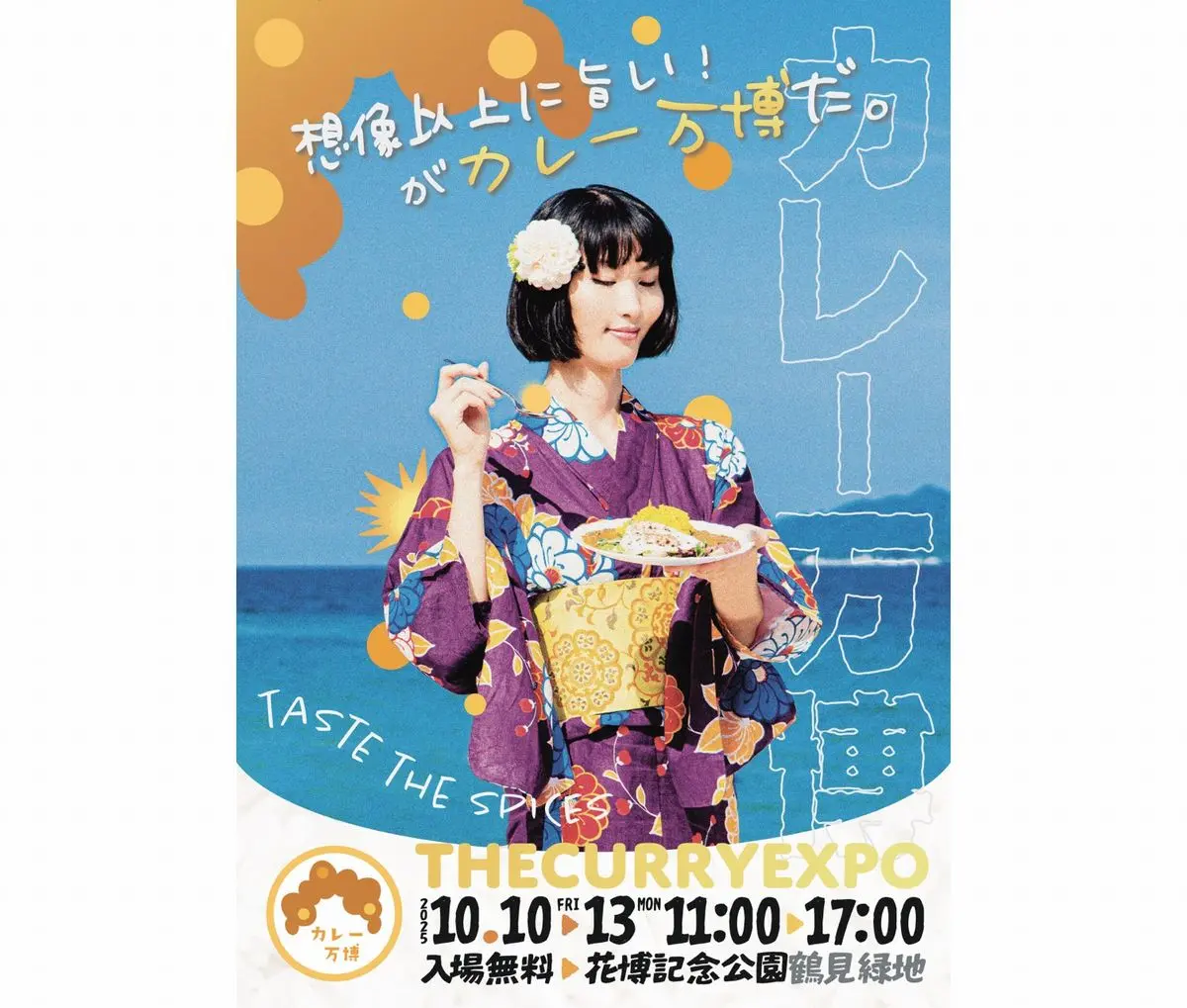
First, from October 10th to 13th, the ‘Curry Expo’ will be held!
‘Curry Expo’
Dates: October 10th to 13th 11:00-17:00
Free admission
The ‘Curry Expo’ brings together a wide variety of curry types including spice curry, European-style curry, Asian curry, and regional specialties, allowing visitors to explore the depth of curry spices.
As a second event, from October 11th to 13th, ‘Acai Great War vs Acai Great Battle’ will also be held at Tsurumi Ryokuchi Park!
‘Acai Great War vs Acai Great Battle’
Dates: October 11th to 13th 11:00-17:00
Free admission
‘Acai Great War vs Acai Great Battle’ features the ‘Acai Great War’ held in Kyobashi in March and the ‘Acai Great Battle’ held in Tennoji in June, with each presenting their unique acai bowl concepts.
Why not take this opportunity to enjoy both curry and acai bowls at Tsurumi Ryokuchi Park?
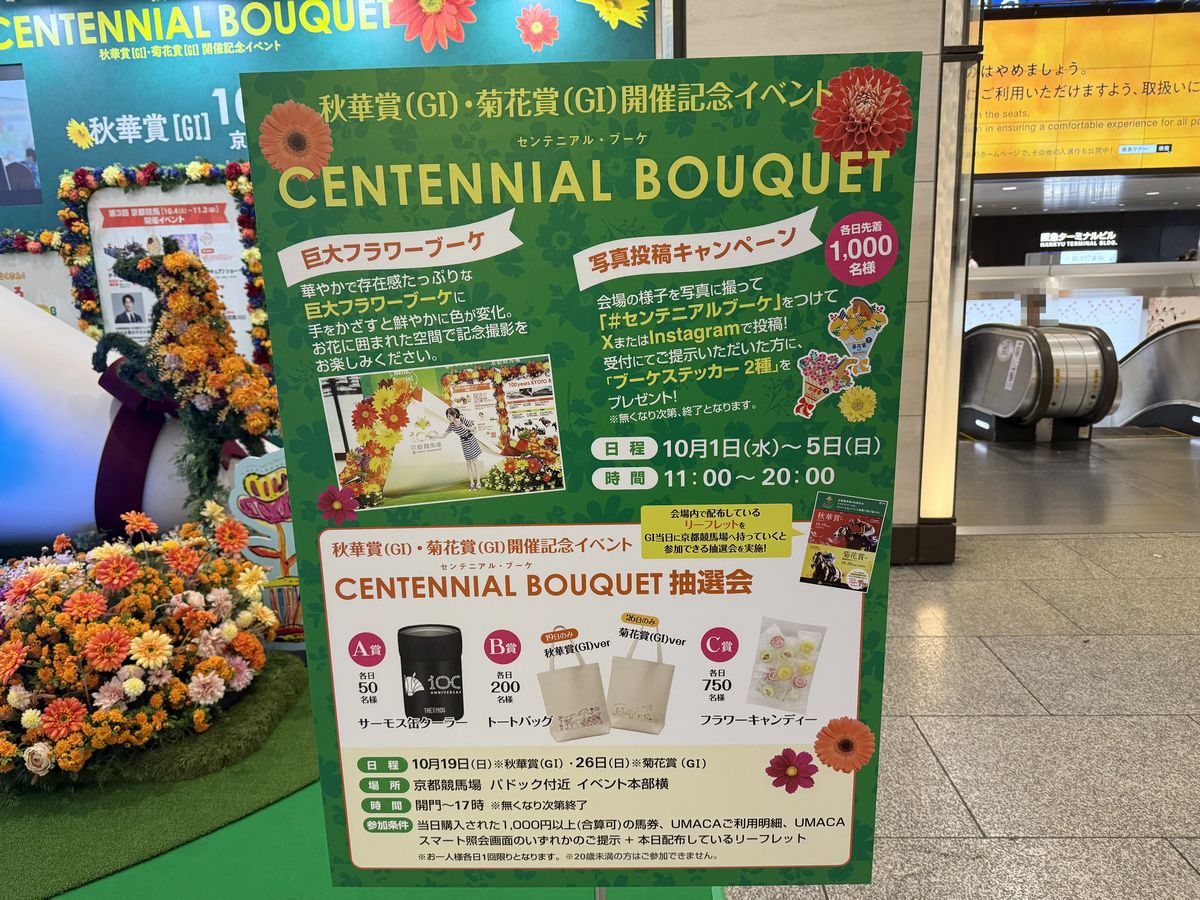
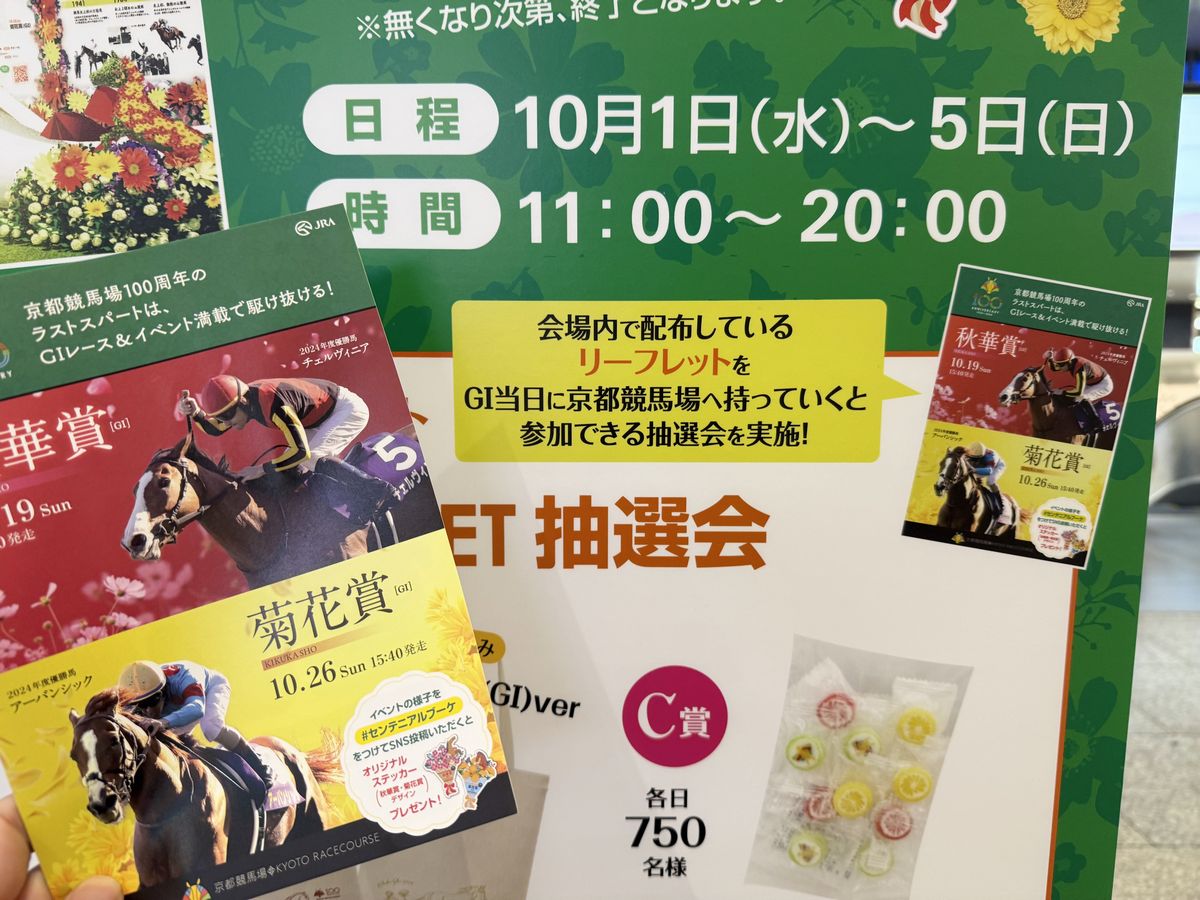
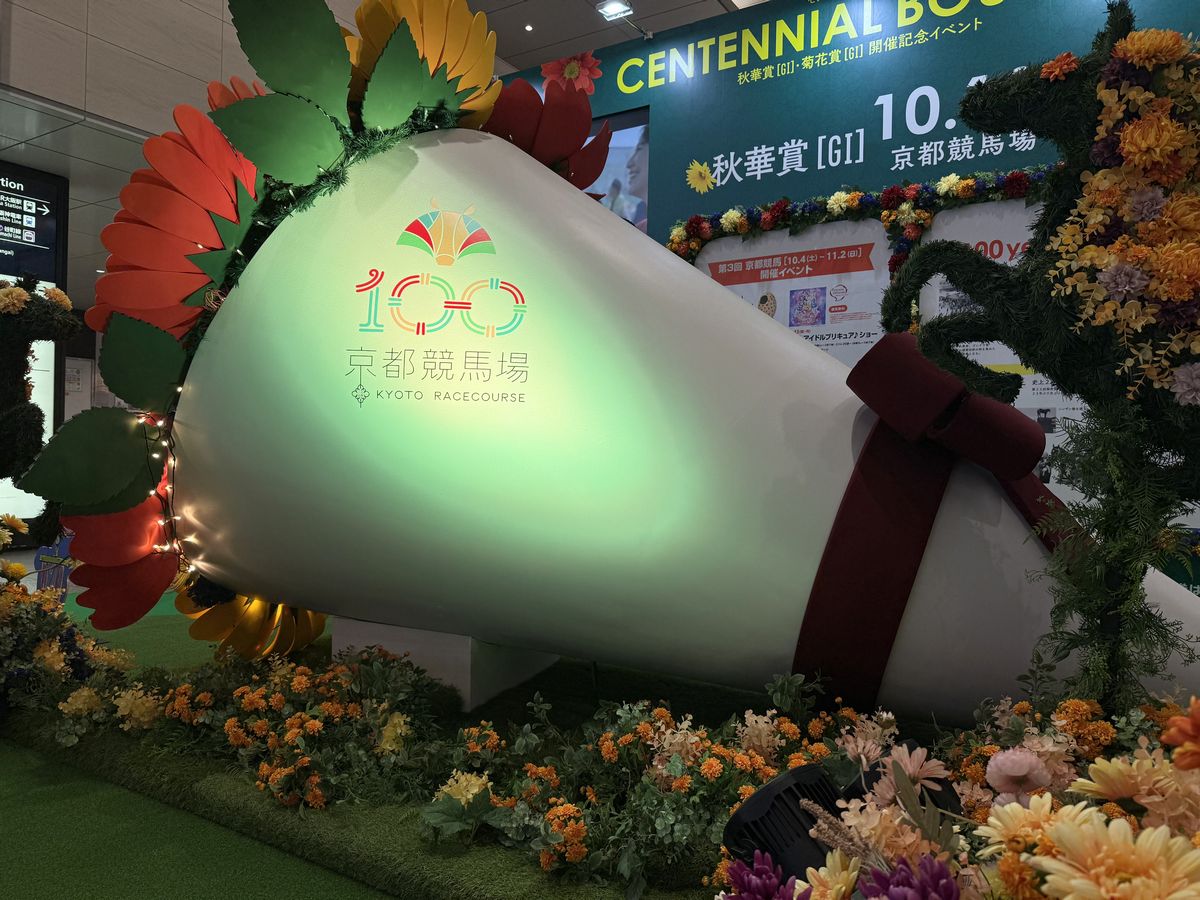
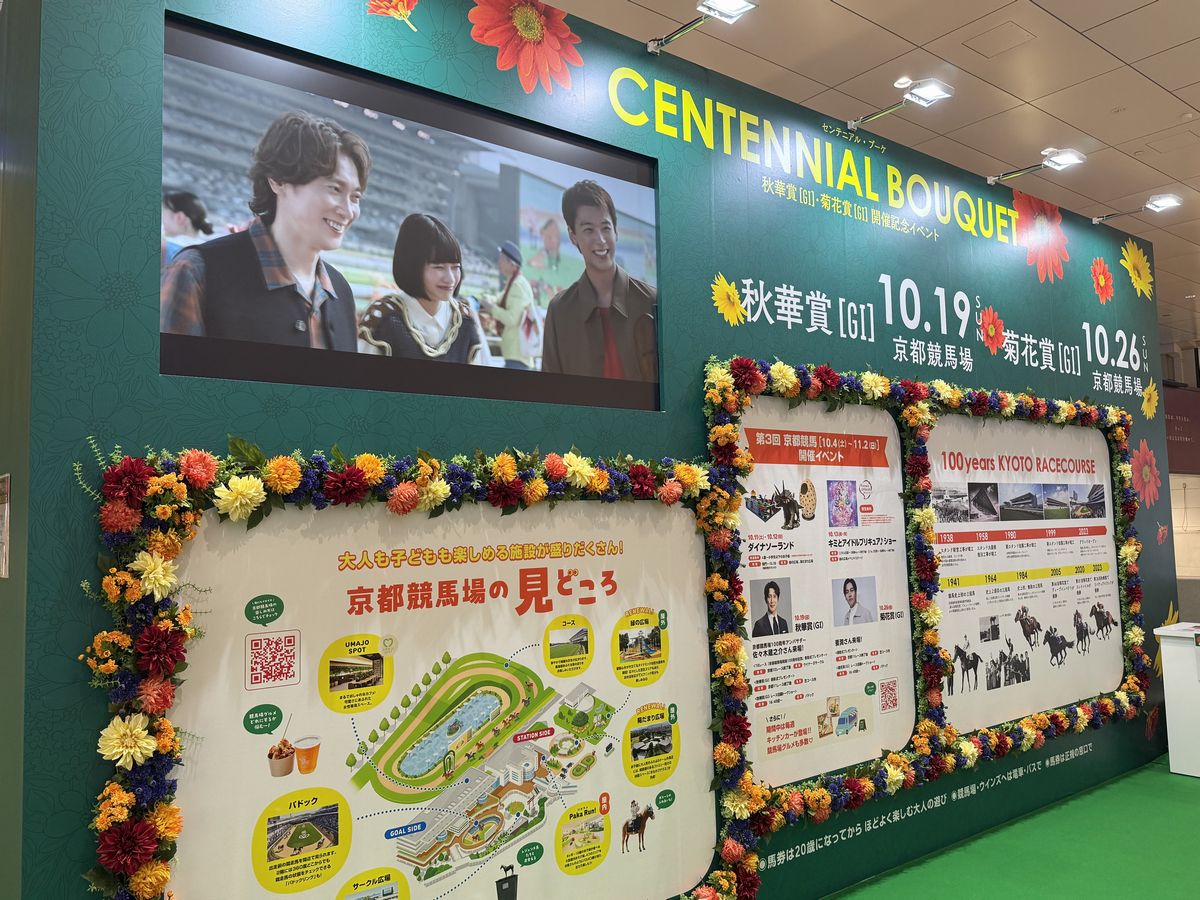
From October 1st to 5th, the ‘CENTENNIAL BOUQUET’ event commemorating the Shuka Sho [GI] and Kikuka Sho [GI] races is being held at Umeda BIGMAN in Osaka’s Kita Ward.
This event celebrates the 100th anniversary of Kyoto Racecourse and promotes Kyoto Racecourse’s two major autumn GI races, the “Shuka Sho” and “Kikuka Sho,” in Osaka’s Umeda area.
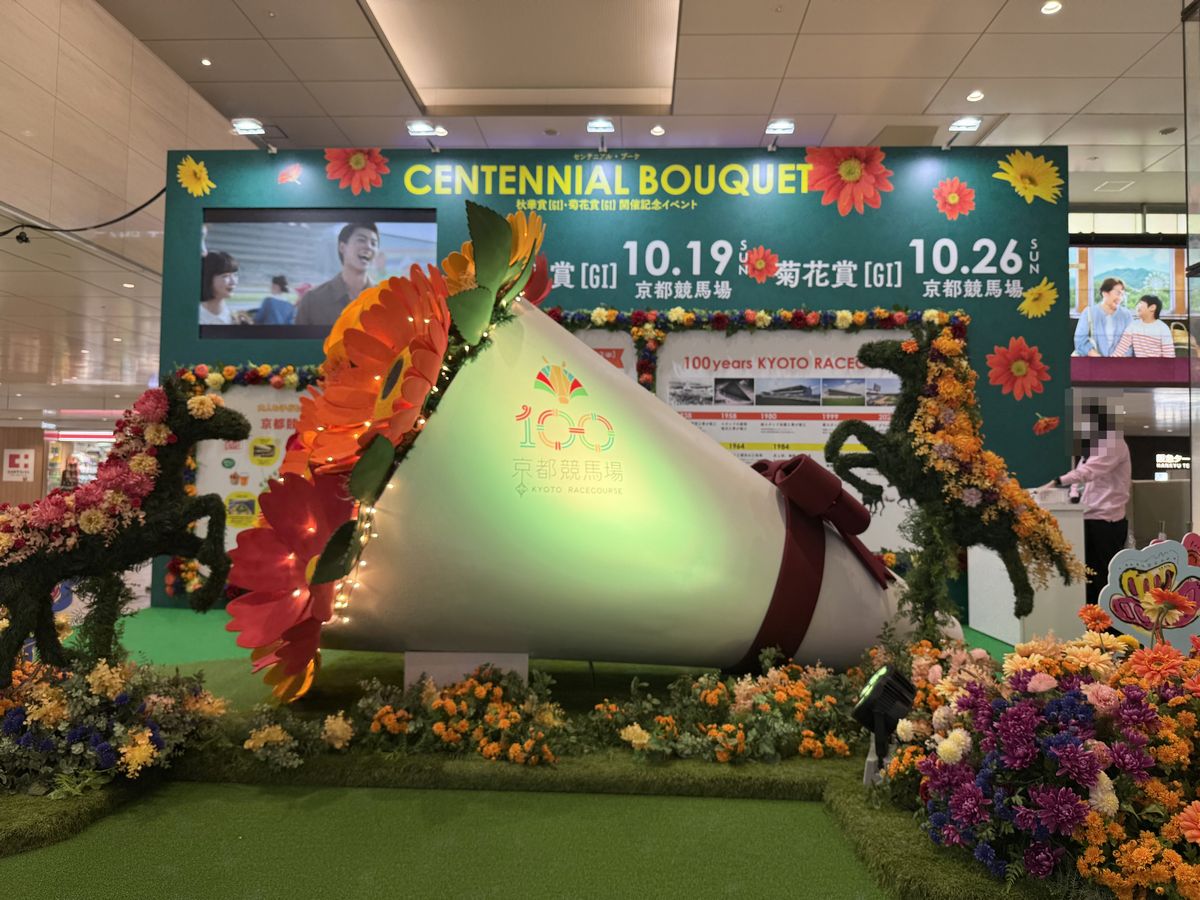
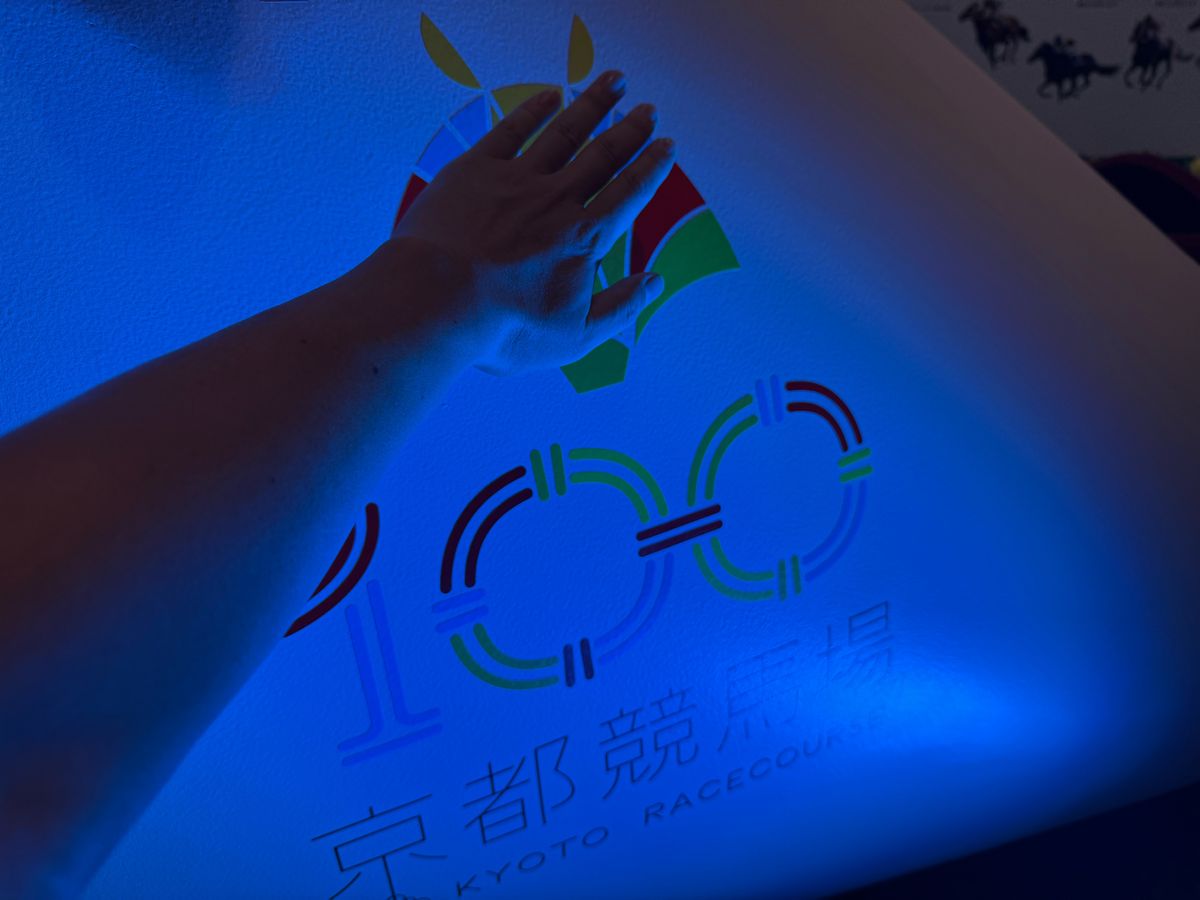
Colorful objects are displayed at the venue!This is a giant flower bouquet object.The designs feature flower motifs including gerberas and cosmos.When you place your hand over the logo on the bouquet, the light color changes!You can change it to your favorite color and enjoy viewing and photography.This is a flower object shaped like a horse.Panels with flower illustrations are also displayed.Panels about Kyoto Racecourse are displayed here.<img alt="" src="https://asiacity.news
Tsurumi Ryokuchi Park
Tsurumi Ryokuchi Park is a large public park in Osaka, Japan, originally developed as the main site for the 1990 International Garden and Greenery Exposition. The park preserves the exposition’s legacy by featuring gardens and pavilions from various countries around the world. Today, it serves as a popular recreational space showcasing international horticulture and hosting seasonal events.
Kyobashi
Kyobashi is a historic district in Tokyo, Japan, located between the Ginza and Nihonbashi areas. Its name, meaning “Capital Bridge,” originates from a bridge built in 1603 that was the official starting point of the roads leading to Kyoto during the Edo period. While the original bridge is gone, the area remains a bustling commercial and business hub today.
Tennoji
Tennoji is a historic Buddhist temple in Osaka, Japan, founded in 593 by Prince Shotoku, making it one of the country’s oldest temples. The temple complex has been destroyed and rebuilt numerous times throughout its history due to fires and wars. Today, it remains a significant religious site and is a central feature of the surrounding Tennoji district.
Umeda BIGMAN
Umeda BIGMAN is a large bronze statue of a muscular man located in the Umeda district of Osaka, Japan. Created by the sculptor Toshio Yoshida, it was installed in 1970 and has since become a quirky and beloved local landmark. The statue is known for its powerful, dynamic pose and is a popular meeting spot for residents and visitors.
Kyoto Racecourse
Kyoto Racecourse is a thoroughbred horse racing venue located in Fushimi Ward, Kyoto, Japan. It first opened in 1925 and is notably home to major races like the Queen Elizabeth II Commemorative Cup. The racecourse is renowned for its picturesque setting, with views of the surrounding mountains and its famous cherry trees.
Shuka Sho
I am unable to find any significant cultural or historical site named “Shuka Sho.” It is possible that the name may be misspelled, refer to a very localized or lesser-known place, or be a term from a specific context. If you have more details or can verify the spelling, I would be happy to try again.
Kikuka Sho
“Kikuka Sho” refers to the Japanese Order of the Chrysanthemum, the highest possible honor awarded by the Emperor of Japan. It was established in 1876 during the Meiji Restoration as part of a modern system of national awards. The order is typically reserved for royalty, national leaders, or individuals of the highest merit, symbolizing prestige and exceptional service to Japan.