US and Iran agree to extend ceasefire for 60 days, pending Trump’s approval.
According to reports, a knowledgeable source said on May 28 that the US and Iran have reached a preliminary agreement to extend the ceasefire for an additional 60 days.
However, the agreement still awaits approval from US President Donald Trump.
During the ceasefire, the two sides will continue negotiations on Iran’s nuclear program.
The agreement also stipulates that cargo shipping through the Strait of Hormuz will not be obstructed, taxed, or harassed. Additionally, Iran must remove all naval mines within 30 days.
On the US side, Washington will lift the naval blockade on Tehran’s ports after commercial shipping resumes.
The agreement includes a commitment from Tehran not to pursue nuclear weapons. One of the key issues to resolve is the handling of the enriched uranium stockpile that Iran holds.
News of a potential deal caused oil prices to reverse downward, as markets anticipate the Strait of Hormuz could soon reopen.
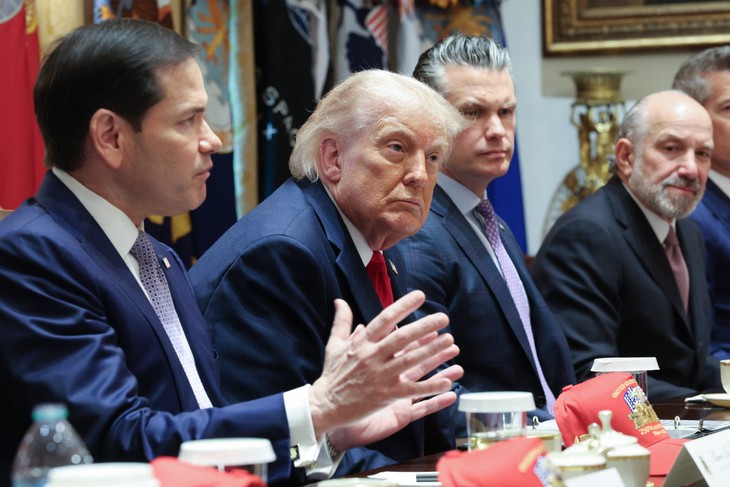
Previously, Trump repeatedly stated that the war was nearing an end, but at a cabinet meeting on May 27, he indicated he was still not satisfied with the negotiation progress.
On May 28, Washington and Tehran continued to accuse each other of violating the ceasefire agreement.
The US Central Command (CENTCOM) reported shooting down five Iranian drones and destroying a control station in the port city of Bandar Abbas.
In response, Iran’s Islamic Revolutionary Guard Corps (IRGC) confirmed it had attacked a US base in Kuwait as retaliation.
US-Iran tensions continue to escalate as Washington announced the destruction of an Iranian drone control station near Hormuz. Shortly after, Iran retaliated with an attack on a US base in Kuwait.
Strait of Hormuz
The Strait of Hormuz is a narrow, strategically vital waterway connecting the Persian Gulf to the Gulf of Oman and the Arabian Sea. Historically, it has been a crucial maritime route for centuries, serving as a key passage for trade and oil transportation, with its importance recognized by ancient empires like the Portuguese and the British. Today, it remains a focal point of global geopolitics, as approximately 20% of the world’s petroleum passes through its waters.
Bandar Abbas
Bandar Abbas is a major port city in southern Iran, situated on the Strait of Hormuz. Its strategic location has made it a vital trade and naval hub for centuries, particularly after the Portuguese were expelled from the area in the early 17th century, when Shah Abbas I developed the city to replace Hormuz as the country’s primary port. Today, it remains a key economic center, known for its bustling bazaars, diverse culture, and role in Iran’s maritime commerce.
Kuwait
Kuwait is a small, oil-rich country located in the Arabian Gulf, known for its modern skyline and deep cultural heritage. Historically, it was a thriving pearling and trading hub before the discovery of oil in the 1930s transformed its economy. The country gained independence from British protection in 1961 and rebuilt rapidly after the 1990 Iraqi invasion, emerging as a key political and economic player in the region.
Strait of Hormuz
<div class="text
Strait of Hormuz
The Strait of Hormuz is a narrow, strategically vital waterway connecting the Persian Gulf to the Gulf of Oman and the open ocean. Historically, it has been a key maritime route for trade and oil shipments, with its importance recognized for centuries by empires such as the Portuguese and the British. Today, it remains a critical chokepoint for global energy supplies, with about 20% of the world’s petroleum passing through it.
Bandar Abbas
Bandar Abbas is a major port city in southern Iran, situated on the Strait of Hormuz. Its strategic location made it a key trading hub, especially after the Portuguese were expelled in the early 17th century, when Shah Abbas I developed it to replace the port of Hormuz. Today, it remains a vital economic and naval center, known for its bustling bazaars and as a gateway for Iranian imports and exports.
Kuwait
Kuwait is a small, oil-rich country located on the Arabian Peninsula, bordered by Iraq and Saudi Arabia. Historically, it was a thriving pearling and trading hub before the discovery of oil in the 1930s transformed it into one of the world’s wealthiest nations. Its modern history was profoundly shaped by the Iraqi invasion in 1990 and the subsequent Gulf War, which led to its liberation by a U.S.-led coalition in 1991.