The issuance date for White Land fee invoices in Riyadh has been announced.
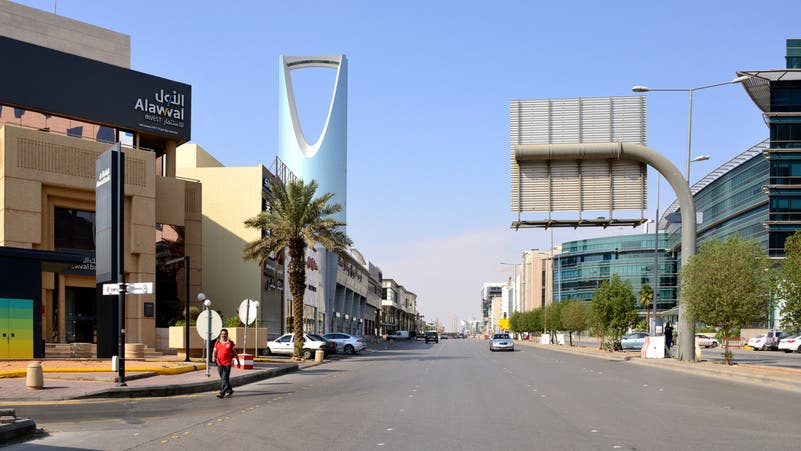
The official account for the White Land and Vacant Property Fees system in Saudi Arabia announced that invoices for white land fees subject to the fee in the city of Riyadh will be issued on January 1, 2026.
The official account of the system on the “X” platform confirmed that when the fee is issued on their land, the taxpayer can submit a request for an additional development period. This additional period is granted after approval from the competent committee according to approved regulations.
The account clarified that if development is not completed during the additional period, the fees become due for the entire duration.
The Saudi Ministry of Municipalities and Housing announced in August last year the determination of geographic ranges for applying white land fees in Riyadh.
The ministry stated at the time that the geographic ranges for white lands in the capital were divided into 5 tiers, with varying fees imposed on each tier.
It added: “The ministry will apply annual fees at a rate of 10% on lands in the highest priority tier, 7.5% for high priority, 5% for medium priority, and 2.5% for low priority.”
The tier outside the priority range was exempted from fees, but it is counted within the total white lands owned by the taxpayer within the city limits.
Riyadh
Riyadh is the capital and largest city of Saudi Arabia, evolving from a small, walled desert town into a modern global metropolis. Its history is closely tied to the House of Saud, as it was captured by the Al Saud family in 1902, leading to the unification of the kingdom. Today, Riyadh serves as the country’s political, financial, and administrative center, blending its rich cultural heritage with rapid urban development.
Riyadh
Riyadh is the capital and largest city of Saudi Arabia, located in the historical region of Najd. Originally a small walled town known for its date palms and wells, it grew in prominence in the 18th century as a stronghold of the Al Saud dynasty and was later chosen as the capital of the unified Kingdom of Saudi Arabia in 1932. Today, it is a modern metropolis blending ancient traditions with rapid economic development.
Riyadh
Riyadh, the capital and largest city of Saudi Arabia, was historically a small, walled desert settlement that rose to prominence in the 18th century as a stronghold of the Al Saud dynasty. It became the kingdom’s political and administrative center after Ibn Saud captured it in 1902, and has since transformed into a modern global metropolis. Today, Riyadh blends its historical roots, seen in sites like the Masmak Fortress, with futuristic architecture and ambitious development projects.
Riyadh
Riyadh is the capital and largest city of Saudi Arabia, evolving from a small, walled desert settlement into a modern global metropolis. Its history is deeply tied to the House of Saud, as it was captured by Ibn Saud in 1902, which laid the foundation for the eventual unification of the kingdom. Today, Riyadh serves as the country’s political and financial center, blending rapid urban development
Riyadh
Riyadh is the capital and largest city of Saudi Arabia, located in the heart of the Arabian Peninsula. Originally a small, walled oasis settlement, it rose to prominence in the 18th and 19th centuries as a stronghold of the Al Saud dynasty, and in 1932 it became the capital of the newly unified Kingdom of Saudi Arabia. Today, Riyadh has transformed into a modern metropolis, blending its historic mud-brick forts and palaces with futuristic skyscrapers and cultural landmarks.
Masmak Fortress
Masmak Fortress is a historic clay and mud-brick fortification located in the heart of Riyadh, Saudi Arabia. Built around 1865, it played a pivotal role in the unification of the Kingdom when King Abdulaziz Al Saud recaptured the fortress in 1902, marking a key moment in the founding of modern Saudi Arabia. Today, it serves as a museum showcasing the country’s heritage and the history of the Saudi state.