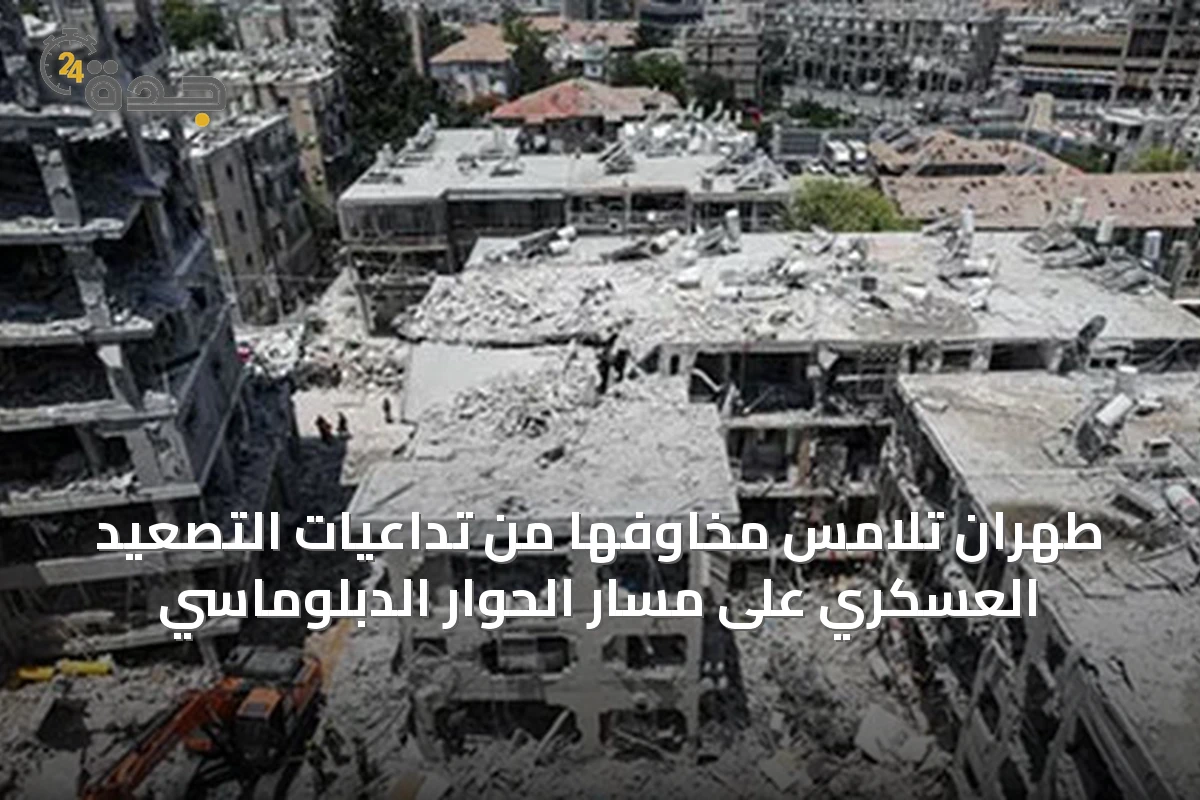
Tehran expressed holding the United States responsible for the renewed military clashes with Israel, indicating that recent developments cannot be separated from the American context involving support and coordination. This comes amid continued diplomatic efforts aimed at crafting an agreement to stop the ongoing conflict in the Middle East.
Military Escalation and Perception of American Responsibility
The spokesperson for the Iranian Foreign Ministry stated during his weekly press conference that any large-scale military operation carried out by Israel cannot be conducted without prior coordination with Washington. He explained that from Tehran’s perspective, American policies constitute a fundamental factor in the regional security landscape.
Renewed Fighting Between Iran and Israel
The spokesperson highlighted the resumption of exchanges of strikes between the two sides since Sunday night, the first direct escalation since the ceasefire agreement took effect on April 8th. He noted that this renewal has raised fears of a collapse of the truce and a return to a more intense phase of conflict.
Impact of Field Events on Diplomatic Efforts
The spokesperson pointed out that recent military developments could leave a clear impact on the ongoing negotiations between Tehran and Washington, which seek to establish understandings to end the war and limit regional tensions. He explained that it is natural for the path of diplomatic dialogue to be affected by field events and the escalating military situation.
Continued Dialogue Channels Despite Challenges
Despite warnings about the repercussions of the escalation, Tehran affirmed that it is not closing the door to dialogue, indicating that political communications continue through existing diplomatic channels. The spokesperson stated that the exchange of messages and consultations with the United States takes place via the Pakistani mediator, emphasizing that diplomatic work continues even under complex security conditions.
The spokesperson added that these consultations are part of efforts aimed at containing the crisis and preventing its expansion, noting that continued communication between the parties reflects a genuine desire to preserve opportunities for reaching an agreement, despite field difficulties.
This stance comes at a time when indirect negotiations between Iran and the United States face a new test following the return of military tension, as international and regional parties fear that escalation could undermine the progress achieved in recent weeks, especially with each side holding firm to its conditions regarding ending the war and regional security arrangements.
Tehran
Middle East
Iran
Golestan Palace
Azadi Tower
Persepolis
Naqsh-e Jahan Square
Related news

Zamalek secures its 15th Egyptian league title after a hard-fought win over Ceramica Cleopatra.

Active winds in the Eastern region and thunderstorms in 4 areas.

Actress Zeina Emad speaks exclusively ahead of her two upcoming shows.
Saudi Arabia Opens Its Pavilions at Beijing and Seoul Book Fairs as Part of a Comprehensive Cultural Program.