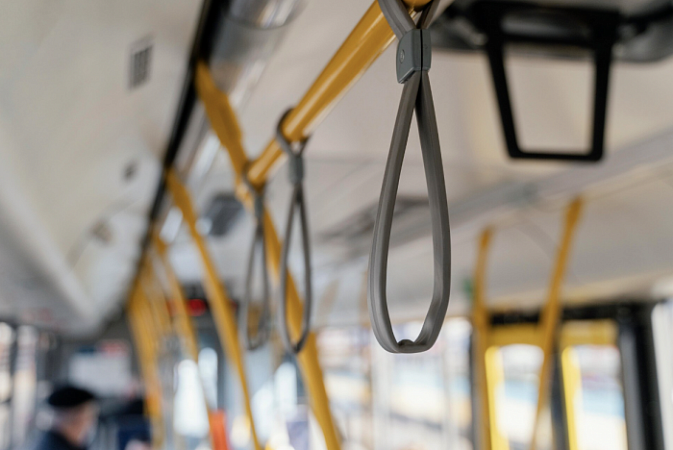
Krasnodar, January 11. Starting January 12, the route for bus number 19 in Krasnodar will be changed, according to the city’s Department of Transport and Road Infrastructure.
The changes were initiated by residents of the Novoznamensky settlement. The bus will no longer travel along Bogatyrskaya Street; instead, it will proceed along Tsentralnaya Street and then return to Vyezdnaya Street.
Two new stops will be added on the new section of the route: Malakhitovaya Street and Georgiya Zhukova Street.
“We ask passengers to be more attentive. The changes will be reflected on Yandex.Maps starting January 12,” the statement says.
Krasnodar
Krasnodar is a major city in southern Russia, founded in 1793 as a fortress named Yekaterinodar (meaning “Catherine’s Gift”) in honor of Empress Catherine the Great. It served as the historical and cultural center of the Kuban Cossacks before being renamed Krasnodar (“Red Gift”) in 1920 following the Russian Revolution. Today, it is a vibrant administrative and economic hub for the fertile Kuban region.
Novoznamensky settlement
The Novoznamensky settlement is an archaeological site in Russia’s Lipetsk Oblast, representing a fortified settlement from the early period of the Russian state (likely 11th-13th centuries). It served as a military and administrative outpost on the southeastern frontier of the Principality of Ryazan, protecting it from nomadic steppe tribes. Excavations have revealed remnants of earthen ramparts, wooden fortifications, and artifacts that provide insight into the life of early Slavic settlers in the region.
Bogatyrskaya Street
Bogatyrskaya Street is a major thoroughfare in the Primorsky District of Saint Petersburg, Russia. Historically, the area was developed in the late 19th and early 20th centuries as a residential district, and the street is named after the *bogatyrs*, the legendary heroic warriors of Russian folklore. Today, it is known for its mix of pre-revolutionary buildings, Soviet-era architecture, and modern residential complexes.
Tsentralnaya Street
Tsentralnaya Street (meaning “Central Street”) is a common name for the main thoroughfare in many towns and cities across Russia and other post-Soviet states. Historically, these streets were often renamed or developed as the primary commercial and social hubs during the Soviet era, replacing older, sometimes ecclesiastical, centers. Today, a typical Tsentralnaya Street usually features a mix of Soviet-era architecture, modern shops, and administrative buildings, serving as the functional heart of the community.
Vyezdnaya Street
Vyezdnaya Street is a historic thoroughfare in the city of Perm, Russia, originally developed in the 18th century as part of the Siberian Route, a major trade and exile road. It is known for its preserved 19th-century merchant houses and architectural ensemble, reflecting the city’s importance as a trading hub during the Russian Empire. Today, it serves as a cultural landmark and a popular pedestrian street, showcasing Perm’s historical heritage.
Malakhitovaya Street
Malakhitovaya Street is a historic thoroughfare in the city of Yekaterinburg, Russia. It was named in the 19th century for the nearby Malakhitovaya mine, which was a significant source of malachite, a green mineral highly valued for decorative arts. Today, it is a central street known for its preserved 19th-century architecture and cultural significance.
Georgiya Zhukova Street
Georgiya Zhukova Street is a thoroughfare found in many cities across Russia and other post-Soviet states, named in honor of Marshal Georgy Zhukov, a legendary Soviet military commander during World War II. The street’s history is intrinsically linked to the Soviet era, when numerous public spaces were renamed to commemorate national heroes and victories in the Great Patriotic War. Today, it serves as a common tribute to Zhukov’s role in the defeat of Nazi Germany.
Kuban
Kuban is a historical and geographical region in southern Russia, centered around the Kuban River and primarily encompassing the Krasnodar Krai territory. Historically, it was a contested frontier, inhabited by Circassian peoples before coming under the control of the Russian Empire in the late 18th and 19th centuries, followed by significant Cossack settlement. Today, it is known as a fertile agricultural area, a hub for Black Sea tourism, and a region with a distinct cultural identity shaped by its Cossack, Caucasian, and Russian heritage.