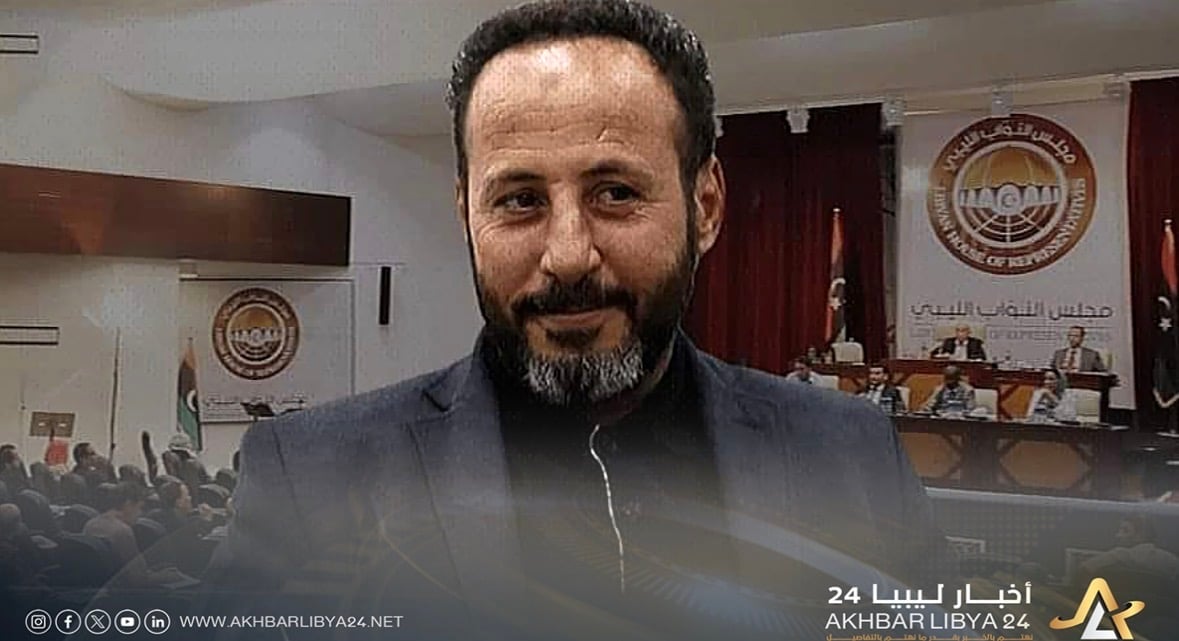
A member of the House of Representatives confirmed that approving the budget of the High National Elections Commission at this time is a fundamental step to completing the required entitlements from the legislative authority, and primarily aims to remove any pretexts that might be exploited to obstruct or postpone the electoral process.
He explained that the House of Representatives dealt with the Commission’s budget according to the approved legal frameworks, noting that the procedures related to its approval were carried out under the supervision of the Council’s Finance Committee, ensuring transparency and financial discipline, and guaranteeing the Commission’s ability to perform its duties without administrative or financial obstacles.
-
The House of Representatives dealt with the Commission’s budget according to the approved legal frameworks
He added that approving the budget reflects Parliament’s commitment to supporting the electoral process and responding to the requirements of the High National Elections Commission, especially regarding preparing the necessary administrative and technical infrastructure to accomplish the electoral entitlement in its various stages.
-
The House of Representatives responded to the Commission’s demands
He pointed out that the House of Representatives responded to the Commission’s demands regarding completing its administrative structures in a number of cities, which contributes to enhancing its field readiness, ensuring the smooth running of the electoral process, and providing suitable conditions to enable citizens to exercise their constitutional right to vote.
The member of the House of Representatives noted that these steps come within the framework of Parliament’s endeavor to achieve alignment with the international path and work to create the appropriate political and legal climate for holding elections on their scheduled date.
-
The Council has set its sights on the goal of completing the elections by mid-April 2026
He affirmed that the Council has set its sights on the goal of completing the elections by mid-April 2026, considering it a pivotal station to end the successive transitional phases.
He concluded by emphasizing that supporting the Commission and enabling it financially and administratively represents a clear message of the House of Representatives’ seriousness in advancing the democratic path and overcoming obstacles that previously prevented the holding of elections, thereby achieving the aspirations of Libyans for stability and building permanent institutions.