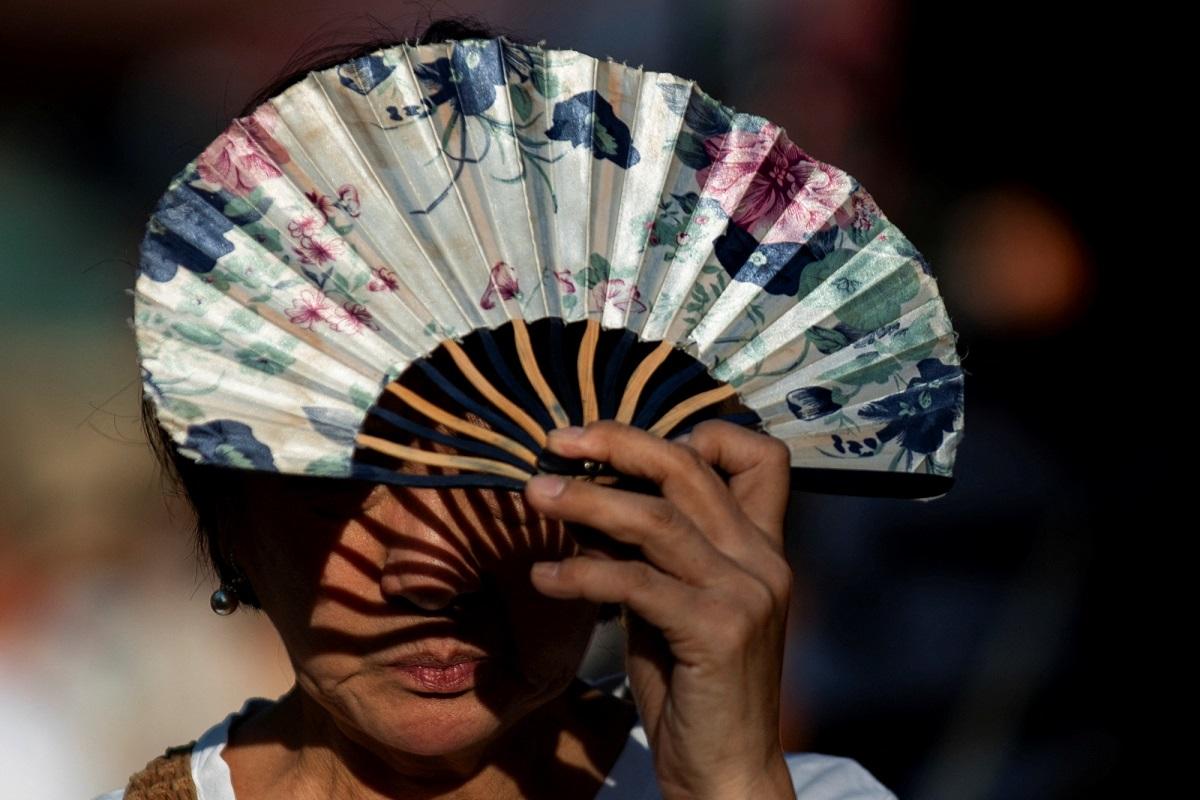
Ten areas under ‘danger’ level heat index on June 4, 2026.
Ten areas in the country are expected to experience “danger” level heat index on Friday, May 29, the state weather bureau said.
Based on the five-day heat index forecast, the following areas may record heat index levels ranging from 42°C to 49°C:
49°C
Infanta, Quezon
44°C
Roxas City, Capiz
43°C
Alabat, Quezon City
Cuyo, Palawan
BIA-Daraga, Albay
Zamboanga City, Zamboanga del Sur
42°C
Tuguegarao City, Cagayan
Mambusao, Capiz
Borongan, Eastern Samar
Guiuan, Eastern Samar
Meanwhile, over 60 other areas are expected to experience “extreme caution” heat index levels ranging from 36°C to 41°C.
There are two areas also expected to experience “caution” heat index levels: Abucay, Bataan (30°C) and Tanay, Rizal (32°C).
The following areas are expected to record “not hazardous” heat index levels, or below 27°C:
Baguio City, Benguet – 23°C
BSU, La Trinidad, Benguet – 23°C
Benguet Radar, Tuba, Benguet – 16°C
The heat index refers to the temperature felt by the human body when relative humidity is combined with actual air temperature. High humidity slows the evaporation of sweat, making it more difficult for the body to cool down.
The state weather bureau advised the public to limit their time outside and use umbrellas or caps when outdoors. The bureau also recommended drinking lots of water and avoiding intake of tea, coffee, and sodas.
Infanta, Quezon
Infanta is a coastal municipality in Quezon Province, Philippines, known for its scenic beaches and lush mountain landscapes. Historically, it served as a refuge for the Philippine government during World War II, when it briefly became the seat of the Commonwealth government after Manila fell to Japanese forces. Today, it is a popular destination for eco-tourism and outdoor activities like surfing and river trekking.
Roxas City, Capiz
Roxas City, located in the province of Capiz on Panay Island in the Philippines, is known as the “Seafood Capital of the Philippines” for its abundant marine resources. The city was named after former Philippine President Manuel Roxas, a native of Capiz, and was officially chartered in 1951. Its history includes a blend of pre-colonial settlements, Spanish colonial influence, and a thriving fishing industry that continues to define its culture and economy.
Alabat, Quezon City
Alabat is a barangay (neighborhood) located in Quezon City, Philippines. Historically, it was part of the vast Diliman Estate, which was subdivided and developed in the mid-20th century as Quezon City expanded. Today, Alabat is a residential and commercial area, known for its accessibility and proximity to major roads and establishments.
Cuyo, Palawan
Cuyo, Palawan, is a historic municipality in the Philippines known for its well-preserved Spanish colonial heritage. It is home to the Cuyo Fort, a stone fortress built in the 17th century by Spanish missionaries and later used by the Augustinian Recollects to protect the island from Moro raiders. Today, the fort houses a church and a convent, making it a key cultural and historical landmark in the region.
BIA-Daraga, Albay
BIA-Daraga, Albay refers to the town of Daraga in the province of Albay, Philippines, which is historically known for its transfer from the original settlement of Cagsawa after the devastating 1814 eruption of Mayon Volcano. The town is home to the iconic Daraga Church (Our Lady of the Gate Parish), a Baroque-style structure built in 1773 using volcanic stones, which survived the eruption and stands as a testament to the region’s resilience. Today, Daraga is a popular tourist destination, offering stunning views of Mayon Volcano and serving as a gateway to nearby natural and cultural attractions.
Tuguegarao City, Cagayan
Tuguegarao City is the capital of Cagayan province in the Philippines, known as the “Gateway to the Ilocos Region and the Cagayan Valley.” It was established as a mission settlement by Spanish Dominican friars in the early 17th century and later became a city in 1999. The city is famous for its historic baroque-style St. Peter’s Cathedral, as well as its vibrant culture and role as a commercial and educational hub in northeastern Luzon.
Baguio City, Benguet
Baguio City, located in the province of Benguet in the Philippines, is a popular mountain resort city known for its cool climate and scenic landscapes. Originally established by the American colonial government in the early 1900s as a summer capital, it was designed by architect Daniel Burnham and has since become a major center for education, tourism, and the region’s thriving vegetable trade. The city also preserves the cultural heritage of the indigenous Igorot people, with sites like Burnham Park and the Baguio Cathedral reflecting its unique blend of history and natural beauty.
Benguet Radar, Tuba, Benguet
The Benguet Radar, located in Tuba, Benguet, Philippines, is a historic meteorological and military facility built atop Mount Santo Tomas. Originally constructed by the Americans before World War II, it served as a key early warning radar station for the defense of Luzon. Today, the site is known for its scenic views and remnants of wartime history, attracting tourists and hikers.