The National Food Authority (NFA) has freed up warehouse space for the fresh procurement of palay after the successful auction of nearly 90% of its ageing rice stocks last week.
In a statement, the NFA administrator said they sold a total of 32.5 million kilos of rice for an average price of 28 pesos per kilo.
“We are very pleased with the results, which allowed us to raise 936.5 million pesos compared to the target amount of 912.4 million pesos from the entire lot,” the administrator said.
The agency is now validating the bid documents before finalizing all sale contracts.
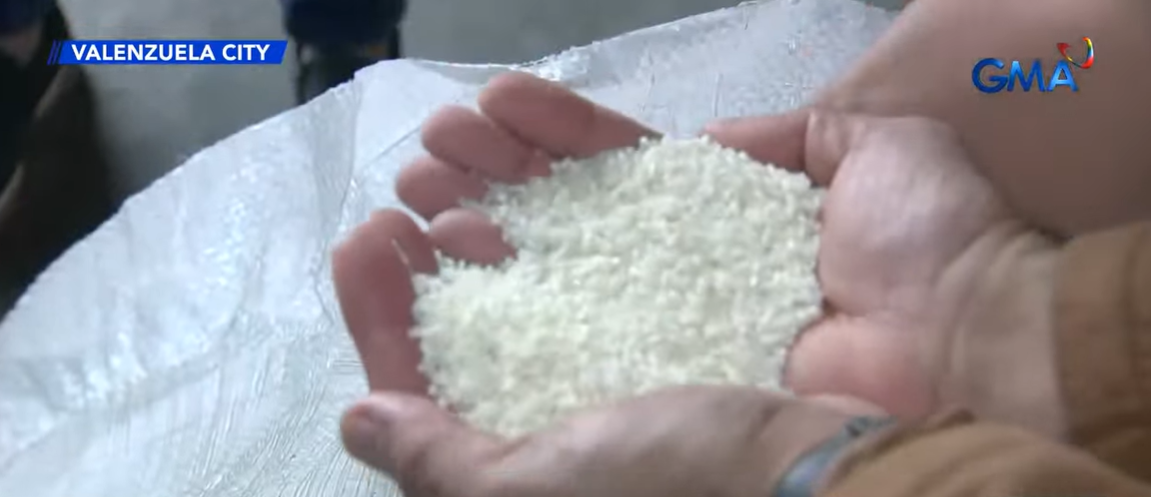
Earlier, the NFA said it would hold an auction for stocks that had been stored in its Valenzuela City warehouse between three to 18 months.
“Of the 83 lots offered, the NFA secured tenders for 57 lots, equivalent to 604,364 bags or 88 percent of total volume. Thirty-nine bidders purchased bid documents, though only 19 are expected to secure contracts,” the agency said.
It will use the freed-up warehouse space for the palay it will procure from local farmers at a minimum of 17 pesos per kilo for wet palay and a floor price of 21 pesos per kilo for dry palay.
The dry harvest season for rice is expected to peak between April and May.
“With added liquidity and expanded storage capacity in the coming months, the NFA is positioning itself to step up market intervention as harvest season advances, aiming to support farmgate prices while keeping buffer stocks manageable,” the NFA added.