Filtered by: Topstories
Iran’s newly created Persian Gulf Strait Authority said in a post on X on Wednesday there will be a “controlled maritime zone” at the Strait of Hormuz.
The authority, which was set to manage the strait, set the zone as the “line connecting Kuh-e Mobarak in Iran and southern Fujairah in the UAE at the eastern side of the strait, to the line connecting the end of Qeshm Island in Iran and Umm Al Quwain in the UAE at the western side of the strait.”
It said transit through the area to pass through the strait would require coordination and authorization from the authority.
Strait of Hormuz
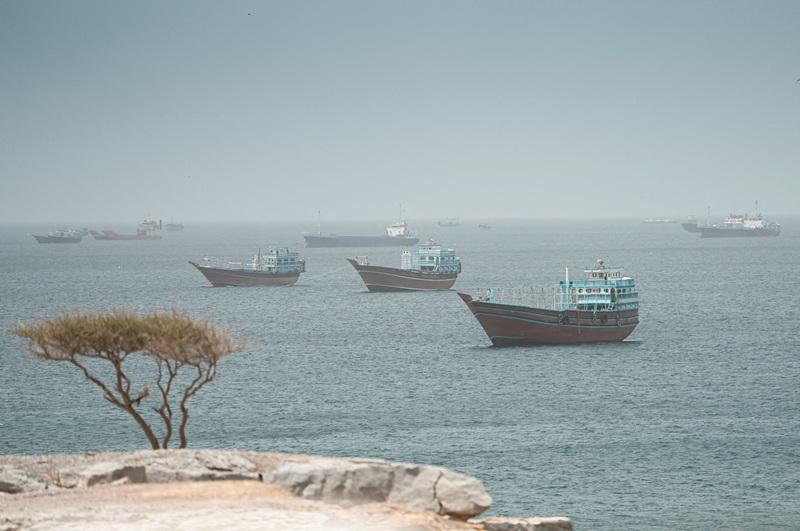
The Strait of Hormuz is a narrow, strategically vital waterway connecting the Persian Gulf to the Gulf of Oman and the open ocean. Historically, it has been a key maritime chokepoint for global oil shipments, with its control contested by regional powers for centuries, including the Portuguese Empire in the 16th century. Today, it remains critical to global energy security, as roughly one-fifth of the world’s petroleum passes through its waters.
Kuh-e Mobarak
Kuh-e Mobarak, meaning “Blessed Mountain,” is a historical and cultural site located in the city of Bam, Iran. It served as a strategic fortification and a place of refuge during the Safavid and Qajar eras, with its elevated position offering panoramic views of the surrounding landscape. The site is also associated with local legends and religious significance, adding to its cultural value in the region.
Fujairah
Fujairah is the only emirate in the United Arab Emirates located entirely on the eastern coast, along the Gulf of Oman, known for its rugged mountains and historic forts. Its history dates back thousands of years, with significant archaeological sites like the Bithnah Fort and the Fujairah Fort, which was built in the 16th century and served as a defensive stronghold. The area was historically a key trading port and has maintained its cultural heritage while developing into a modern tourist destination.
Qeshm Island
Qeshm Island is the largest island in the Persian Gulf, belonging to Iran, and has a history dating back thousands of years as a key trading post along maritime routes. Its strategic location has attracted various empires, including the Portuguese who occupied it in the 16th century. Today, the island is known for its unique geological formations, such as the Hara mangrove forests and the Valley of the Stars, as well as its rich cultural heritage.
Umm Al Quwain
Umm Al Quwain is one of the seven emirates of the United Arab Emirates, located on the Arabian Gulf coast. Its history dates back thousands of years, with archaeological sites like Tell Abraq revealing Bronze Age settlements and trade links. The emirate is known for its traditional fishing and pearling heritage, as well as landmarks such as the 18th-century Al Ali Fort and the Umm Al Quwain Museum, which showcase its cultural and historical significance.