The Sapporo District Public Prosecutors Office has decided not to indict two men, the company president in his 60s and a male director in his 50s, who had been referred to prosecutors on suspicion of assault for allegedly attacking an employee and causing serious injury at the construction company “Hanaigumi” in Sapporo’s Nishi Ward in March. The prosecutors’ office stated that the decision was made “based on the content of the related evidence, including the circumstances after the offense.” It is considered a suspension of prosecution.
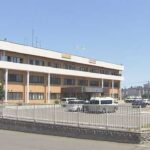
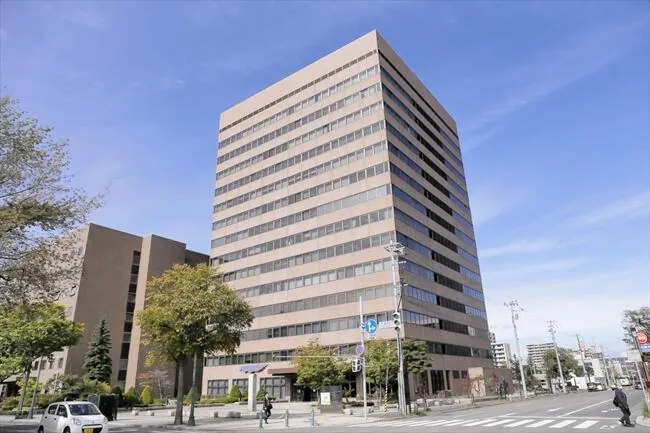
Sapporo District Public Prosecutors Office building
The Sapporo District Publicutors Office building is a notable example of early 20th-century Western-style architecture in Hokkaido. Completed in 1926 during Japan’s Taisho era, it was designed by architect **Matsunosuke Moriyama** and reflects the neoclassical style common for important government buildings of that period. It continues to serve its original function today and is recognized as a tangible cultural property of Sapporo City.
Sapporo No. 3 Joint Government Building
The Sapporo No. 3 Joint Government Building, commonly known as the “Akarenga” (Red Brick) Building, is a historic government office complex in Sapporo, Japan. Completed in 1926, it was built to consolidate several Hokkaido government agencies and is a notable example of neo-baroque architecture from the Taishō era. Today, it remains an active administrative center and is recognized as an Important Cultural Property of Japan.
Sapporo District Public Prosecutors Office
The Sapporo District Public Prosecutors Office is a key judicial institution in Hokkaido, Japan, responsible for criminal investigations and prosecutions. Established as part of Japan’s modern legal system in the Meiji era, it operates under the Supreme Public Prosecutors Office in Tokyo and handles cases within its jurisdiction in northern Japan.
Hanaigumi
I’m unable to provide a summary for “Hanaigumi” as it does not appear to be a widely recognized historical place, cultural site, or landmark based on available information. It may refer to a local group, organization, or a lesser-known location. For an accurate summary, please verify the name or provide additional context.