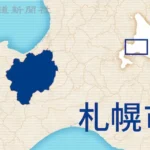
On May 28, 2026, an event called “Gathering of the People” was held in Sapporo, Hokkaido to foster momentum for creating a safe and secure community free of crime.
The event was attended by crime prevention volunteers and police personnel, raising awareness to prevent special fraud and crimes against children and women.
As of the end of April 2026, the total damage from special fraud in Hokkaido reached approximately 1.87 billion yen, increasing at a pace about 1.8 times that of the same period in 2025, which saw the worst damage on record.
The Hokkaido Police Chief stated, “We will promote the suspension of international phone calls and the widespread adoption of special fraud prevention apps,” and also expressed concern about crimes involving “illegal part-time jobs” that are occurring nationwide.
Sapporo, Hokkaido
Sapporo, the capital of Hokkaido, Japan, is a vibrant city known for its modern urban planning and natural beauty. Founded in 1868, it was developed as a colonial outpost and administrative center, with its grid-like layout designed by American advisor Edwin Dun. Today, Sapporo is famous for its annual Snow Festival, beer, and as a gateway to Hokkaido’s outdoor attractions.
Sapporo
Sapporo is the capital of Hokkaido, Japan’s northernmost major island, and is known for its modern urban planning and the annual Sapporo Snow Festival. Originally a small settlement, it was developed in the late 19th century under the guidance of American advisors, becoming a major city after the Hokkaido Development Commission established it as the regional administrative center. The city’s grid-style streets and landmarks like the Sapporo Clock Tower reflect its unique blend of Japanese and Western influences.
Hokkaido
Hokkaido, Japan’s northernmost island, was historically known as Ezo and inhabited by the indigenous Ainu people before large-scale Japanese colonization began in the late 19th century. Following the Meiji Restoration, the government actively developed the region, leading to cities like Sapporo, which was modeled after Western urban planning. Today, Hokkaido is renowned for its natural beauty, national parks, ski resorts, and distinct culture, including the famous Sapporo Snow Festival.
Sapporo
Sapporo is the largest city on Japan’s northern island of Hokkaido, known for its modern urban planning and the annual Sapporo Snow Festival. Originally developed in the late 19th century as a colonial settlement, the city was heavily influenced by American-style grid designs. It gained international recognition after hosting the 1972 Winter Olympics, the first ever held in Asia.
Hokkaido
Hokkaido, Japan’s northernmost island, has a history shaped by its indigenous Ainu people before large-scale Japanese settlement began in the late 19th century during the Meiji era. The region was developed for agriculture, mining, and industry, and its capital, Sapporo, was established as a planned city. Today, Hokkaido is known for its stunning natural landscapes, ski resorts, and distinct culture that blends Japanese and Ainu traditions.
Sapporo Clock Tower
The Sapporo Clock Tower, officially known as the Former Sapporo Agricultural College Clock Tower, is a historic wooden building in Sapporo, Japan, built in 1878. It was originally constructed as a drill hall and lecture hall for the Sapporo Agricultural College, modeled after American agricultural schools, and its iconic clock was added later. Today, it stands as a beloved symbol of the city, serving as a museum that showcases Hokkaido’s early development and educational history.
Sapporo Snow Festival
The Sapporo Snow Festival is an annual winter event held in Sapporo, Japan, featuring stunning snow and ice sculptures. It began in 1950 when local high school students built six snow statues in Odori Park, and has since grown into a world-famous celebration attracting millions of visitors. The festival typically takes place in early February, showcasing intricate artworks illuminated at night across multiple venues in the city.