
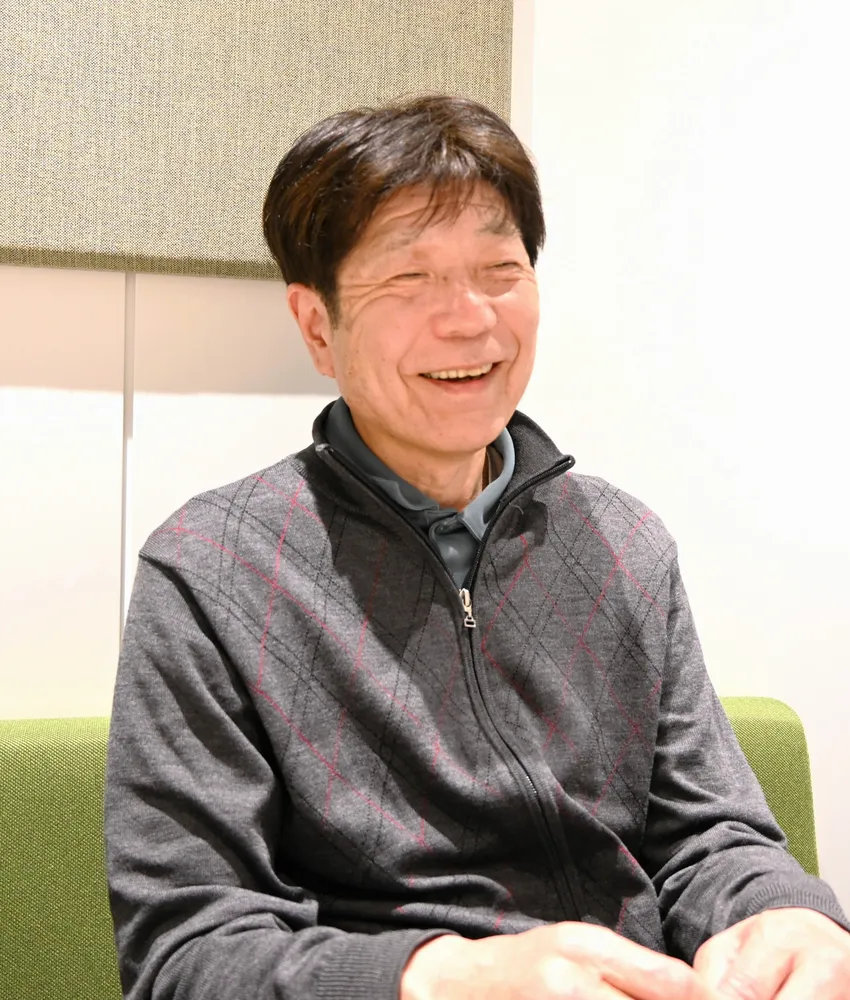
“Words are knowledge.” So says Takeshi Oshima (69), a Russian interpreter based in Sapporo. He has supported visa-free exchanges to the Northern Territories and Hokkaido’s governor’s exchanges with Russia as an interpreter.
Sapporo
Sapporo is the capital city of Hokkaido, Japan, known for its modern urban design and the annual Sapporo Snow Festival. Originally developed in the late 19th century as a planned city under the guidance of American advisors, it has grown from a small settlement into a major cultural and economic hub. Key attractions include the Sapporo Beer Museum, Odori Park, and the historic Clock Tower, which reflect the city’s blend of Western and Japanese influences.
Northern Territories
The Northern Territories, also known as the Kuril Islands dispute, refers to a group of four islands—Etorofu, Kunashiri, Shikotan, and the Habomai Islets—located off the coast of Hokkaido, Japan. Historically, Japan claimed sovereignty over these islands until they were seized by the Soviet Union at the end of World War II in 1945, leading to a territorial dispute that continues to this day. The unresolved issue has prevented the signing of a formal peace treaty between Japan and Russia.
Hokkaido
Hokkaido, Japan’s northernmost island, has a distinct history as a frontier region, originally inhabited by the indigenous Ainu people before Japanese colonization began in earnest during the Meiji era (late 19th century). Known for its vast natural landscapes, national parks, and cold winters, it developed through agriculture, mining, and tourism. Today, Hokkaido is famous for its ski resorts, lavender fields, and seafood, blending modern culture with its unique natural heritage.
Sapporo
Sapporo is the capital city of Hokkaido, Japan’s northernmost island, and is known for its modern urban planning and natural beauty. Originally an Ainu settlement, it was developed by Japanese colonists in the late 19th century, inspired by Western grid-style city layouts. The city gained international fame for hosting the 1972 Winter Olympics and is celebrated for its annual Sapporo Snow Festival, beer, and ramen.
Northern Territories
The Northern Territories, also known as the Kuril Islands dispute, refers to a group of four islands claimed by both Russia and Japan. The islands were annexed by the Soviet Union at the end of World War II in 1945, and the dispute has prevented the two countries from signing a formal peace treaty. The ongoing territorial disagreement remains a significant issue in Russo-Japanese relations.
Hokkaido
Hokkaido, Japan’s northernmost main island, was historically known as Ezo and was primarily inhabited by the indigenous Ainu people before large-scale Japanese settlement began in the late 19th century during the Meiji era. Its development accelerated after the establishment of the Hokkaido Development Commission in 1869, which transformed the region through agriculture, mining, and infrastructure projects. Today, Hokkaido is renowned for its natural beauty, including national parks, ski resorts, and the annual Sapporo Snow Festival.</div
Sapporo
Sapporo is the largest city on Japan’s northern island of Hokkaido, known for its modern urban planning and the annual Sapporo Snow Festival. Originally a small settlement, it was developed in the late 19th century under the Hokkaido Development Commission, drawing inspiration from Western city designs. Today, it is celebrated for its beer, ski resorts, and as the host city of the 1972 Winter Olympics.
Northern Territories
The Northern Territories, also known as the Kuril Islands, are a group of islands disputed between Russia and Japan since the end of World War II. The Soviet Union seized the islands in 1945, and Japan continues to claim sovereignty over four of them—Etorofu, Kunashiri, Shikotan, and the Habomai islets. The dispute has prevented the two nations from signing a formal peace treaty, remaining a key issue in their bilateral relations.
Hokkaido
Hokkaido, Japan’s northernmost island, was historically inhabited by the Ainu people before large-scale Japanese colonization began in the late 19th century. It developed rapidly during the Meiji era as a frontier for agriculture and resource extraction, with the city of Sapporo serving as its administrative center. Today, Hokkaido is known for its natural landscapes, ski resorts, and distinct culture, including its famous annual Snow Festival.
Sapporo Beer Museum
The Sapporo Beer Museum, located in Hokkaido, Japan, is a historic red-brick building that originally opened in 1903 as the Sapporo Sugar Company’s factory before being converted into a beer museum. It chronicles the history of Sapporo Beer, one of Japan’s oldest beer brands, which was first brewed in 1876 by German-trained brewmaster Seibei Nakagawa. Visitors can explore exhibits on the brewing process, view vintage equipment, and enjoy tastings of freshly brewed beer at the adjacent beer hall.
Odori Park
Odori Park is a large, rectangular green space stretching over 1.5 kilometers through the heart of Sapporo, Japan. Originally established in the late 19th century as a firebreak and central dividing line for the city, it has since become a cultural hub hosting major events like the Sapporo Snow Festival. The park features gardens, fountains, and seasonal beauty, making it a popular gathering place for both locals and tourists.
Clock Tower
The Clock Tower is a historic landmark often found in city centers, originally built to tell time and serve as a civic symbol. Many clock towers date back to the medieval or Victorian era, such as London’s iconic Big Ben, which was completed in 1859 as part of the Palace of Westminster. These structures have become enduring symbols of their cities, often surviving wars and urban development.
Sapporo Snow Festival
The Sapporo Snow Festival is a major winter event held annually in Sapporo, Japan, featuring enormous, intricately carved snow and ice sculptures. It began in 1950 when local high school students built a few snow statues in Odori Park, and it has since grown into a world-famous celebration. The festival typically takes place in early February and attracts millions of visitors to view spectacular artworks illuminated at night.
Related news
Sapporo Symphony Orchestra to Feature ‘Hitaru Series’ Concert with Schteide as Soloist and Conductor on the 19th
On the 19th at 7:00 PM, the Sapporo Symphony Orche...
Tsuchiya Holdings appoints Mr. Suenaga as temporary director.
Tsuchiya Holdings (Sapporo) announced on the 1st t...

Tick-borne SFTS infection confirmed in Hokkaido; pets also at risk.
A case of Severe Fever with Thrombocytopenia Syndr...
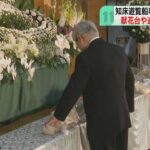
Memorial service held for 4th anniversary of Shiretoko sightseeing boat sinking, with flower stand set up; victims’ families expected to attend in Shari, Hokkaido.
Today marks four years since the sightseeing boat ...