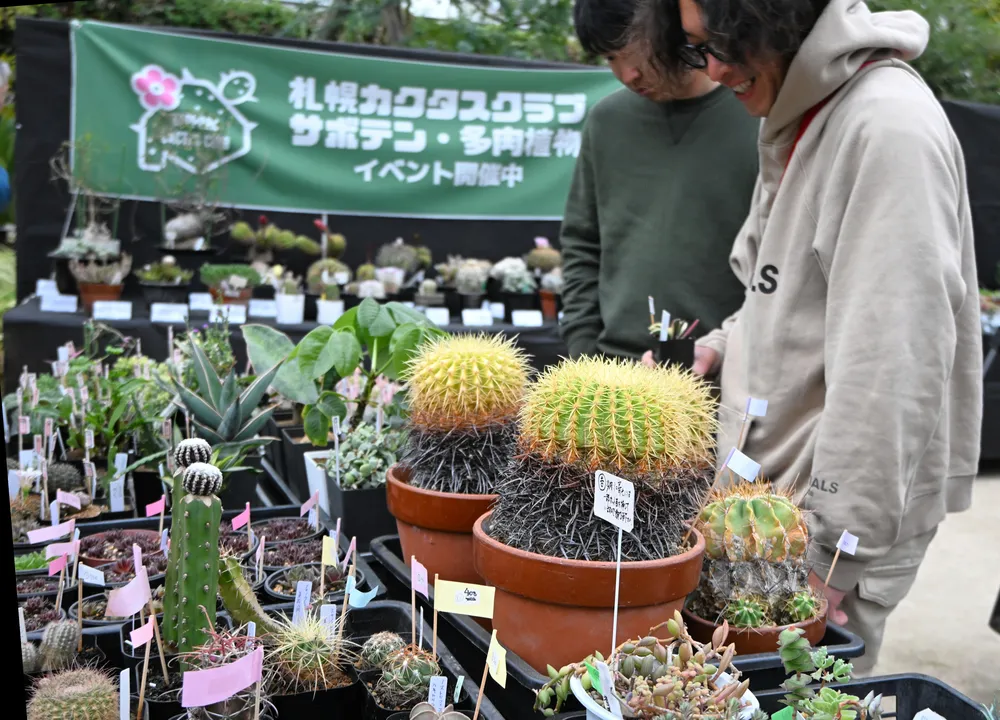
A “Cactus and Succulent Exhibition,” featuring cacti and other plants grown by local gardening enthusiasts in Hokkaido, began on the 19th at the Yurigahara Park Green Center’s large greenhouse in Kita-ku, Sapporo.
Yurigahara Park Green Center
Yurigahara Park Green Center is a botanical garden and greenhouse located in Nagaoka, Japan, known for its seasonal flower displays and tropical plant collections. The park was developed as part of a larger urban green space initiative, with the Green Center opening to provide educational and recreational opportunities for visitors. Its history reflects a commitment to environmental conservation and community engagement, offering a year-round escape into nature.
Large Greenhouse in Kita-ku, Sapporo
The large greenhouse in Kita-ku, Sapporo, is part of the Sapporo Botanical Garden, which was established in 1886 as a center for agricultural research during Hokkaido’s early development. The greenhouse, built in the early 20th century, showcases a diverse collection of tropical and subtropical plants, reflecting the region’s history of scientific exploration and horticulture. It remains a popular attraction for visitors interested in both botany and the cultural heritage of Sapporo.
Yurigahara Park Green Center
Yurigahara Park Green Center is a botanical and cultural facility located in Toyama, Japan, known for its stunning seasonal flower displays, particularly lilies and tulips. Established as part of the larger Yurigahara Park, it features greenhouses, themed gardens, and educational exhibits that highlight regional horticulture. The center also serves as a community space for workshops and events, blending natural beauty with local heritage.
Large Greenhouse in Kita-ku, Sapporo
The Large Greenhouse in Kita-ku, Sapporo, is a notable horticultural facility located within the Sapporo Agricultural Experiment Farm, a historic site dating back to the 19th century. Originally established to support agricultural research and plant cultivation in Hokkaido’s cold climate, the greenhouse showcases a variety of plants and flowers, often hosting seasonal exhibitions. It serves as both an educational resource and a tranquil green space for visitors interested in botany and the region’s agricultural heritage.
Sapporo Botanical Garden
The Sapporo Botanical Garden, located in Hokkaido, Japan, was established in 1886 as a research facility for Hokkaido University. It features a diverse collection of native and exotic plants, along with a museum that highlights the region’s natural history and indigenous Ainu culture. The garden also includes the remains of an ancient settlement, offering a glimpse into the area’s pre-modern era.
Yurigahara Park Green Center
Yurigahara Park Green Center is a botanical garden and cultural facility located in Niigata, Japan, known for its vibrant seasonal flower displays and greenhouses. Originally opened in 1992 as part of the larger Yurigahara Park, it features a tropical plant house, a cactus and succulent garden, and educational exhibits on horticulture. The center serves as a peaceful retreat for visitors, offering both recreational spaces and insights into plant cultivation.
Large Greenhouse in Kita-ku, Sapporo
The Large Greenhouse in Kita-ku, Sapporo, is part of the Sapporo Botanical Garden, established in 1886 during the Hokkaido development era. It houses a diverse collection of tropical and subtropical plants, reflecting the region’s history of agricultural and botanical research. The greenhouse remains a popular educational and recreational site, showcasing plant life from warmer climates in a northern setting.
Sapporo Botanical Garden
The Sapporo Botanical Garden, established in 1886, is a historic research and educational facility affiliated with Hokkaido University. It features a diverse collection of native and exotic plants, as well as a museum showcasing the natural history of Hokkaido. The garden also includes remnants of the original Hokkaido Development Commission buildings, offering a glimpse into the region’s early modernization.
Sapporo Agricultural Experiment Farm
The Sapporo Agricultural Experiment Farm, established in 1876, was a pioneering institution in Japan’s northern island of Hokkaido, designed to introduce modern Western farming techniques to the region. Founded with the help of American agricultural expert William S. Clark, it played a crucial role in the development of local agriculture and the cultivation of crops suited to the cold climate. Today, the site is preserved as a historical landmark, featuring original buildings and fields that reflect its legacy in Japan’s agricultural modernization.