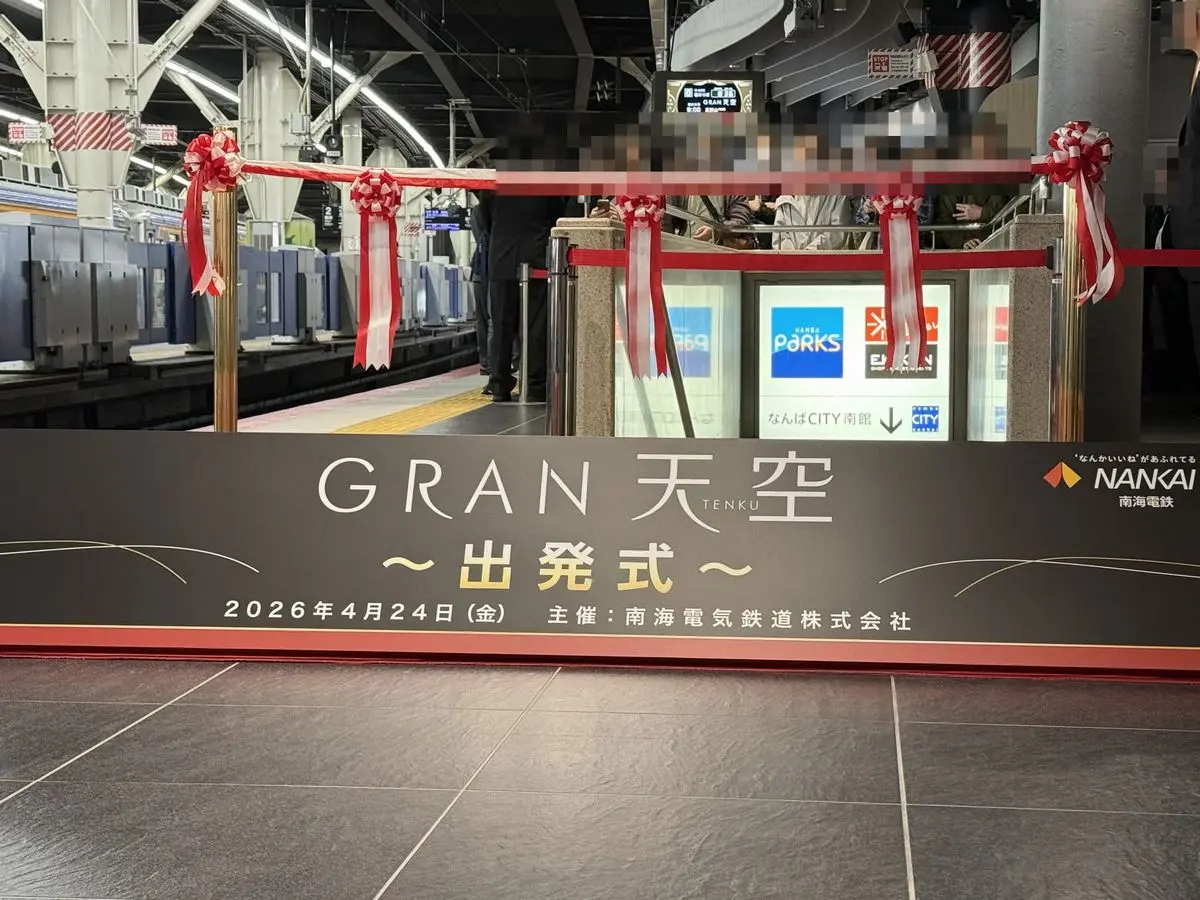
An event was held at Nankai Namba Station in Chuo Ward, Osaka, and we were invited to attend!
“GRAN Tenku” is a new sightseeing train operated by Nankai Electric Railway, connecting Nankai Namba Station to Nankai Gokurakubashi Station in Wakayama Prefecture.
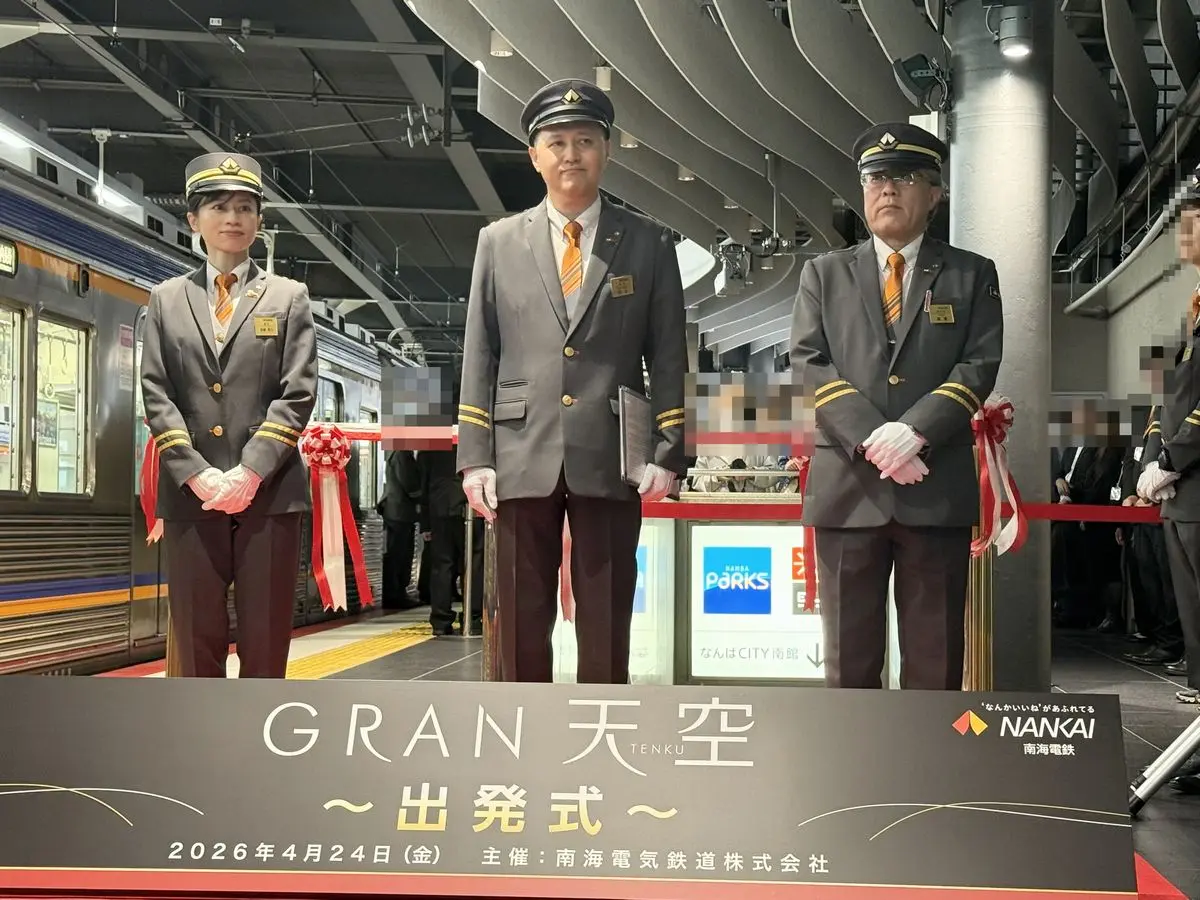
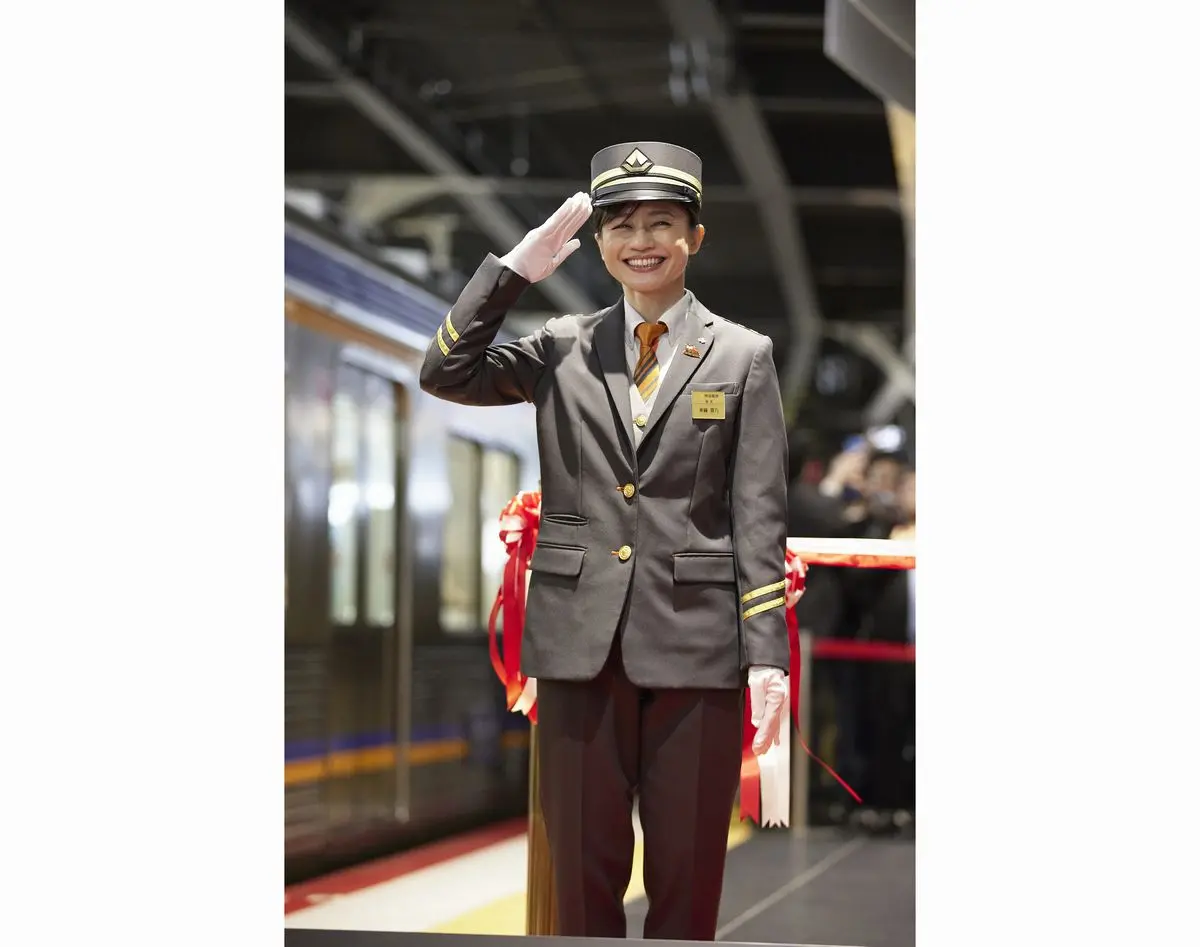
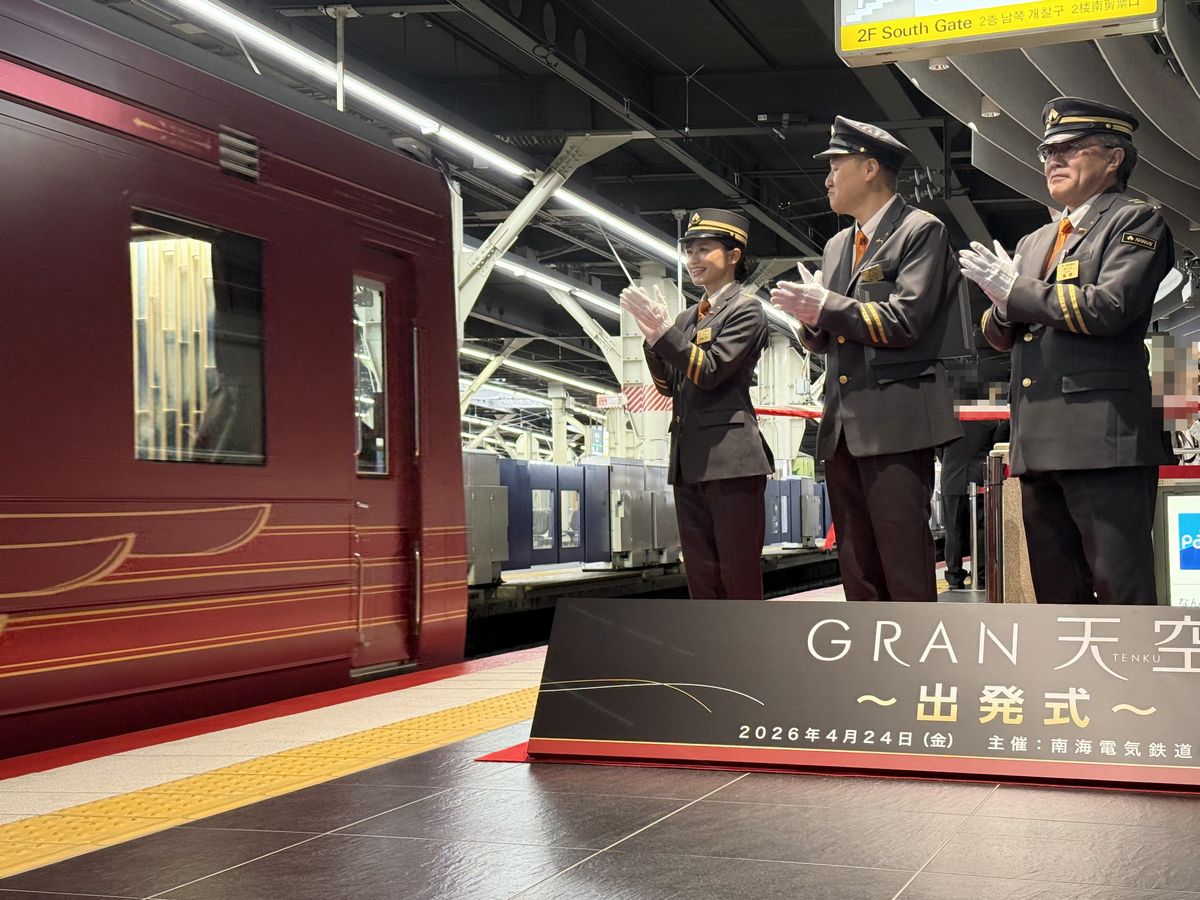
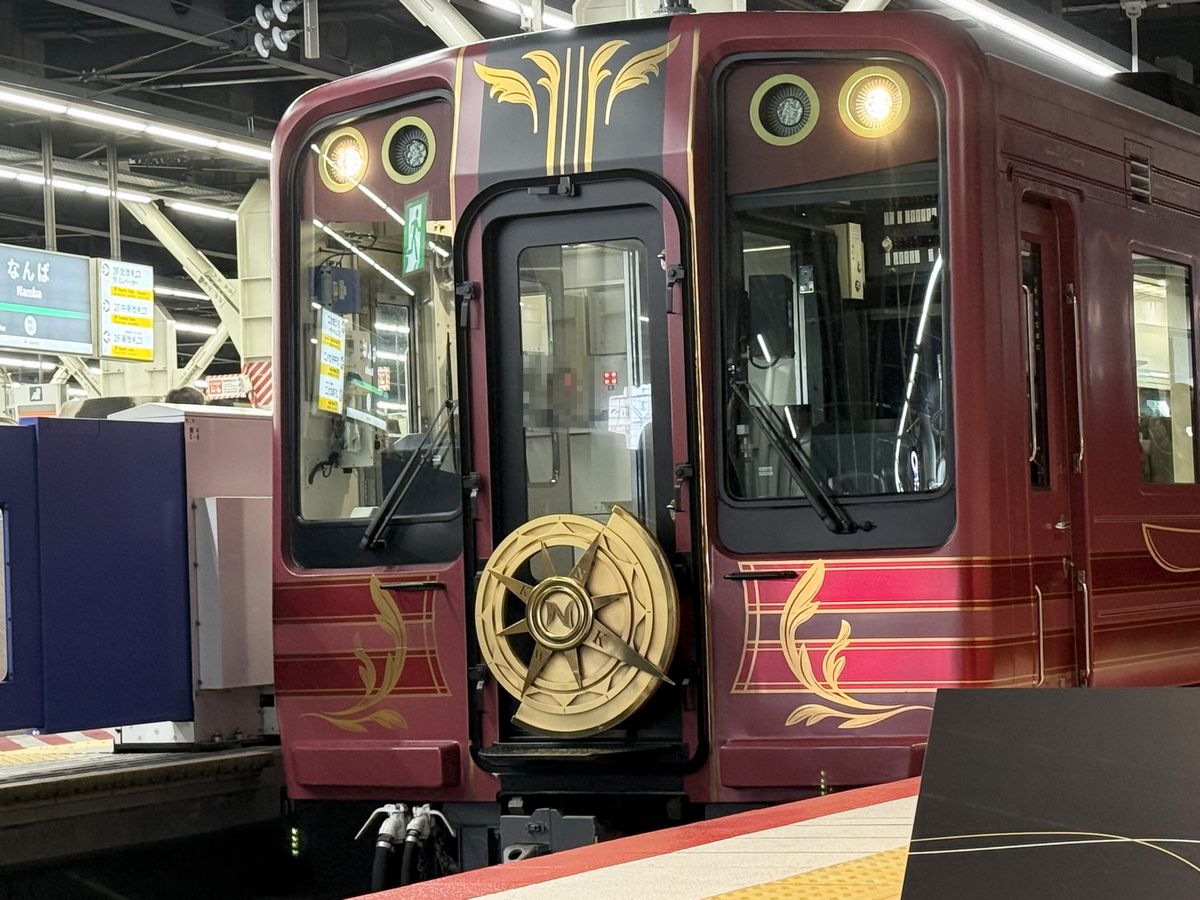
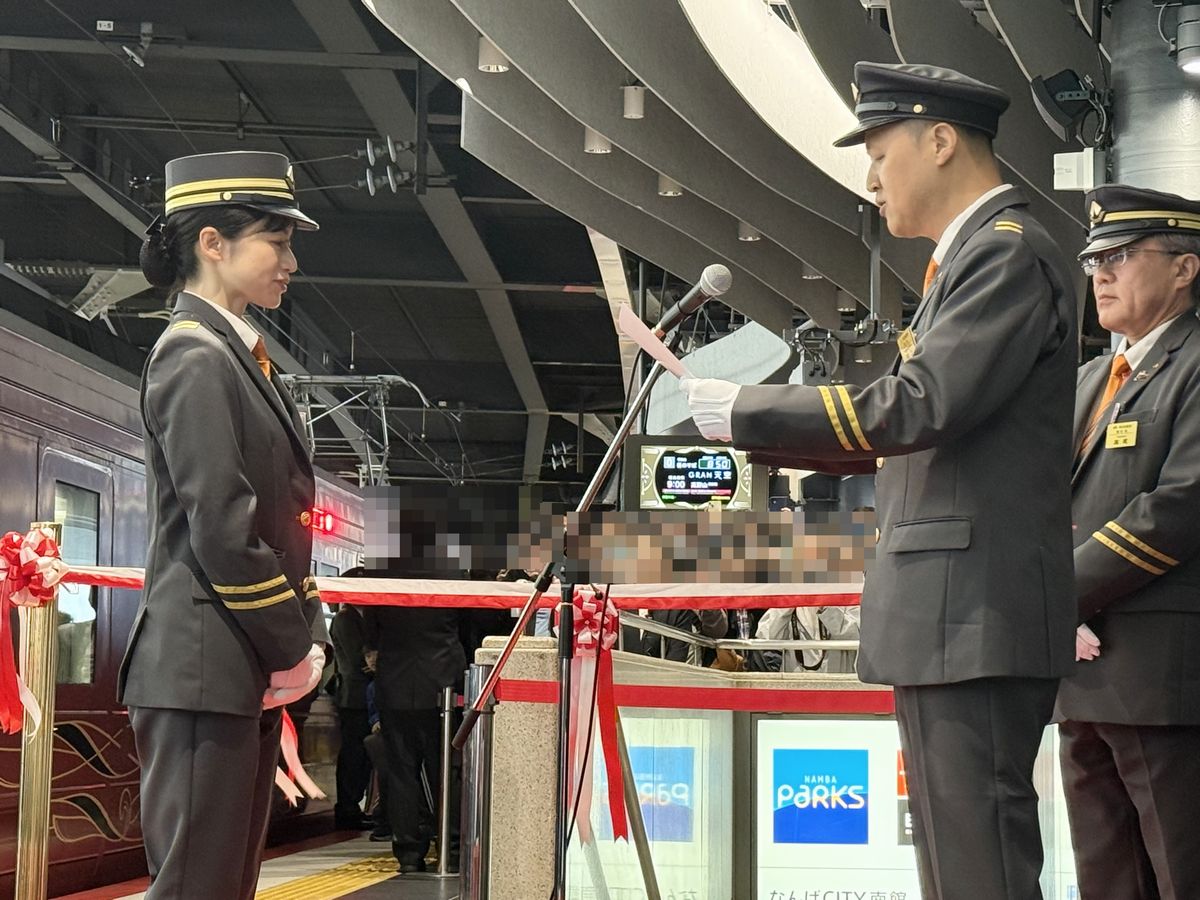
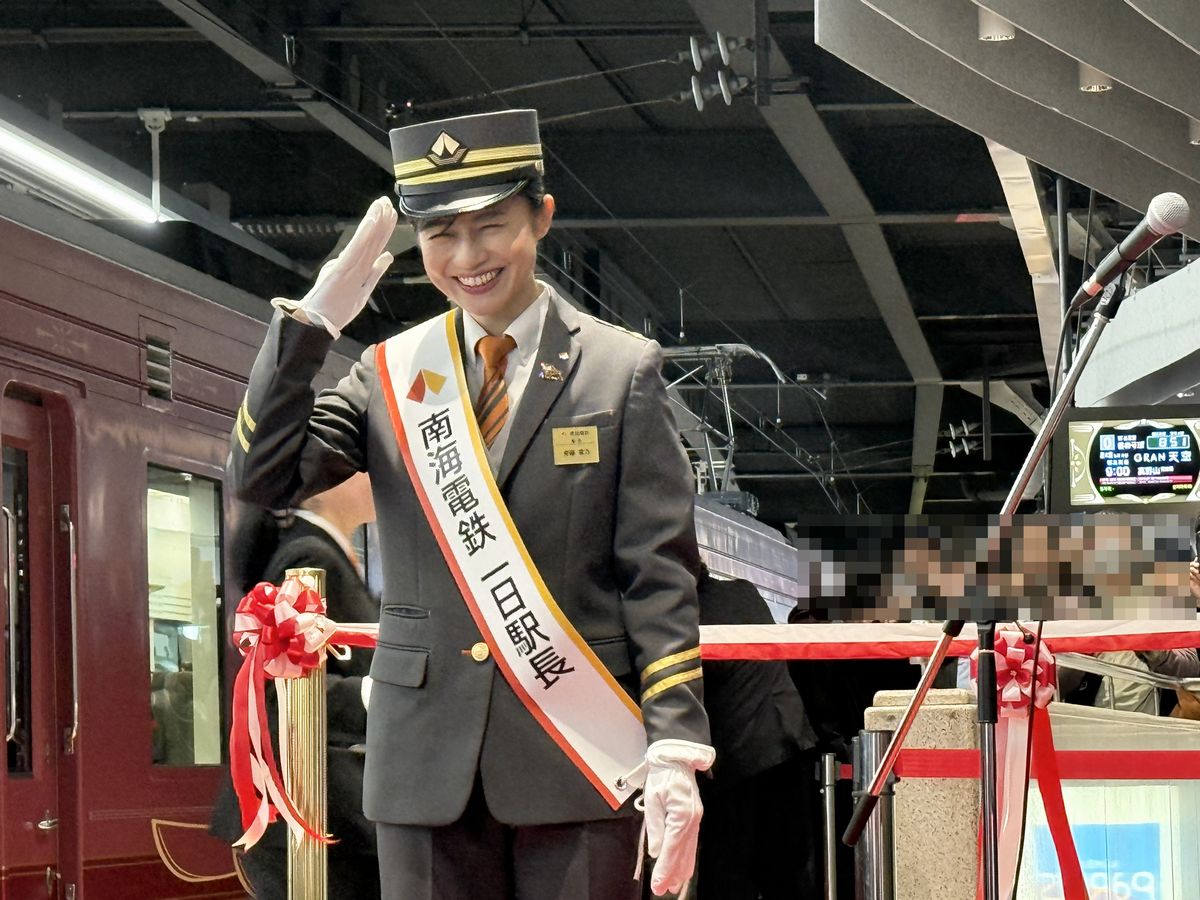
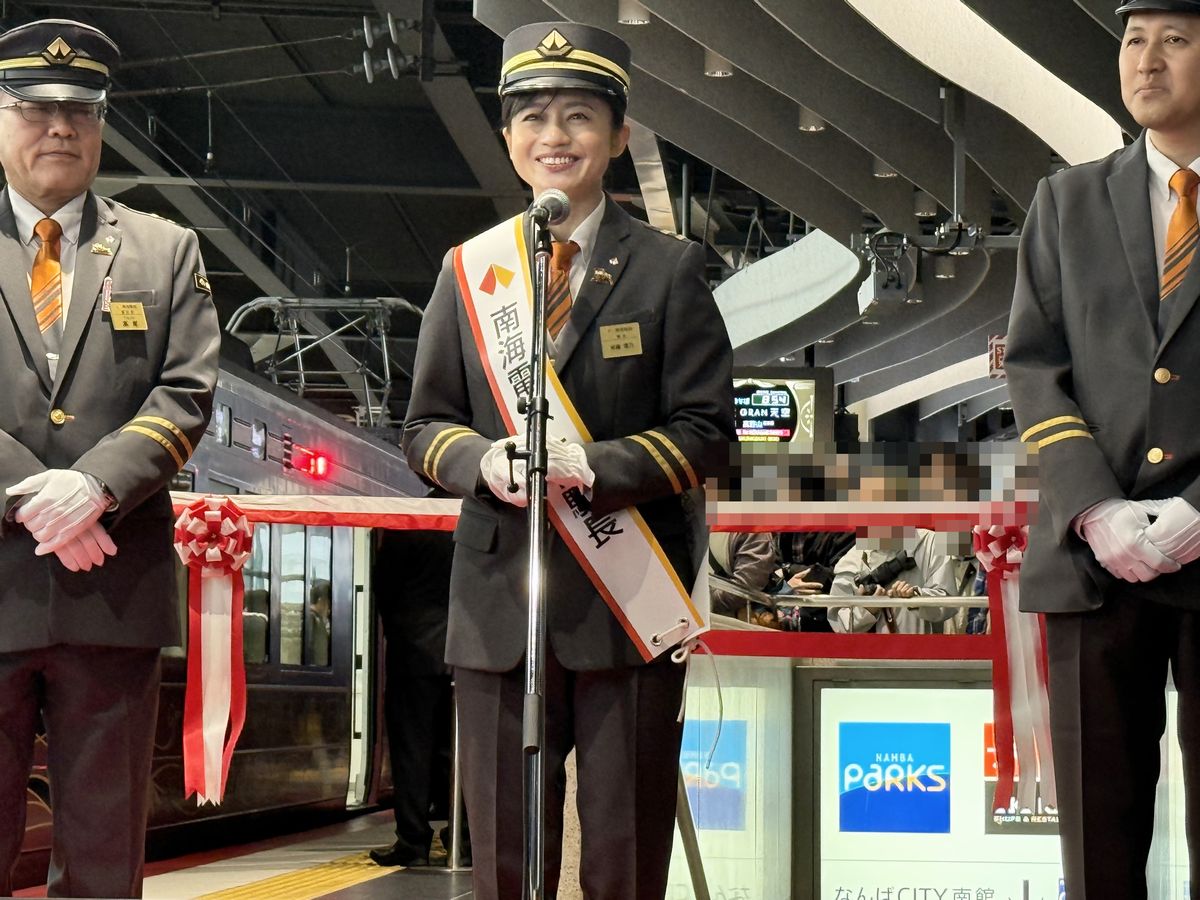
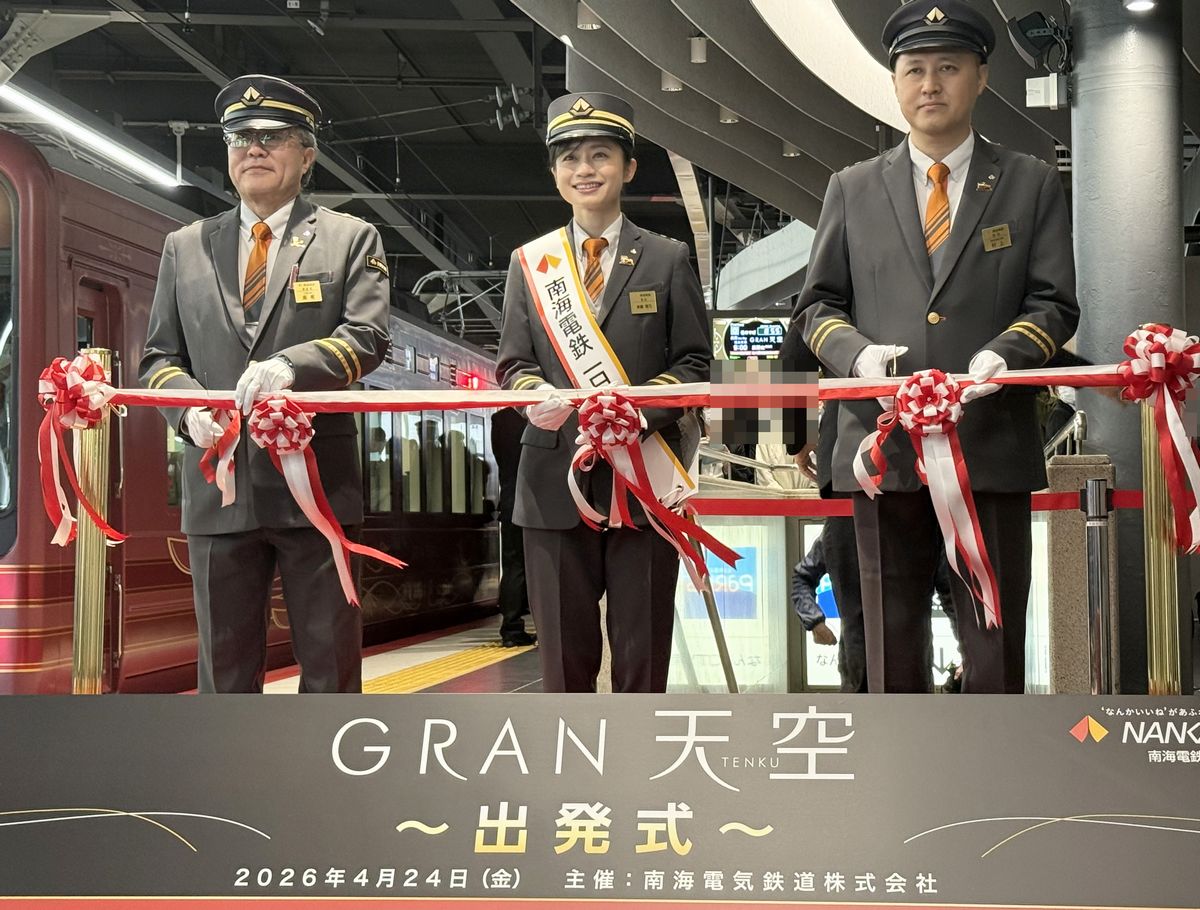
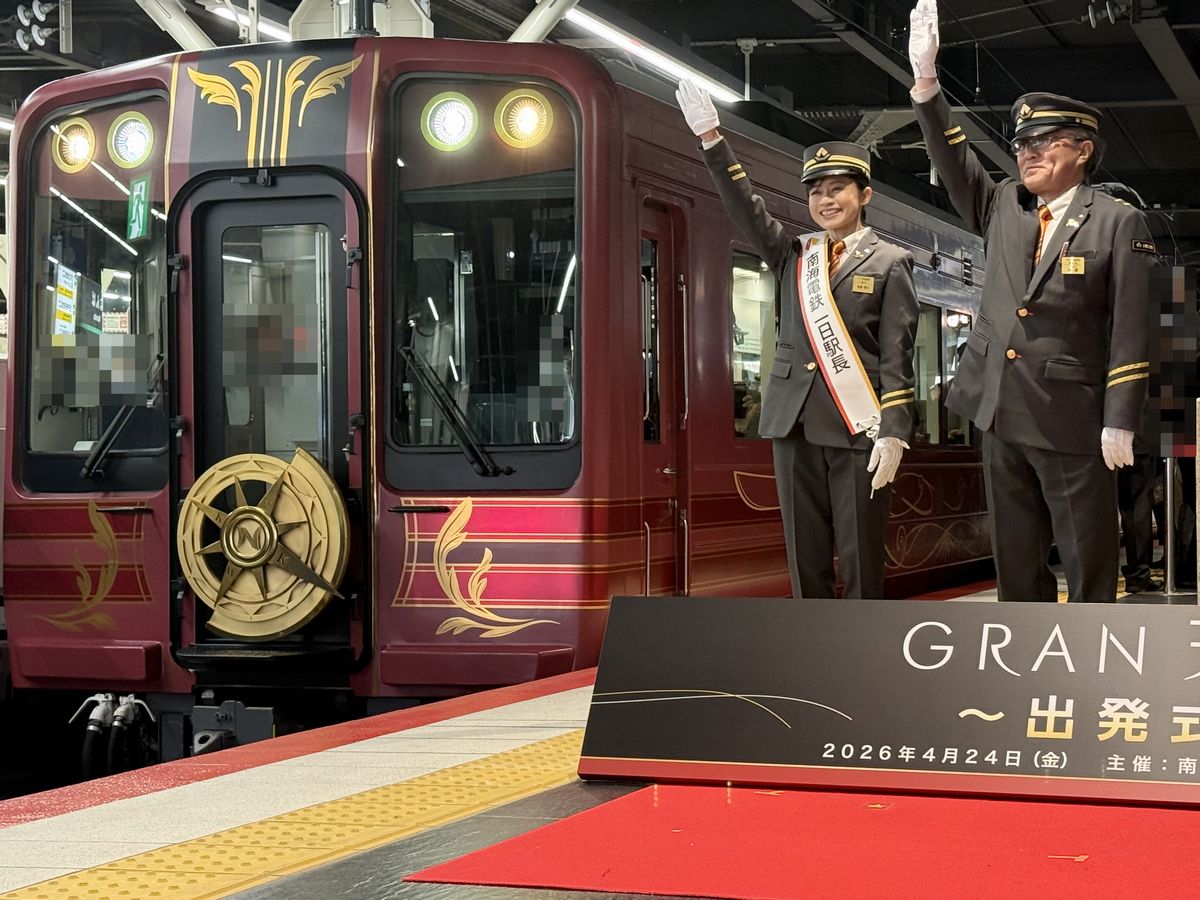
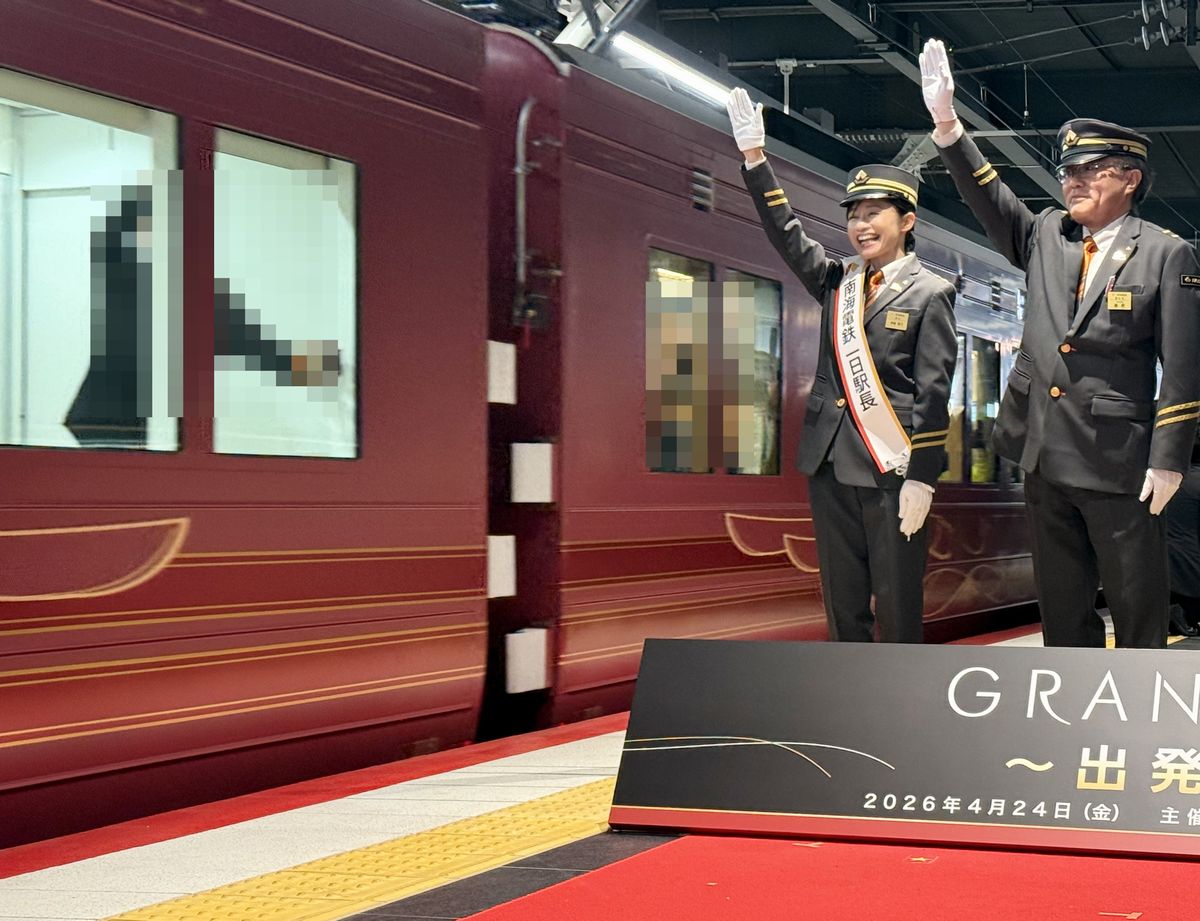
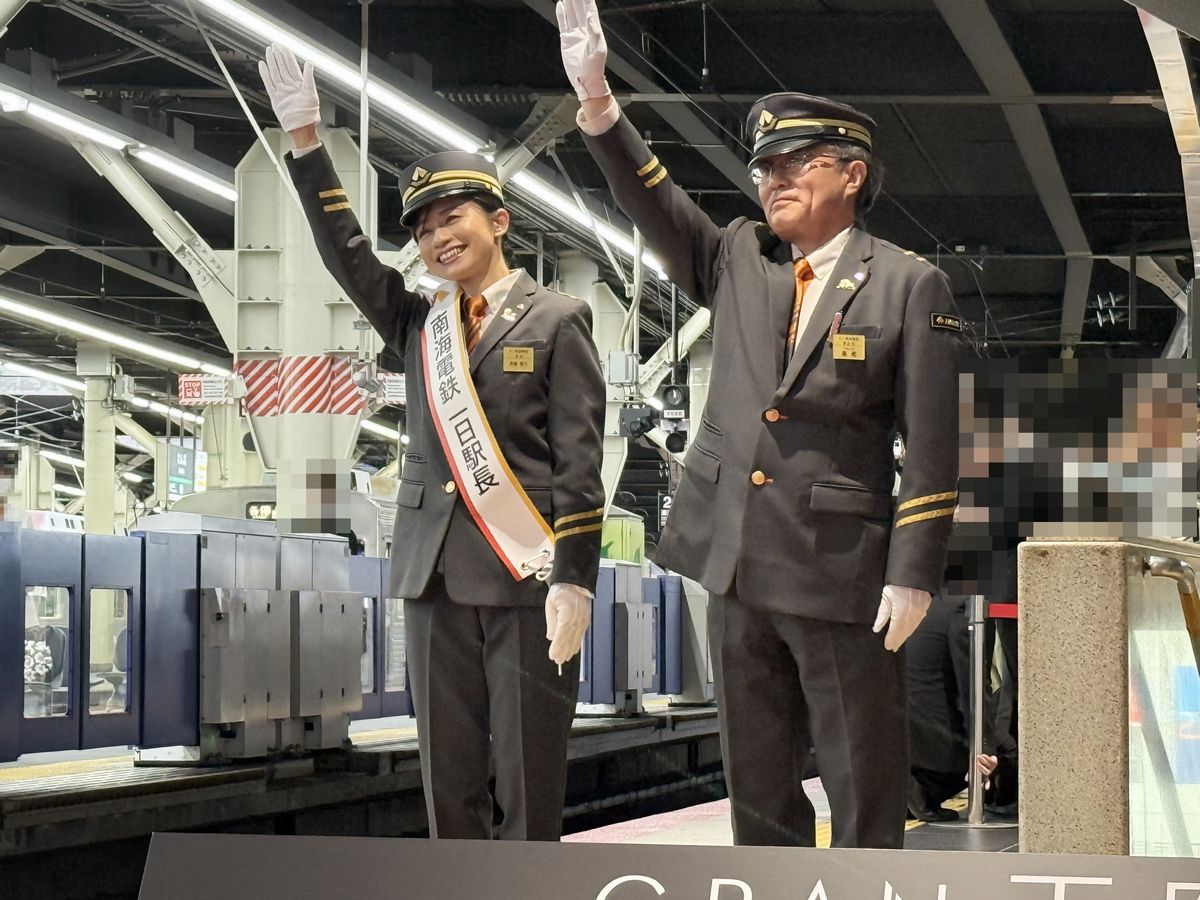
“GRAN Tenku” adds new charm as a sightseeing train for access from Osaka’s Namba to the Mount Koya area in Wakayama Prefecture, and we look forward to even more global attention in the future.
For details on future operations and ticket<div class="my-4 p-4 rounded-lg shadow-md bg-blue-50 border-l
Nankai Namba Station
Nankai Namba Station is a major railway terminal in Osaka, Japan, serving as the primary hub for the Nankai Electric Railway. Opened in 1885, it connects Osaka to Wakayama and Kansai International Airport, playing a key role in regional transport. The station’s modern facilities and integration with shopping complexes make it a bustling gateway for travelers and commuters alike.
Chuo Ward
Chuo Ward is a central special ward in Tokyo, Japan, known for its historic and commercial significance. It was established in 1947 through the merger of Nihonbashi and Kyobashi wards, and it has long been a hub for trade and finance, with landmarks like the iconic Nihonbashi Bridge and the Ginza shopping district. Today, it blends traditional culture with modern business, serving as a key economic center in Tokyo.
Osaka
Osaka is a major city in Japan with a rich history as a key commercial and cultural hub, dating back to the 5th century. It was once the capital of Japan during the 16th century under Toyotomi Hideyoshi, who built the iconic Osaka Castle. Today, the city is known for its vibrant food culture, modern architecture, and historic landmarks like the castle and Shitennō-ji temple.
Nankai Gokurakubashi Station
Nankai Gokurakubashi Station is a scenic railway stop in Mount Koya, Wakayama Prefecture, Japan, serving as the gateway for visitors traveling to the sacred Buddhist temple complex of Koyasan. Originally opened in 1930, the station is the final stop on the Nankai Koya Line’s cable car section, connecting passengers to the mountain’s spiritual sites. Its name, meaning “Paradise Bridge,” reflects the area’s historical role as a pilgrimage destination for followers of Shingon Buddhism, founded by Kobo Daishi in the 9th century.
Wakayama Prefecture
Wakayama Prefecture, located on the Kii Peninsula in Japan, is renowned for its rich natural beauty and historical significance. It is home to the sacred Kumano Sanzan shrine complex and the ancient Buddhist monastery of Mount Koya (Koyasan), both part of UNESCO World Heritage sites. Historically, the region served as a center for Shugendo mountain asceticism and was ruled by the powerful Kishu Tokugawa clan during the Edo period.
Mount Koya area
Mount Koya (Koyasan) is a sacred Buddhist mountain in Wakayama Prefecture, Japan, founded in 819 CE by the monk Kūkai (Kōbō Daishi), the founder of Shingon Buddhism. The area is home to a vast temple complex, including the famous Okunoin mausoleum where Kūkai is said to be in eternal meditation, surrounded by a sprawling cemetery. Today, it remains a major pilgrimage site and a UNESCO World Heritage site, offering visitors a chance to stay in temple lodgings and experience traditional Buddhist culture.