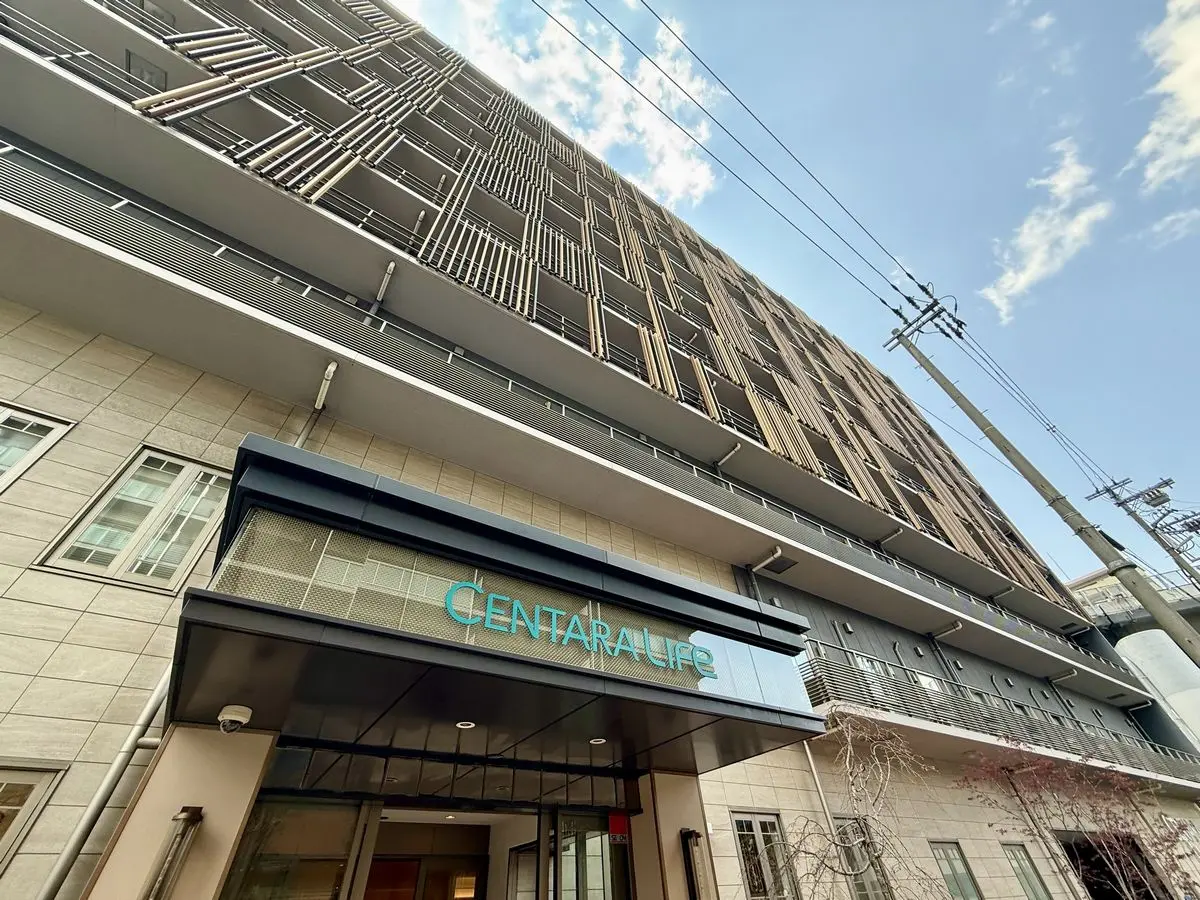
According to the explanation, ‘Centara Life Namba Hotel Osaka’ will open as the first lifestyle hotel under the ‘Centara Hotels & Resorts’ brand, a leading hotel brand from Thailand.
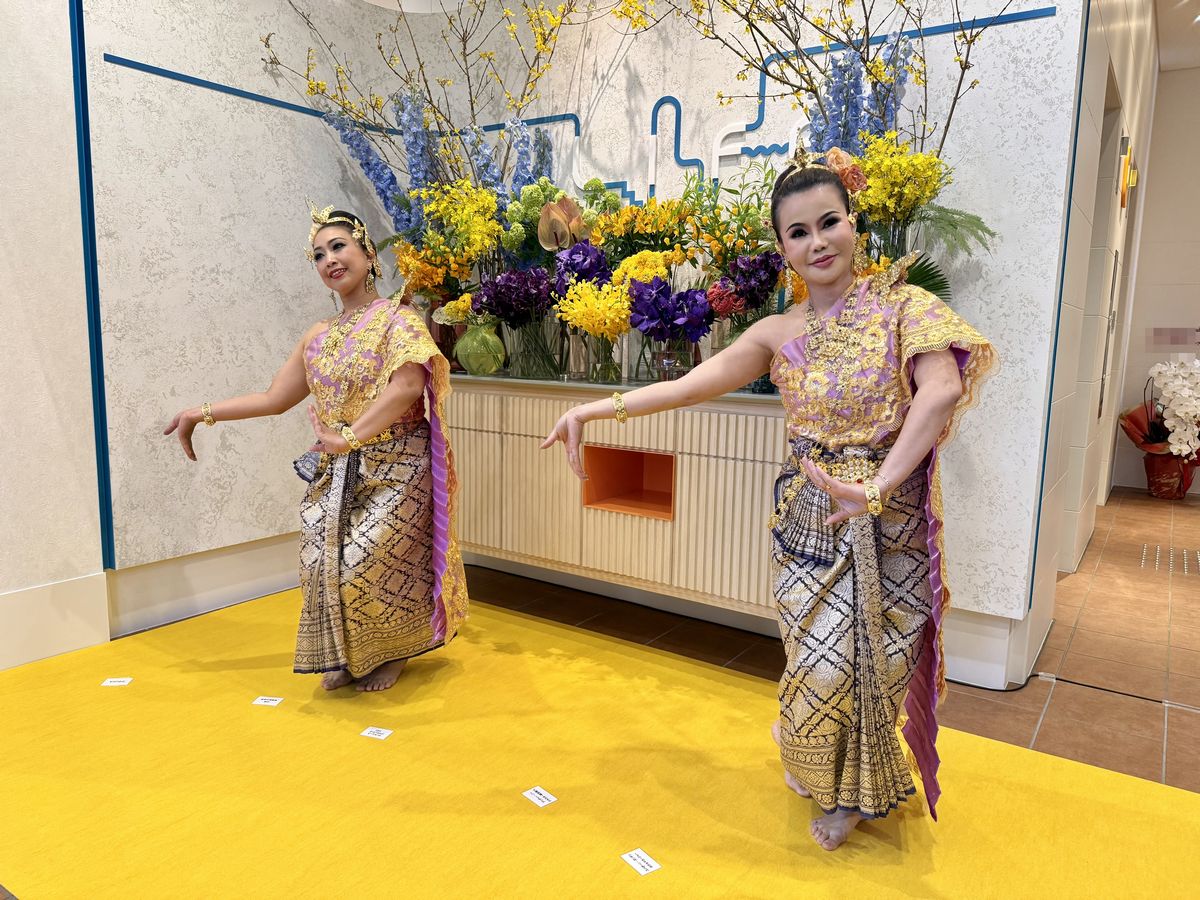
The ceremony began with a traditional Thai dance performance, with vibrant costumes and elegant movements brightening the venue.
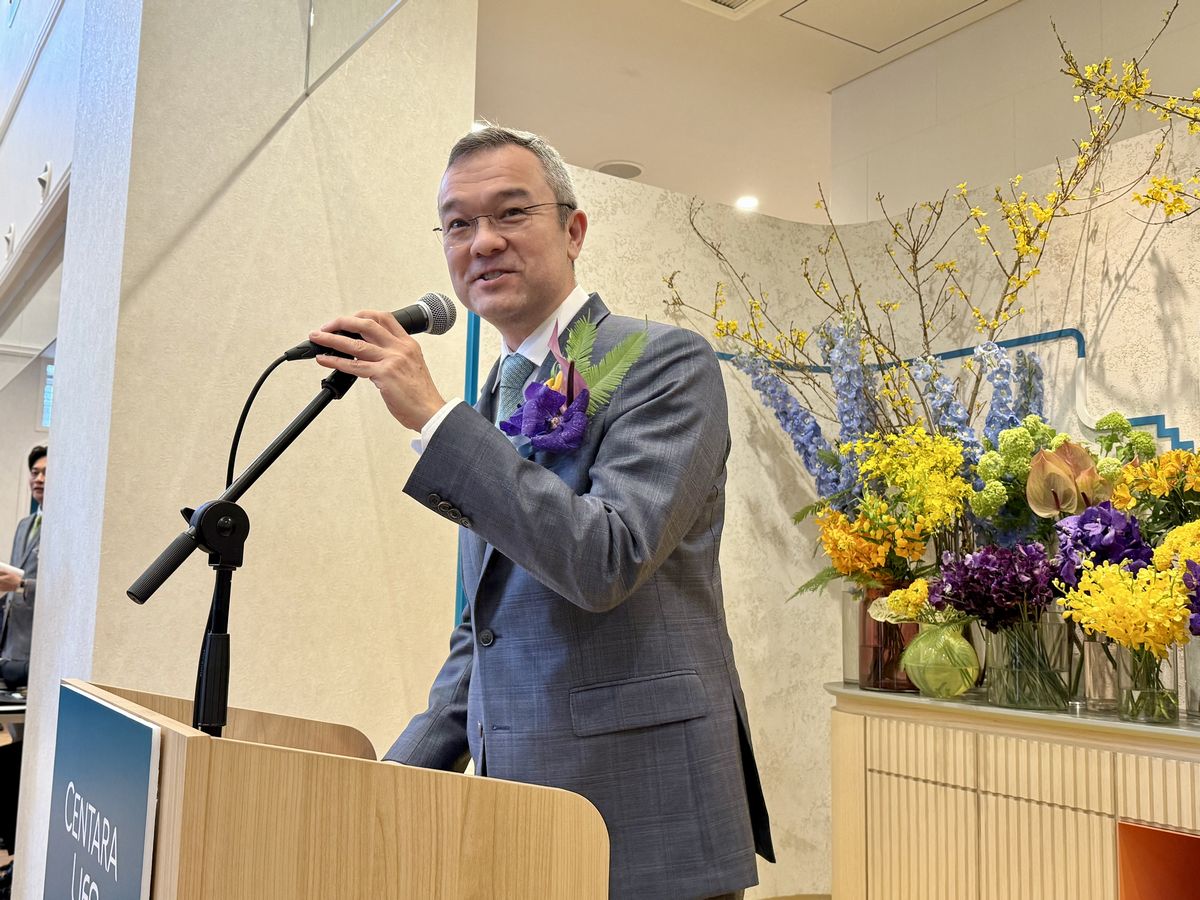
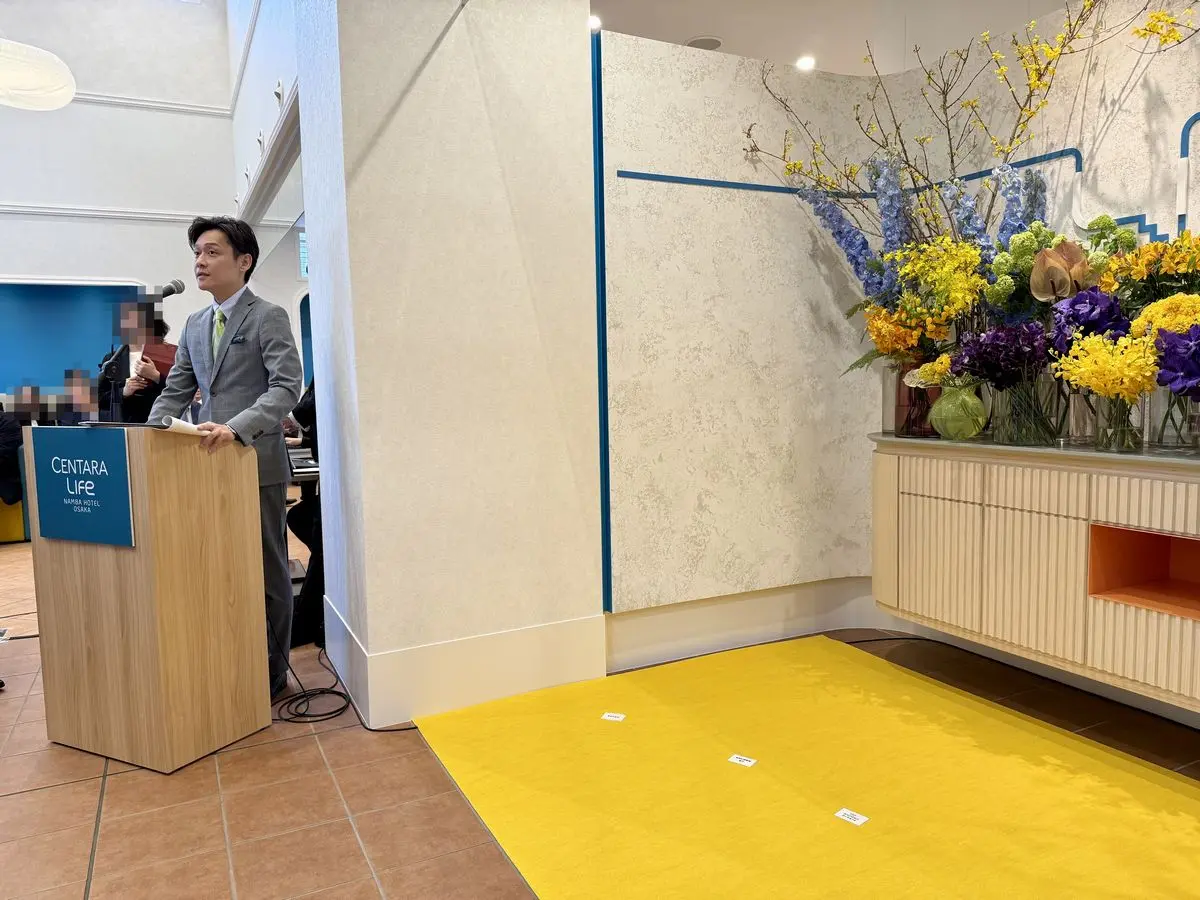
In the opening address, the CEO of Centara Hotels & Resorts stated, “Centara Life Namba Hotel Osaka will open on April 6, 2026. We aim to establish it as a new accommodation base in the vibrant Osaka and Namba area, welcoming guests from around the world as a lifestyle hotel brand that values the warm hospitality unique to a Thai-born brand, along with ease and comfort.”
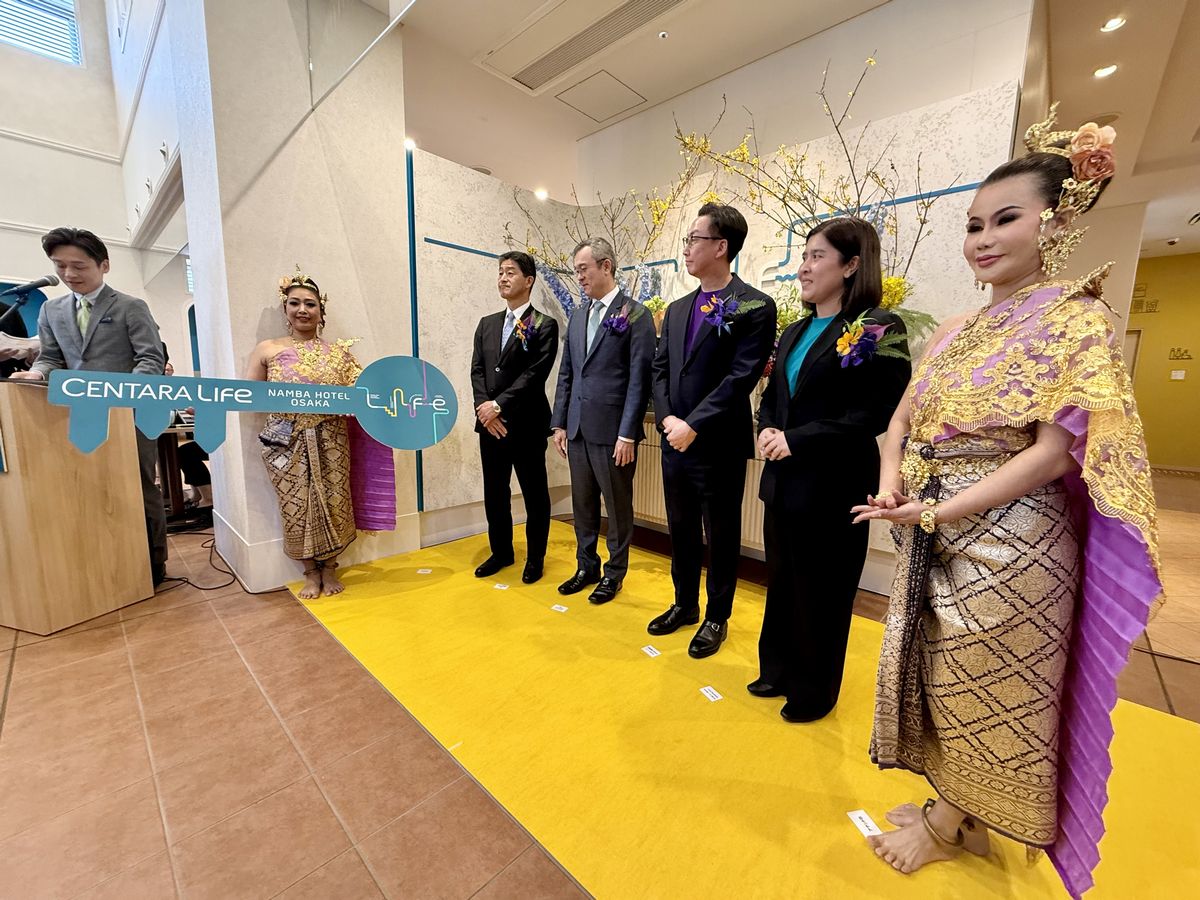
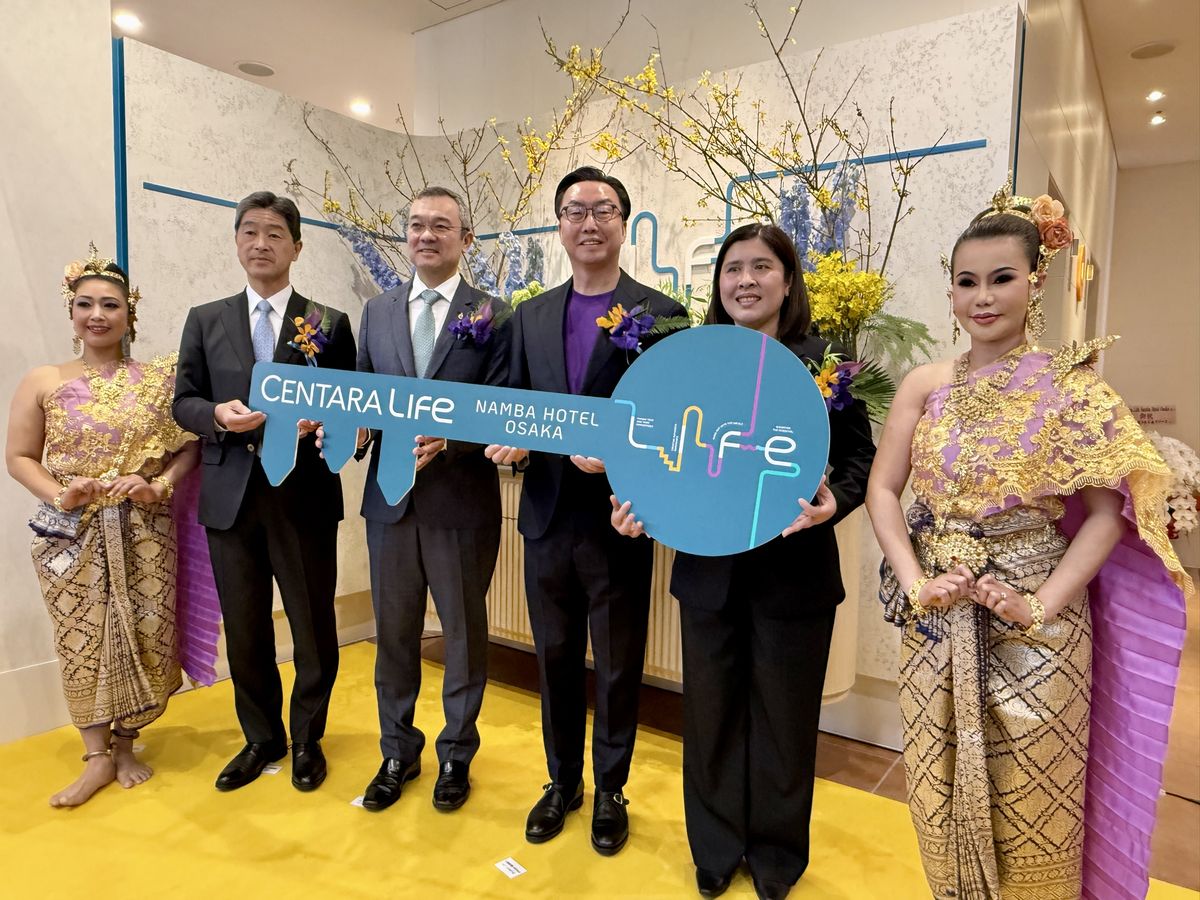
A preview tour was also conducted on this day.
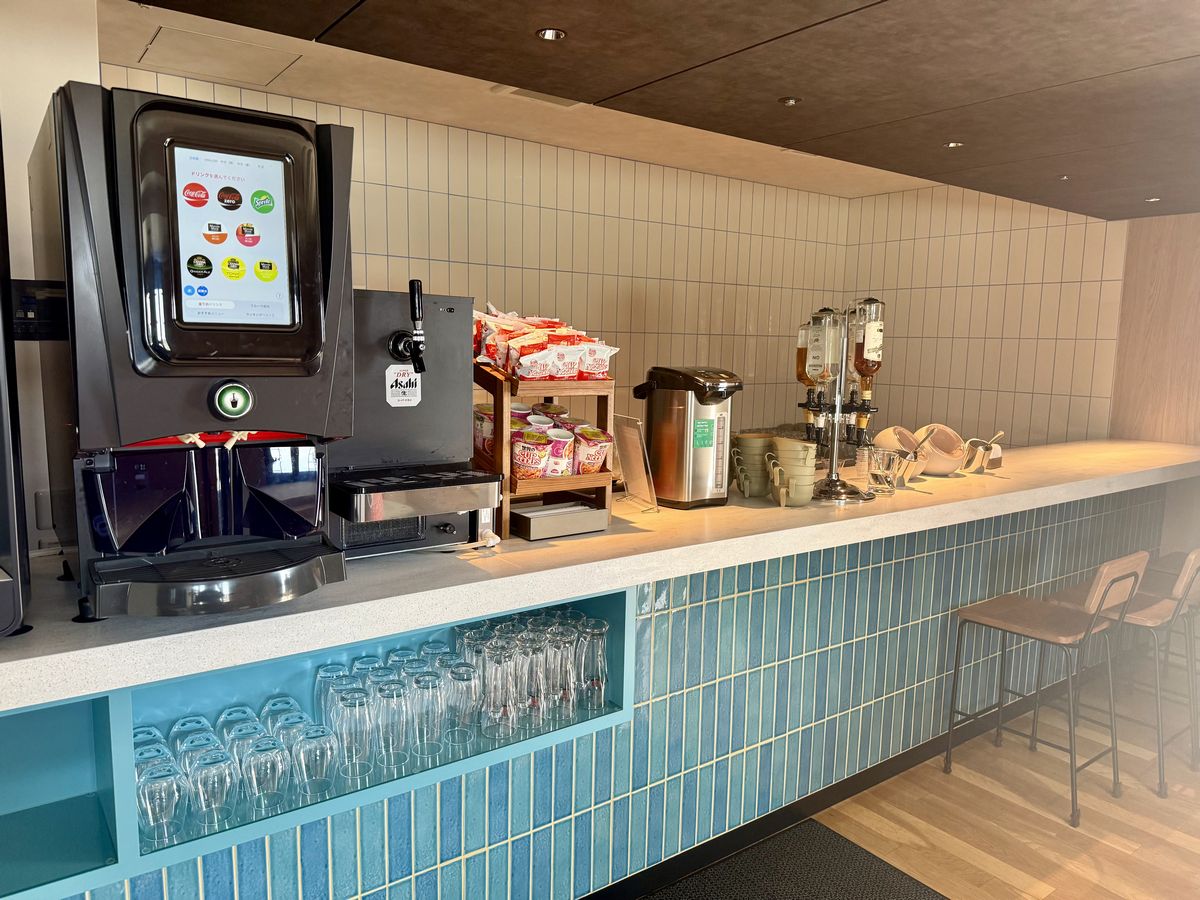
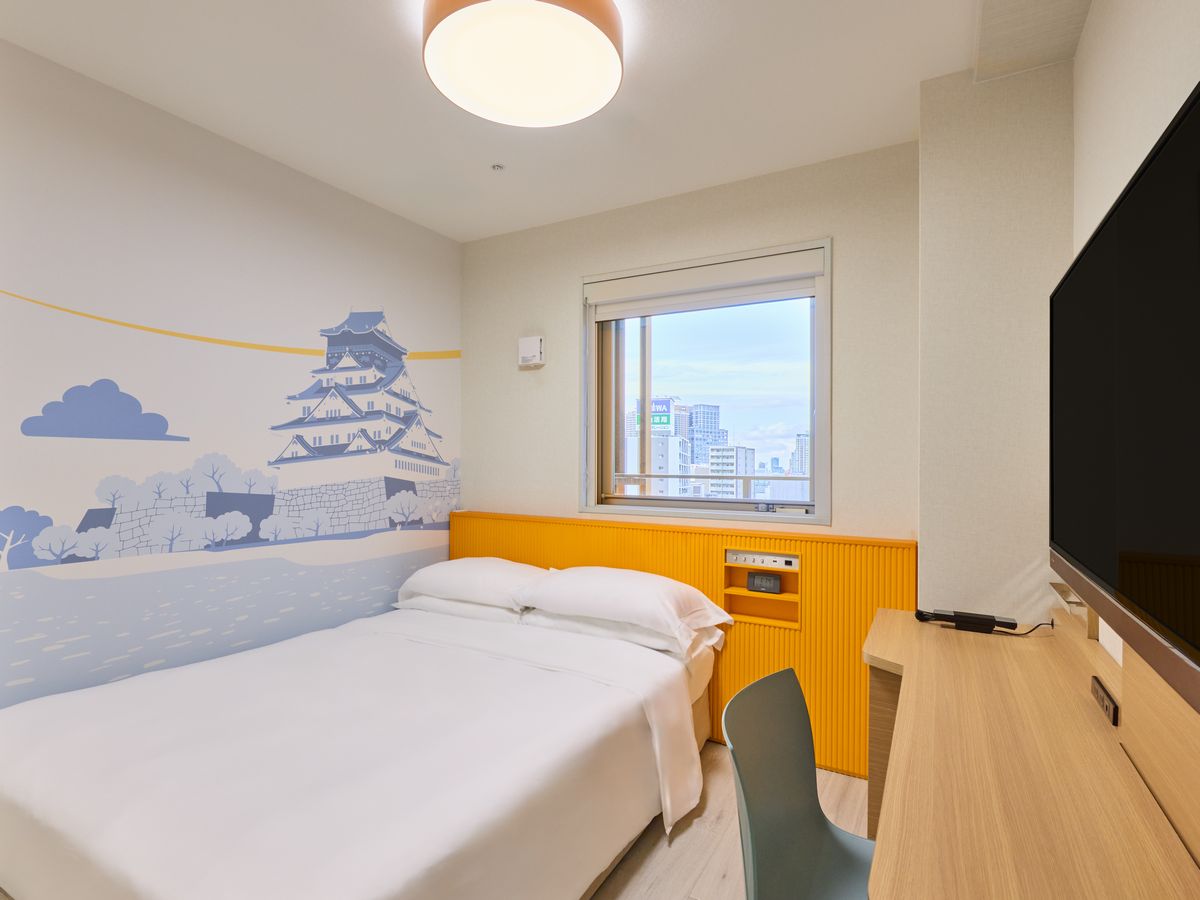
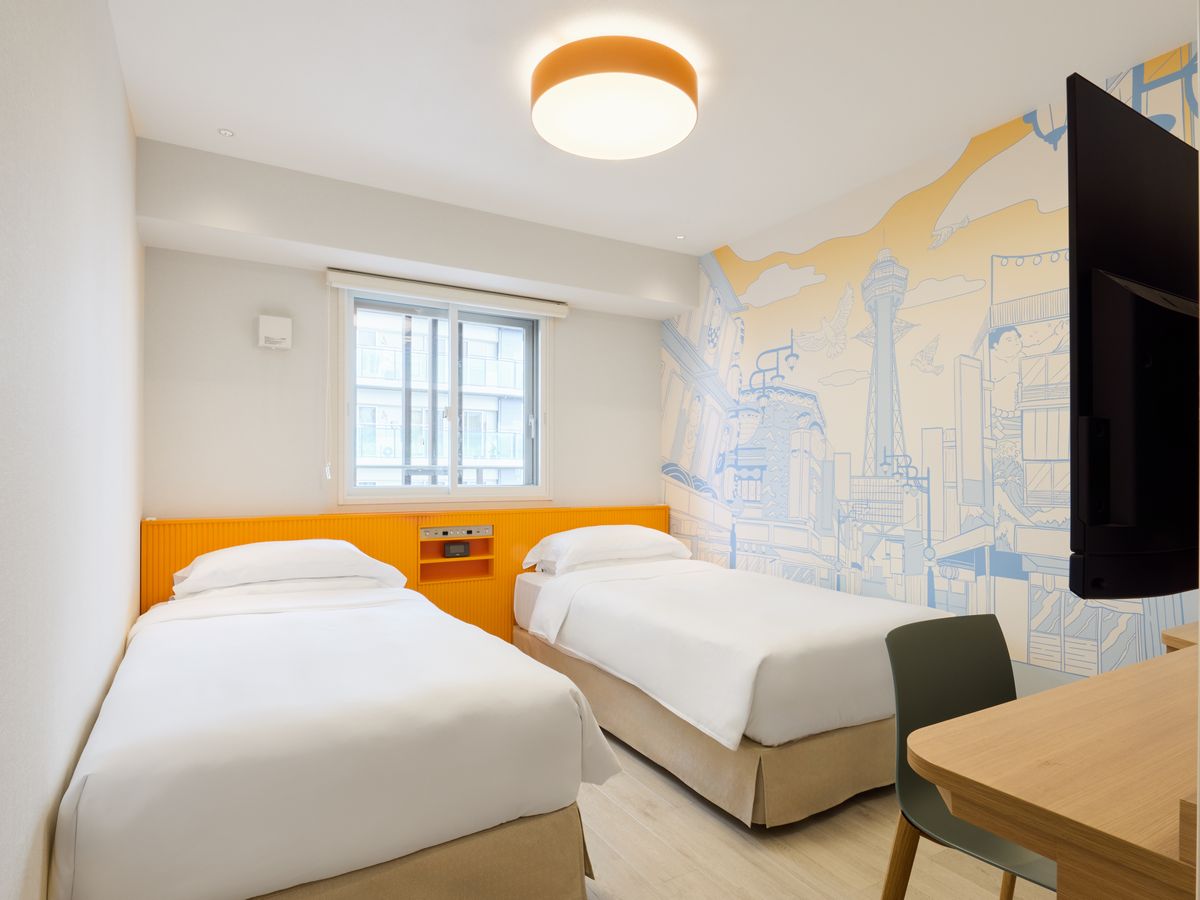
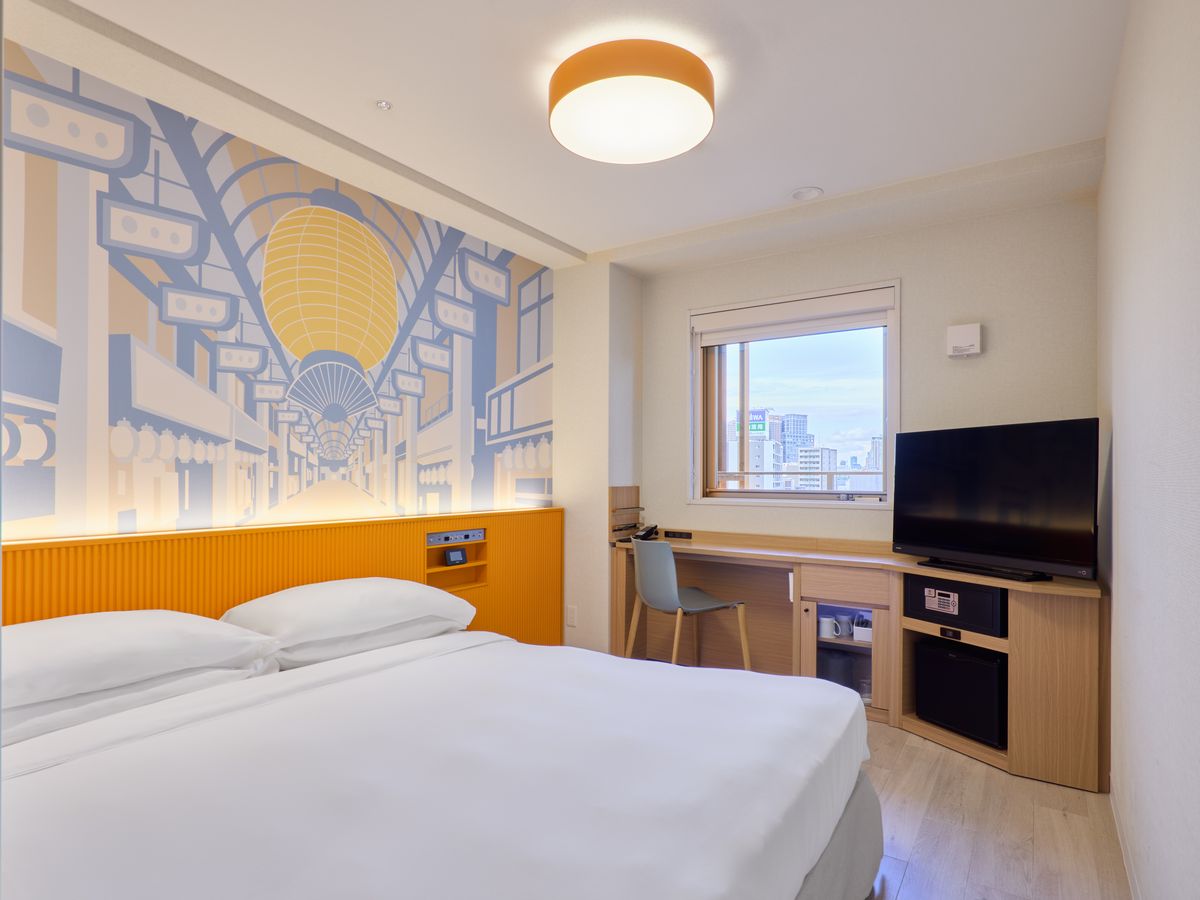
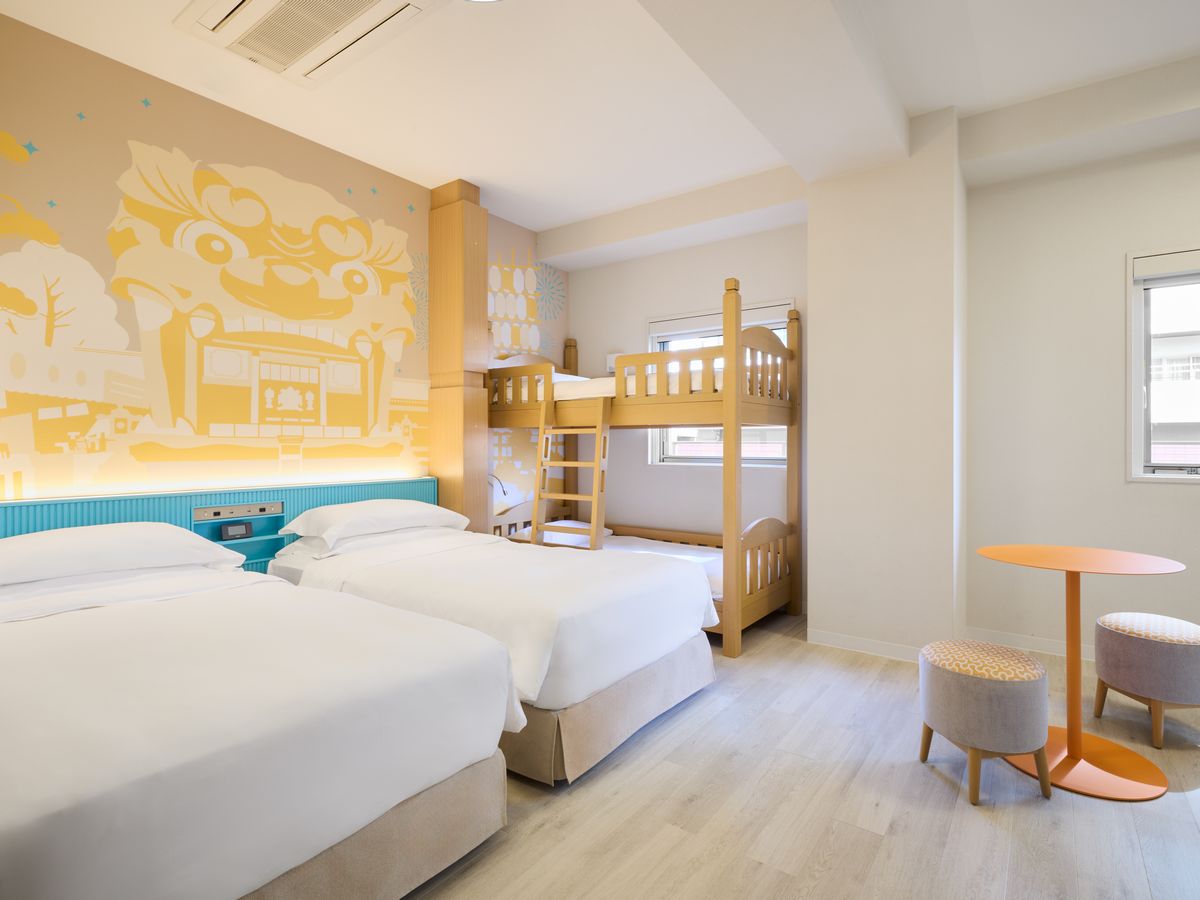
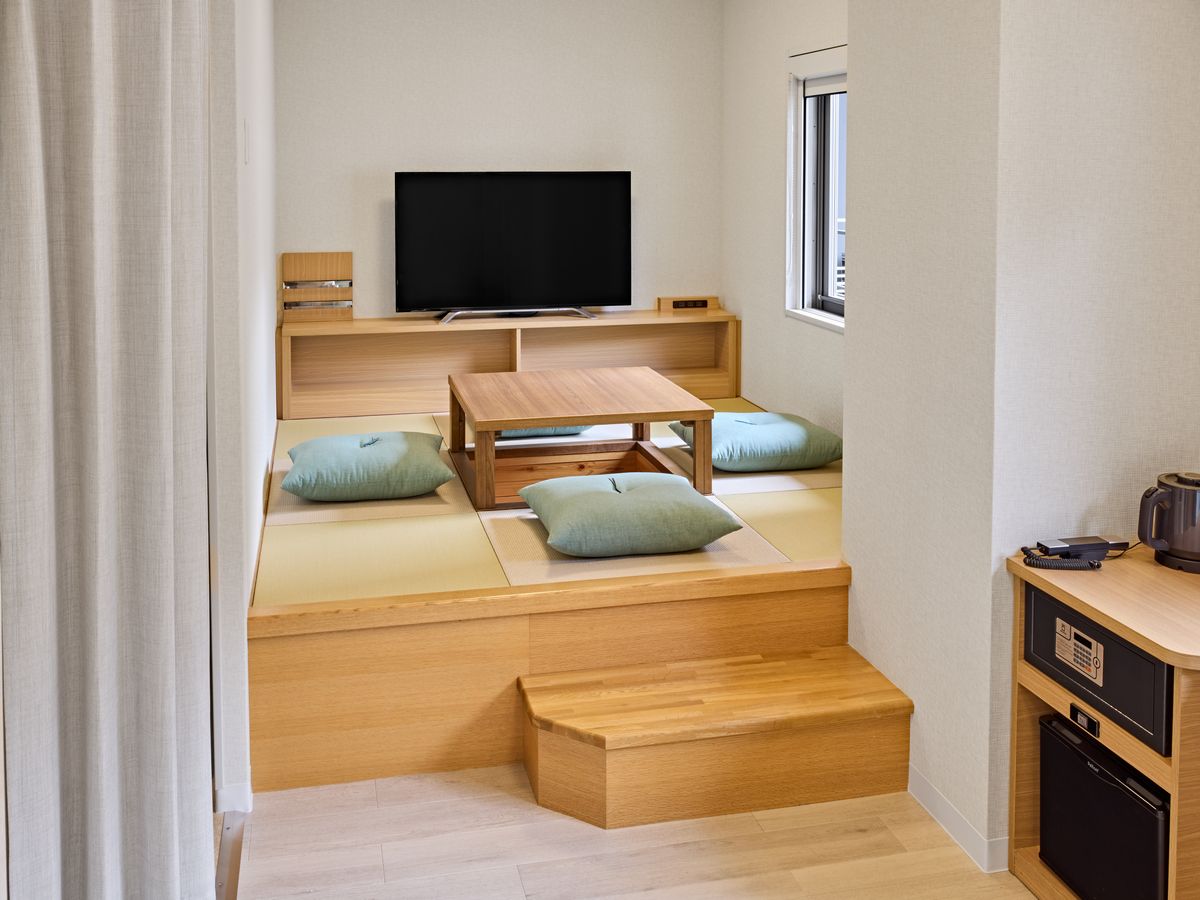
Centara Life Namba Hotel Osaka
The Centara Life Namba Hotel Osaka is a modern hotel located in Osaka’s vibrant Namba district, known for its shopping, dining, and entertainment. While the hotel itself is a contemporary hospitality venture, it is situated in a historic area that has long been a central commercial and cultural hub of the city.
Naniwa Ward
Naniwa Ward is one of Osaka’s 24 wards, located in the city center and known as a historic cultural and entertainment district. Its name derives from the ancient port capital of Naniwa, which was a significant political and economic center of Japan in the 7th and 8th centuries. Today, the ward is famous for areas like Shinsekai and the Tsutenkaku Tower, embodying Osaka’s classic downtown atmosphere.
Osaka
Osaka is a major port city on Japan’s Honshu island, historically known as the nation’s merchant capital and often called “Japan’s kitchen” for its vibrant food culture. Its history dates back centuries as a commercial hub, with landmarks like the 16th-century Osaka Castle symbolizing its former political power under Toyotomi Hideyoshi. Today, it is a modern metropolis renowned for its street food, nightlife, and districts like Dotonbori and Shinsekai.
Namba
Namba is a major commercial and entertainment district in central Osaka, Japan, historically known as a merchant and theater hub since the Edo period. Today, it is famous for its vibrant shopping streets like Shinsaibashi, the iconic Glico Running Man sign, and the Dōtonbori canal area filled with restaurants and neon lights. Its history as a center of commerce and popular culture continues to define its energetic, modern atmosphere.
Centara Hotels & Resorts
Centara Hotels & Resorts is a leading Thai hospitality group founded in 1983, originating with its flagship property, the Central Plaza Hotel (now Centara Grand at CentralWorld) in Bangkok. It has since expanded to operate over 90 properties across Thailand, the Maldives, Sri Lanka, Vietnam, and other destinations, blending modern amenities with authentic Thai service traditions.
Thailand
Thailand, officially the Kingdom of Thailand, is a Southeast Asian nation with a rich history as the only country in the region never colonized by a European power. Its culture is deeply influenced by Theravada Buddhism, visible in thousands of ornate temples like Bangkok’s Grand Palace and Wat Arun. Historically known as Siam, the country unified under kingdoms such as Sukhothai and Ayutthaya before adopting its current name in 1939.
Thai dance
Thai dance is a classical performing art with roots in the royal courts of Thailand, heavily influenced by ancient Indian traditions and Khmer culture. It is characterized by intricate hand gestures, elaborate costumes, and slow, graceful movements that often depict stories from Buddhist mythology and the national epic, the Ramakien. Today, it remains a vital part of Thai cultural identity, performed at temples, festivals, and theaters.
SORA
Based on available information, “SORA” does not correspond to a widely recognized major cultural site or historical place. It is most commonly known as an acronym, notably for OpenAI’s recently announced text-to-video AI model. Without a specific geographic or cultural context, a historical summary cannot be provided.