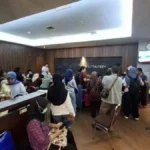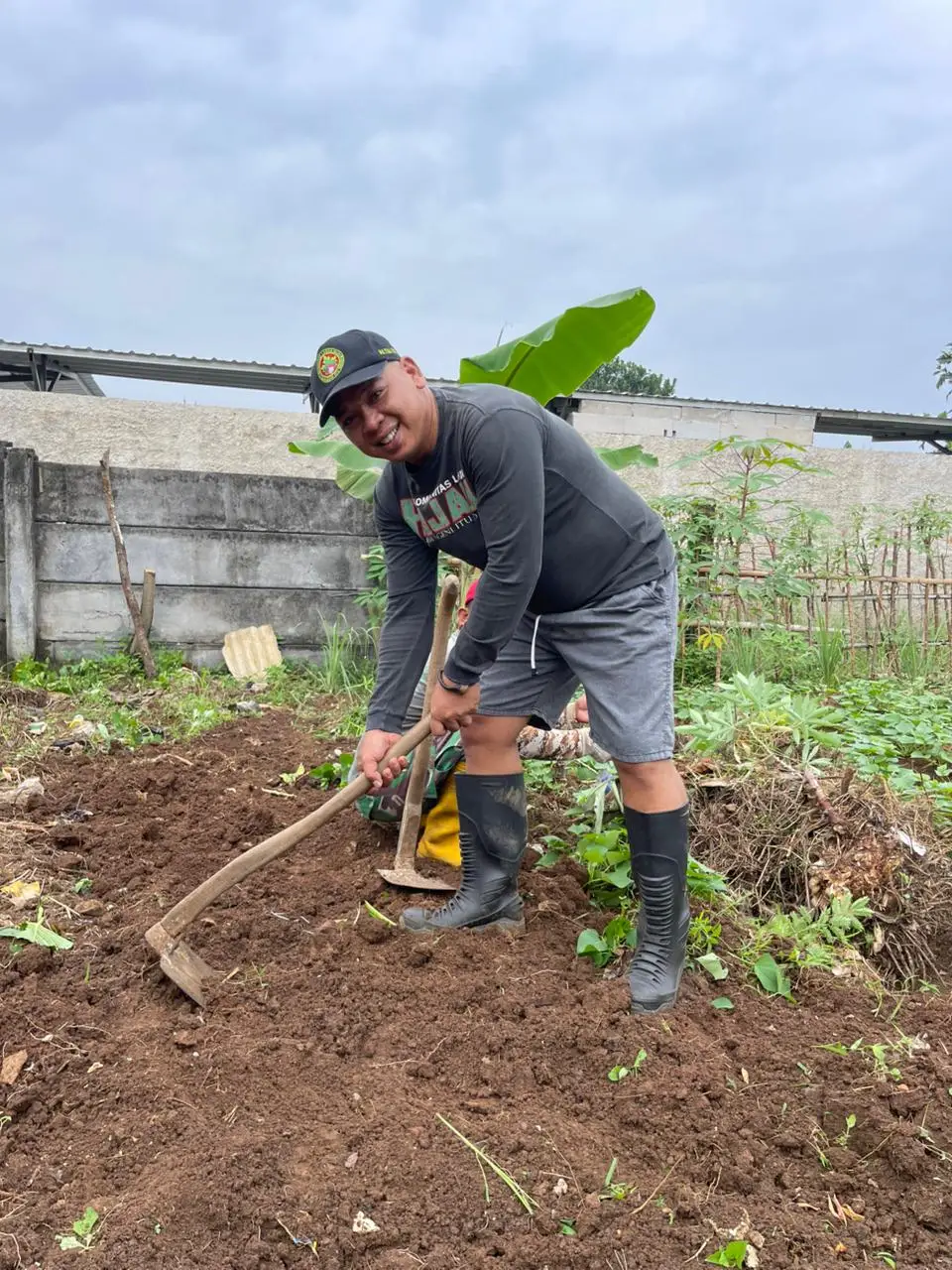
DEPOK (03/06/2026) – A grassroots community is responding tactically to a draft local food security program. This initiative is being carried out by residents of RW 01 Kampung Rawageni, Ratujaya Village, Cipayung District, who are constructing an integrated greenhouse facility. This green infrastructure project aims to ensure the smooth execution of the Depok Simultaneous Chili Planting Movement initiated by the Mayor of Depok, Supian Suri.
The collective project is driven through a synergy of work drafts between the Lahan Hijau Farmers Group, neighborhood administrators, and local civil society elements. In addition to functioning as a seeding center, the facility is projected to become an educational laboratory for urban farming amidst the rate of land conversion due to residential expansion.
Mitigating the Shrinkage of Agricultural Land in Residential Sectors
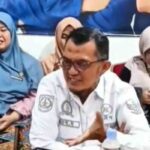
The head of RW 01 Kampung Rawageni, Jaelani, explained that residents are now actively working together to clear and prepare potential land plots designated as the greenhouse site. This intervention strategy is taken to revitalize the communal farming spirit that had been disrupted by dense housing areas.
“Our productive land sector continues to shrink significantly due to pressure from housing development. In line with that, the index of residents’ interest in conventional farming is also declining. Therefore, we are consolidating the community to maximize the presence of the greenhouse as an alternative medium for plant cultivation,” Jaelani elaborated on Wednesday (03/06).
Urban Farmer Incubation: Technical Knowledge Transfer Scheme
Based on the program planning draft, this greenhouse is designed to train groups of residents who will act as pioneer agents for chili commodity cultivation. During the incubation phase, these farmer cadres will be equipped with technical learning drafts covering:
-
Procedures and techniques for seeding superior seeds.
-
Regular maintenance procedures and plant protection from pests.
-
Management strategies and quality development of harvest yields to ensure high utility value.
“Pioneer cadres who pass this management method are projected to become valid role models for other community clusters,” added Jaelani.
Polybag Distribution Method: Target for Domestic Food Self-Sufficiency
As a downstream part of the program, all chili seedlings produced in the greenhouse will not be commercialized, but distributed free of charge to the wider community. Residents are directed to plant independently in their home yards using polybag pots—a tactical solution draft considered highly accommodating for densely populated areas.
Strategic Outputs of the Simultaneous Chili Planting Movement:
-
Household Fiscal Aspect: Helps reduce daily kitchen expenses for residents against fluctuating chili prices in commercial markets.
-
Food Security Aspect: Strengthens the foundation of independent food security at the family level.
-
Ecological Aspect: Constructs greener, more beautiful, productive, and environmentally aesthetic residential areas.
Through the implementation of this work draft, Jaelani is optimistic that the curve of public participation in succeeding the city-level simultaneous planting movement will increase sharply. “Even though the spatial space of residents’ homes is limited, the use of polybag media proves that geographical barriers are no longer an obstacle to creating food self-sufficiency whose benefits are truly felt by the macro community,” he concluded.