Traffic on Margonda Street in Depok was quiet during the long weekend.
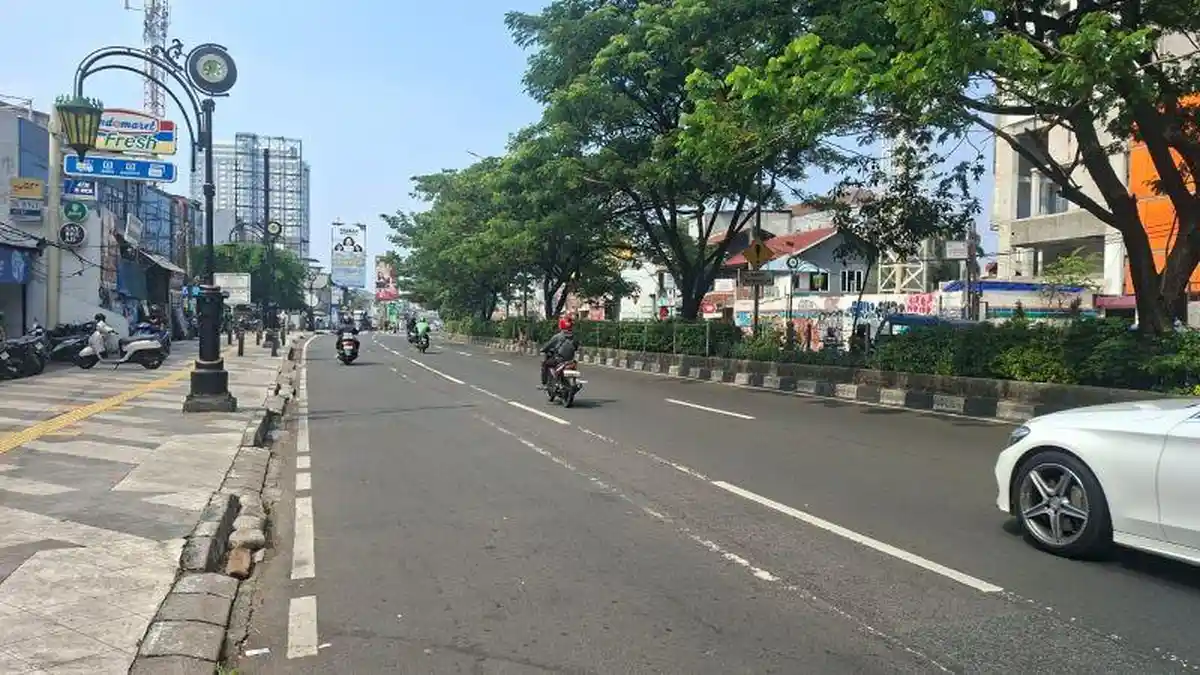
Traffic on Margonda Street in Depok was observed to be quiet on Friday around 10:00 AM Western Indonesia Time.
Traffic on Margonda Street, in Beji District, Depok, West Java, was observed to be quiet during the long weekend on Friday.
At the location around 10:00 AM, vehicles traveling from Jakarta towards Depok or vice versa were not as dense as on typical days.
Passing vehicles were dominated by motorcycles and private cars, although city transportation was occasionally seen.
If usually traffic jams stretch in front of Margo City Mall, this time vehicles could move smoothly.
Vehicle buildup only occurred at road intersection points due to traffic lights.
Motorcyclist Ahmad Firdaus assessed that the smooth traffic on Margonda Street in Depok was because people were on holiday.
“This is a long weekend, most people are probably going out,” said Firdaus.
According to Firdaus, from the University of Indonesia roundabout to the Arif Rahman Hakim intersection, it only takes less than 5 minutes.
Whereas if stuck in a traffic jam, he needs about 10 minutes or more to traverse the same route.
“If it stays quiet like this, Depok residents won’t have any problems,” he said jokingly.
Margonda Street
Margonda Street is a major thoroughfare in Depok, West Java, Indonesia, known for its bustling commercial and educational atmosphere. Historically, it was named after Raden Margonda, a local hero who fought against Dutch colonial forces in the early 20th century. Today, the street is lined with shopping centers, restaurants, and universities, making it a vibrant hub for students and residents alike.
Beji District
Beji District is a historic area in Depok, West Java, Indonesia. It is known for its cultural and religious significance, particularly as the site of the 18th-century Beji Temple, a Chinese Buddhist temple that reflects the area’s long-standing Chinese-Indonesian heritage. The district’s name is also linked to local water sources and traditional bathing rituals, blending natural elements with local customs.
Depok
Depok is a city in West Java, Indonesia, known historically as a former plantation estate established in the 18th century by a Dutch East India Company official. It later became a center for the Depokse Christian community, with a unique blend of Javanese and European cultural influences. Today, it is a rapidly growing urban area and a major educational hub, home to the University of Indonesia.
West Java
West Java is a province in Indonesia known for its rich cultural heritage and natural beauty, including volcanic landscapes and tea plantations. Historically, it was a center of the Sundanese Kingdom and later became a key region during Dutch colonial rule, with its capital Bandung playing a role in the Indonesian independence movement. Today, it remains a vibrant area blending traditional Sundanese culture with modern development.
Jakarta
Jakarta is the capital and largest city of Indonesia, located on the northwest coast of Java. Originally a small port known as Sunda Kelapa, it was renamed Batavia by the Dutch in the 17th century and became the center of the Dutch East Indies’ colonial rule. After Indonesia’s independence, it was
Margonda Street
Margonda Street is a major commercial and educational artery located in Depok, West Java, Indonesia. Historically, it was named after Raden Margonda, a local hero who died during the Indonesian National Revolution in the 1940s. Today, it is a bustling hub known for its shopping centers, universities, and vibrant street life.
Beji District
Beji District is a densely populated area located in Depok City, West Java, Indonesia. Historically, the name “Beji” is believed to originate from a sacred spring or water source (petirtaan) used for ritual purification, linked to the nearby Hindu-Buddhist heritage of the ancient Tarumanagara kingdom. Today, it is a bustling suburban area known for its residential neighborhoods, educational institutions, and proximity to the University of Indonesia.
Depok
Depok is a city in West Java, Indonesia, with a history dating back to the 18th century when it was established as a private estate by Cornelis Chastelein, a Dutch colonial official. He freed his slaves and granted them land, leading to the development of a unique Christian community there. Today, Depok is a rapidly growing satellite city of Jakarta, known for its educational institutions and suburban character.
West Java
West Java is a province in Indonesia known for its rich cultural heritage, including the Sundanese traditions, and its natural beauty, such as volcanic landscapes and tea plantations. Historically, it was part of the ancient Sunda Kingdom and later became a key region during the Dutch colonial era, with Bandung serving as a center for administration and culture. Today, it remains a vibrant area blending historical sites, like the Gedung Sate, with modern urban development.
Jakarta
Jakarta is the capital and largest city of Indonesia, located on the northwest coast of Java. Originally a small port known as Sunda Kelapa, it was renamed Jayakarta in the 16th century before becoming Batavia, the colonial capital of the Dutch East Indies. After Indonesia’s independence, it was renamed Jakarta and has since grown into a bustling metropolis that blends modern skyscrapers with historic sites like the Old Town (Kota Tua).
University of Indonesia
The University of Indonesia (UI) is a prestigious public university located in Depok, West Java, and Salemba, Jakarta. Established in 1950, its roots trace back to the Dutch colonial-era School tot Opleiding van Inlandsche Artsen (STOVIA), founded in 1851, making it one of the oldest higher education institutions in Indonesia. Today, UI is recognized as a leading research university and a symbol of national academic excellence.
Arif Rahman Hakim intersection
The Arif Rahman Hakim intersection, located in Jakarta, Indonesia, is named after a prominent student activist who was killed during protests in 1966, playing a key role in the country’s transition from the Old Order to the New Order. The site serves as a major traffic hub in the city, connecting several key roads and areas, and is often associated with nearby landmarks like the University of Indonesia’s Salemba campus. Today, it stands as both a functional urban junction and a symbolic reminder of Indonesia’s political history.
Margo City Mall
Margo City Mall is a popular shopping center located in Depok, West Java, Indonesia. Opened in 2005, it was built on the site of a former rubber plantation and has since become a major commercial and entertainment hub for the area. The mall features a wide range of retail stores, dining options, and a cinema, serving as a key destination for both locals and visitors.