Bandung –
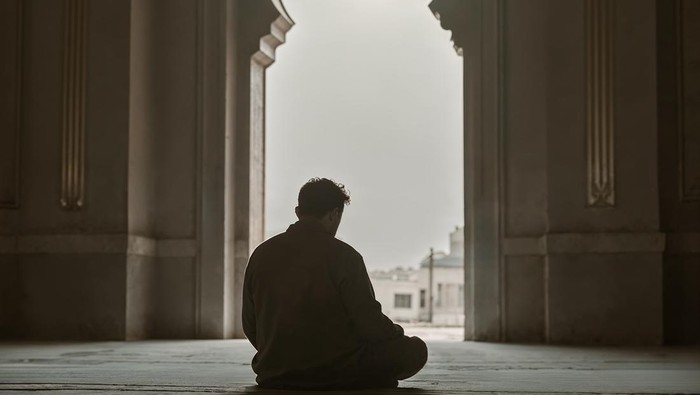
In one day, there are five obligatory prayer times, marked by the call to prayer (adhan).
The following is the prayer schedule for Bandung and its surroundings on Thursday, May 14, 2026, with data sourced from Bimas Islam of the Ministry of Religious Affairs of the Republic of Indonesia.
IMSAK
04:23
SUBUH (Dawn)
04:33
SUNRISE
05:44
DUHA (Mid-morning)
06:17
ZUHUR (Noon)
11:49
ASAR (Afternoon)
15:10
MAGRIB (Sunset)
17:47
ISYA’ (Night)
18:55
The Virtue of Maintaining Prayer
Allah SWT says in several verses of the Quran regarding the virtue of maintaining prayer for a Muslim, including:
Surah Al-Mu’minun, verses 9-11
وَالَّذِيْنَ هُمْ عَلٰى صَلَوٰتِهِمْ يُحَافِظُوْنَ ۘ ٩
اُولٰۤىِٕكَ هُمُ الْوٰرِثُوْنَ ۙ ١٠
الَّذِيْنَ يَرِثُوْنَ الْفِرْدَوْسَۗ هُمْ فِيْهَا خٰلِدُوْنَ ١١
Meaning: “Those who guard their prayers. They are the ones who will inherit. (That is) those who will inherit Paradise. They will abide therein eternally.”
Surah Al-Mu’minun, verses 1-2,
قَدْ اَفْلَحَ الْمُؤْمِنُوْنَ ۙ ١
الَّذِيْنَ هُمْ فِيْ صَلَاتِهِمْ خٰشِعُوْنَ ٢
Meaning: “Indeed, the believers have succeeded. (Those) who are humble in their prayer.”
Bandung
Bandung, the capital of West Java, Indonesia, is a vibrant city known for its colonial architecture, cool highland climate, and creative culture. Established in the early 20th century under Dutch rule, it earned the nickname “Paris of Java” for its Art Deco buildings and European-style boulevards. Today, Bandung is a major hub for education, fashion, and tourism, blending its historical heritage with modern urban energy.
Bimas Islam
Bimas Islam is a comprehensive Islamic information and guidance system established by the Indonesian government to serve the religious needs of the Muslim community. It provides services such as mosque management, Hajj and Umrah administration, and Islamic education programs. The system has evolved over time to integrate digital platforms, making religious services more accessible to the public.
Ministry of Religious Affairs of the Republic of Indonesia
The Ministry of Religious Affairs of the Republic of Indonesia is a government institution established in 1946, shortly after the country’s independence, to oversee religious affairs in a nation known for its diverse faiths. Its creation reflected the importance of religion in Indonesian society and the need to manage relations between the state and various religious communities, particularly Islam, Christianity, Hinduism, Buddhism, and Confucianism. The ministry plays a key role in formulating religious policies, organizing pilgrimages, and promoting interfaith harmony.
Surah Al-Mu’minun
Surah Al-Mu’minun is the 23rd chapter of the Quran, consisting of 118 verses revealed in Mecca. Its name, meaning “The Believers,” refers to the opening verses that describe the qualities of successful believers, such as humility in prayer and avoidance of vain talk. The surah emphasizes themes of faith, divine guidance, and the consequences of disbelief, and it includes narratives of earlier prophets like Noah and Moses to reinforce its moral lessons.
Al-Quran
Al-Quran, also spelled Quran, is the central religious text of Islam, believed by Muslims to be the literal word of God (Allah) as revealed to the Prophet Muhammad through the angel Gabriel over approximately 23 years, beginning in 610 CE. Its compilation into a single book occurred after the Prophet’s death under the leadership of Caliph Abu Bakr and was standardized during the reign of Caliph Uthman. The Quran serves as the primary source of Islamic theology and law, guiding the spiritual and daily lives of Muslims worldwide.
Paradise
Paradise is a term often used to describe the Garden of Eden in Abrahamic religions, where Adam and Eve lived in perfect harmony before their expulsion. In Islamic tradition, Paradise (Jannah) is a blissful afterlife reward for the righteous, described in the Quran as a garden of eternal peace and beauty. Culturally, the concept has also inspired utopian visions and literary works, symbolizing an idyllic, unspoiled place free from suffering.