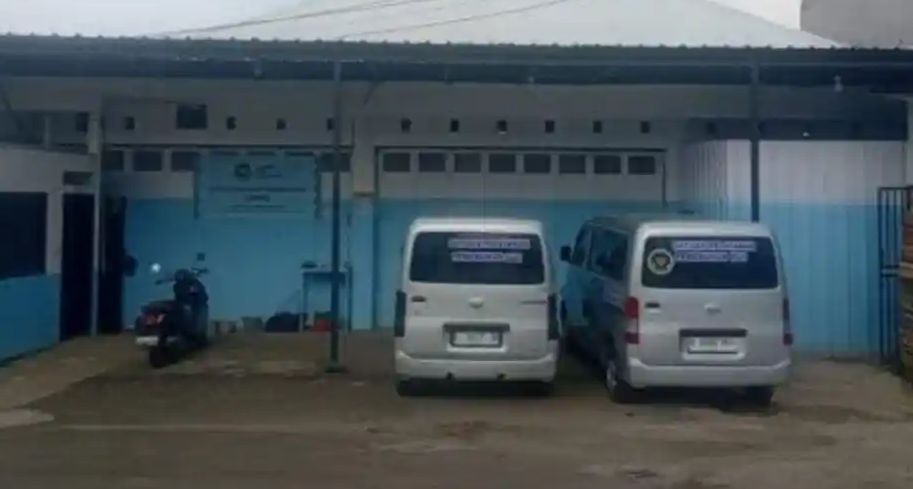
Seven Heads of the Nutritional Fulfillment Service Units (SPPG) managed by the Nurul Huda Conggeang Foundation have issued a clarification regarding reports accusing them of involvement in alleged hacking of the Free Nutritious Meal Program (MBG) account and embezzlement of foundation funds.
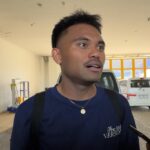
Through their spokesperson, Iwan Ridwanudin, who also serves as the Head of SPPG Sumedang Ujungjaya Sukamulya, the SPPG Heads denied all accusations. They emphasized that no official audit results from the National Nutrition Agency (BGN) have indicated any hacking or illegal takeover of the financial system.
According to Iwan, the change of the Maker Virtual Account (VA) that occurred in several SPPGs was a legitimate administrative process submitted by the Facility Owner Partners to BGN and had received confirmation from the Deputy for Systems and Governance (Sistakol) in April 2026.
“We reject allegations of account hacking or fund embezzlement. The replacement of the Maker VA was carried out through an official mechanism that was communicated to BGN,” Iwan said in his statement.
He explained that there are several facts he believes were not fully conveyed in previous reports. Since April 2026, the SPPG Heads, along with facility owner partners, raw material suppliers, and other relevant parties, have submitted official complaints to the National Nutrition Agency regarding alleged governance issues within the Nurul Huda Conggeang Foundation.
In the report, the complainants requested BGN to conduct a comprehensive audit and investigation into several alleged administrative violations and program management issues.
One of the reported points concerns the alleged use of foundation representative identities or Maker Virtual Account emails deemed non-compliant with applicable technical regulations. The complainants also highlighted an alleged pattern of centralized account control by one party, which needs verification by BGN.
Additionally, there are reports regarding the alleged transfer of government aid funds for raw material procurement components to personal accounts.
According to the complainants, this situation allegedly caused delays in payments to several suppliers even though the aid funds had been disbursed. These allegations are now part of the report submitted to BGN for further investigation.
The SPPG Heads also reported alleged pressure to submit raw material prices above market prices or the Highest Retail Price (HET). They requested an investigation as it relates to the principles of efficiency and fairness in the use of program funds.
Other reports include allegations of delays in providing raw materials and operational facilities, which reportedly forced some SPPG Heads to use personal funds to maintain service continuity for beneficiaries of the Free Nutritious Meal Program.
Furthermore, the complainants asked BGN to examine alleged discrepancies in operational support facilities at several SPPGs, including those related to Wastewater Treatment Plants (IPAL) and the feasibility of other facilities that must meet program standards.
They also submitted reports regarding alleged interference with the duties of SPPG Heads and alleged operational shutdowns and lockouts of several SPPG kitchens without written decisions from authorized officials.
According to Iwan, in addition to the complaints submitted to BGN, there are also several reports to law enforcement officials in Sumedang Regency and Bogor Regency related to these various alleged issues.
“Those reports are still in process, and we respect all ongoing mechanisms, both at the National Nutrition Agency and law enforcement,” he said.
The SPPG Heads stated they are ready to provide statements, data, and documents required for the investigation process. They hope all submitted reports will be followed up objectively, transparently, and comprehensively to maintain the integrity of the Free Nutritious Meal Program as one of the national strategic programs.
“We hope all parties uphold the presumption of innocence and await the official results of the investigation from the authorized agencies,” Iwan said.