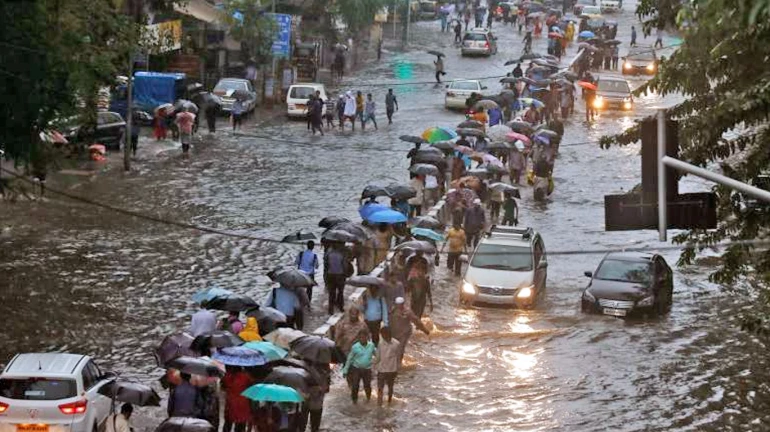
As the monsoon season approaches, the civic body has intensified its mosquito-control and disease-prevention efforts across Mumbai.
On Thursday, May 28, extensive inspections and fogging operations were carried out in various parts of the city to curb the spread of vector-borne diseases.
According to officials, the Insecticide Department inspected more than 32.5 lakh households across all 26 administrative wards between January 2026 and May 27, 2026. In the same period, fogging activities were conducted around nearly 30.17 lakh households as part of preventive measures ahead of the rains.
The civic body also reported that around 22,800 area inspections were undertaken during the campaign to identify and eliminate mosquito breeding spots responsible for diseases such as dengue and malaria.
During the inspections, larvae of the dengue-spreading mosquito Aedes aegypti were detected at 37,800 locations, while larvae of the malaria-carrying Anopheles stephensi mosquito were found at 4,529 sites. Officials stated that all identified breeding grounds were immediately destroyed to prevent further spread.
The anti-mosquito drive focused on common breeding locations, including stagnant water collected in overhead tanks, containers in slum areas, plastic sheets, flower pots, decorative items, discarded tyres, coconut shells, and plastic waste.
As part of the clean-up operation, civic teams removed 540 discarded tyres and over 1.16 lakh scrap items that could potentially become mosquito breeding grounds.
The civic body also extended the campaign to approximately 4,000 redevelopment project sites across Mumbai. Safety officers at these locations were trained to implement effective mosquito-control practices and ensure preventive measures are followed regularly.
The Municipal Commissioner has been personally reviewing the operations through field inspections across the city and suburban regions. During these visits, interactions with officials and sanitation workers have taken place to evaluate challenges on the ground and monitor the progress of preventive initiatives.
More than 1,000 officers, staff members, and workers from the Insecticide Department are actively engaged in surveillance and inspection activities throughout the city.
Officials added that the Public Health and Insecticide Departments are working together to strengthen pre-monsoon preparedness through continuous fogging, spraying, and elimination of mosquito breeding sites to reduce the risk of vector-borne diseases during the rainy season.
Mumbai
Mumbai
Bombay
Mumbai
Bombay
Gateway of India
Related news

Sonali Bendre’s open purse goes viral on social media.

CNG prices rise in Delhi after petrol and diesel hikes—check the new rates.