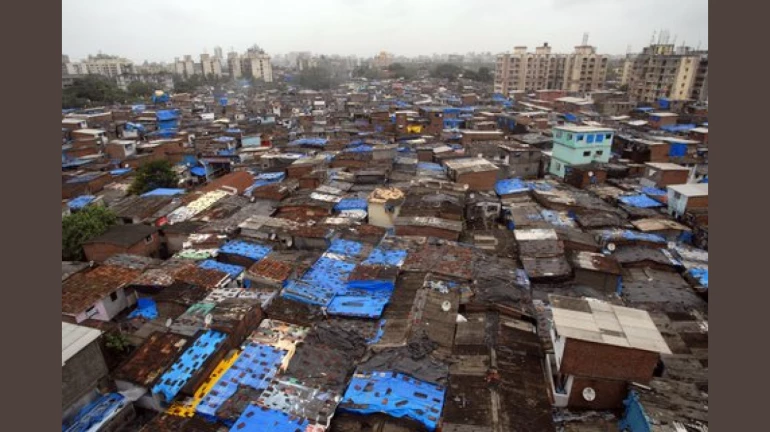
The government is going to increase the size of homes given to eligible residents to 500 square feet under the Redevelopment Project. This is a big increase from the current standard of 300 square feet.
As per the draft, every eligible resident will receive a rehabilitation unit. The minimum carpet area has been raised to 370 square feet. The remaining 130 square feet will be a fungible area, which will bring it to 500 square feet. The carpet area will match the space used in their old home, subject to a maximum limit.
Fungible area refers to additional space beyond the carpet area. This can include balconies, flowerbeds, niches, or slight extensions inside the home. It may not always be fully usable like a carpet area, but it adds to the total size of the unit.
The draft also states that units up to 753.4 square feet will be part of the rehabilitation residential component and will be free. This applies to both slum dwellers and building occupants. However, building residents will have an option to buy more space. They can choose an area equal to their current home size by paying construction costs.
If a resident chooses a unit larger than 753.4 square feet, the extra area will be charged. The Dharavi Redevelopment Project authority will fix the construction cost. The developer will collect the payment from the resident. This extra area will not be counted when calculating the incentive rehabilitation sale component.
Around 8,700 homes in the Dharavi Notified Area are expected to benefit from this. The Urban Development Department issued a draft notification on March 12. The proposal seeks to amend subclause (4) of 33(9)(A) of the Development Control and Promotion Regulations. The public was asked to submit comments and objections within one month.
The decision to increase the size of homes came after directions from the Chief Minister. During a war room meeting on the project held on May 28, 2025, he asked officials to prepare a proposal. He directed them to justify a minimum carpet area of 500 square feet.