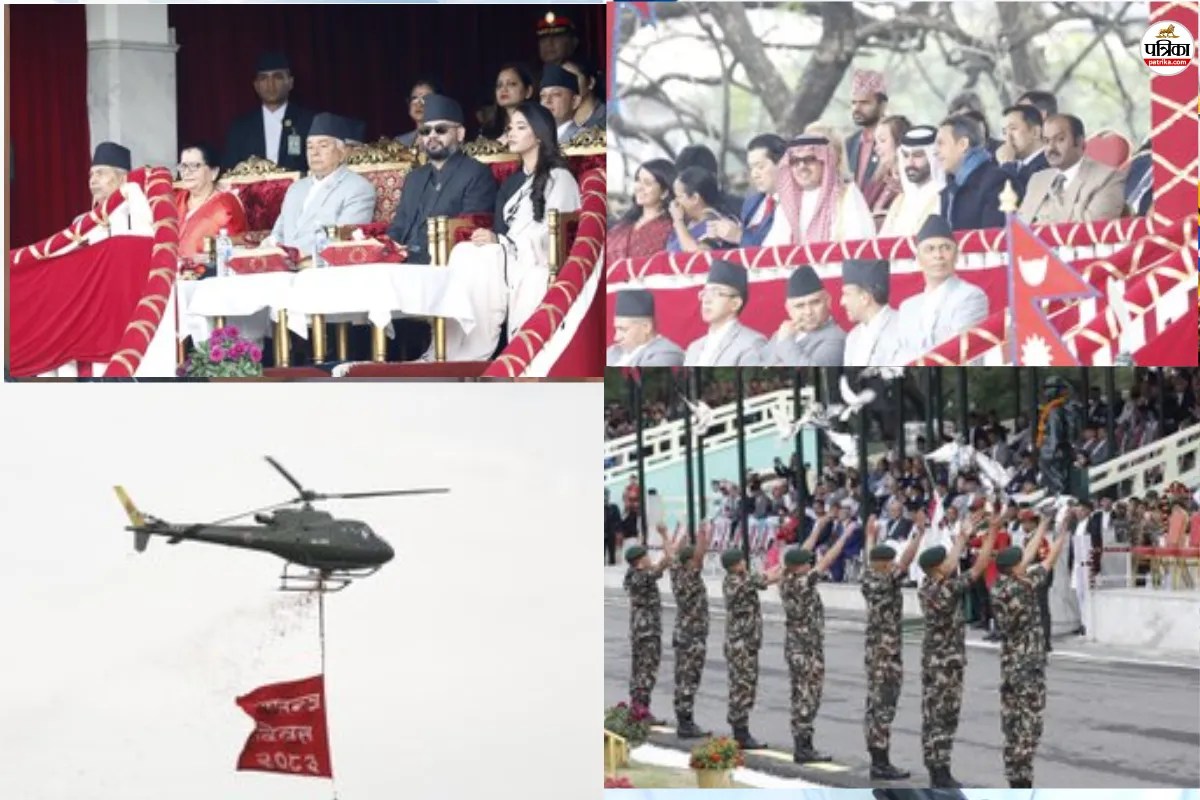
For the first time in Nepal, tradition was broken on Republic Day: the Prime Minister neither gave a speech nor greeted the public.
Nepal Republic Day: Republic Day is celebrated with great pomp every year in Nepal. On this historic date in 2008, Nepal was declared a federal democratic republic, and the 240-year-old monarchy in the country came to an end forever. However, this year, on the occasion of Republic Day, the long-standing tradition of the Prime Minister’s address to the nation was broken for the first time. For the first time in history, the Prime Minister did not give a speech on Nepal’s Republic Day, and moreover, he did not even offer greetings to the people of the country. The people of Nepal are astonished as to what the Prime Minister is doing.
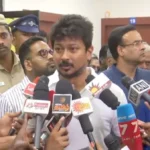
In Nepal, instead of the Prime Minister, the country’s President, Ram Chandra Paudel, addressed a special ceremony held at the Tundikhel military ground on Friday. Interestingly, Nepal’s Prime Minister Balendra (Balen) Shah was present at the event himself, but he did not utter a single word from the stage. Balen Shah himself had written a formal letter to President Paudel, requesting him to address this special ceremony. On this historic occasion, for the first time, the President took the stage and delivered a very stern and significant message to the country.
Now, the biggest question arising within the country is: why has he been silent for so long? Previously, there was a firm tradition in Nepal that the head of the government, the Prime Minister, would deliver the main speech in the presence of the President, Vice President, distinguished state officials, and guests from foreign embassies. After assuming the office of Prime Minister, Balen Shah first addressed an event of the Nepal Army in Bhaktapur. However, since that event until today, Balen has not directly addressed the people of the country at any public ceremony. His prolonged silence has now turned into deep suspense.
The matter is not limited to not giving a speech; Prime Minister Balen Shah also did not offer congratulations or greetings to the people of the country on the occasion of Republic Day this time, which is being considered very serious in political circles. Even more surprising was the fact that the chairman of the ruling party, the National Independent Party (RSP), Rabi Lamichhane, also did not give any greeting message to the country on the occasion of Republic Day.
On this occasion of the republic, achieved through the supreme sacrifice of thousands of martyrs, such indifference from the head of government and those in power has given rise to a new fear. Among Nepal’s political analysts, concerns are rapidly growing that this might be a deliberate and major attempt to weaken the current democratic system.
Tundikhel military ground
Tundikhel is a historic military parade ground located in the heart of Kathmandu, Nepal. It has served as a central venue for military drills, national ceremonies, and public gatherings since the Shah dynasty’s unification of Nepal in the 18th century. In modern times, it remains a significant cultural and political space, often used for protests, festivals, and official events.
Bhaktapur
Bhaktapur, also known as the “City of Devotees,” is a historic city in Nepal’s Kathmandu Valley renowned for its well-preserved medieval art and architecture. Once the capital of the Malla Kingdom, it flourished from the 12th to the 15th centuries and is home to UNESCO World Heritage sites like Bhaktapur Durbar Square, featuring intricately carved temples and palaces. Despite suffering damage from the 2015 earthquake, the city remains a vibrant cultural hub, showcasing Newari traditions and craftsmanship.
Tundikhel military ground
Tundikhel is a historic military parade ground located in the heart of Kathmandu, Nepal. Originally used by the ruling Shah and Rana dynasties for military drills, ceremonies, and public executions, it has also served as a site for political rallies and cultural events. Today, it remains a significant open space in the city, symbolizing both Nepal’s military history and its evolving civic life.
Bhaktapur
Bhaktapur is an ancient city in Nepal’s Kathmandu Valley, renowned for its well-preserved medieval architecture and rich Newar culture. Founded in the 12th century, it served as the capital of the Malla Kingdom and later became a UNESCO World Heritage Site, featuring landmarks like the 55 Window Palace and the Nyatapola Temple. Despite damage from the 2015 earthquake, the city remains a vibrant center of traditional art, pottery, and festivals.
Kathmandu
Kathmandu is the capital and largest city of Nepal, renowned for its rich history as a major cultural and trade hub in the Himalayas. Its ancient Durbar Squares, such as those in the old royal palaces of Hanuman Dhoka, showcase intricate Newari architecture and are UNESCO World Heritage Sites, reflecting centuries of Malla and Shah dynasty rule. The city is also home to sacred sites like the Swayambhunath Stupa and Pashupatinath Temple, blending Hindu and Buddhist traditions that date back over 2,000 years.
Bhaktapur Durbar Square
Bhaktapur Durbar Square is a historic royal palace complex in the Kathmandu Valley of Nepal, renowned for its exquisite Newari architecture and rich cultural heritage. Built primarily during the Malla dynasty from the 12th to the 18th centuries, it served as the seat of power for the kings of Bhaktapur until the Shah dynasty unified Nepal. Today, it is a UNESCO World Heritage Site, featuring intricately carved temples, statues, and the famous 55 Window Palace.
Nepal Army
The Nepal Army is the land-based military service of Nepal, with a history dating back to the unification of the country in the 18th century under King Prithvi Narayan Shah. It played a significant role in both World Wars as part of the British Indian Army’s Gurkha regiments, known for their bravery. Today, the Nepal Army focuses on national defense, disaster relief, and peacekeeping missions under the United Nations.