Exhibition in Kannai: «Jazz and the Memory and Records of the City» – The Story of Matchboxes from 108 Jazz Cafés Across Japan
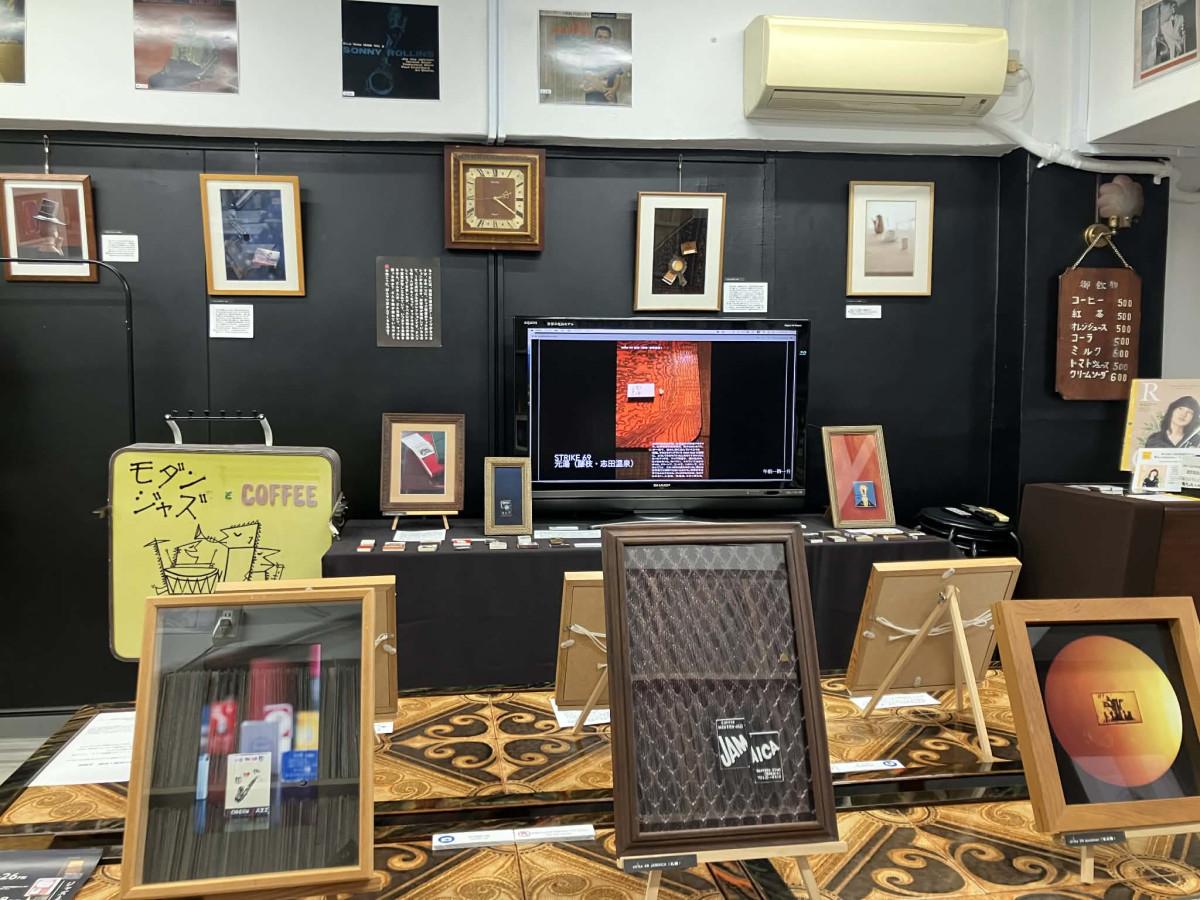
The exhibition «Jazz and the Memory and Records of the City, Part 1: ‘City Lights'» is being held from December 19th at the listening room «Music Chronicle Yokohama» (2 Tokiwacho, Naka-ku, Yokohama), operated by the «Jazz Kissa Preservation Society».
It presents «108 Jazz Stories Told Through Photos and Text», an artistic project featuring matches from 108 jazz cafes across Japan, which were donated to the former jazz cafe Chigusa in Noge. The matches were photographed and are presented alongside text.
The exhibition was planned and produced by a member of the Jazz Kissa Preservation Society, who commented: «What songs did the regulars who frequented jazz cafes back then lose themselves in, and what did they see beyond the flame of a match? We invite visitors to spend a leisurely time imagining those flickering phantoms.»
During the exhibition period, the listening room will not take song requests; instead, a jazz playlist curated for the event will be played, and no music charge will apply.
Part 1 runs until December 26th. Hours are from 1:00 PM to 6:00 PM (until 5:00 PM on the 26th). Admission is free with a drink order required.
Part 2 is scheduled for January at the cafe «I’m home» (3 Aioicho, Naka-ku) and the community space «Taisei Porch» (2 Aioicho, Naka-ku).
The «NEXCO East Japan Yokohama Shindo 50th Anniversary & Dai-San Keihin Road 60th Anniversary Commemorative Event» was held on December 20th at the shopping center «Lalaport Yokohama» (Tsuzuki-ku, Yokohama City).
At the Central Garden KiLaLa, a stage program was organized. The event featured a «Work Vehicle Ride Experience & Uniform Photo» corner where visitors could wear uniforms and take photos, as well as a stamp rally quiz about expressways.
On stage, a representative expressed gratitude for the long-term use of the Dai-San Keihin Road and Yokohama Shindo, which marked their 60th and 50th anniversaries, and explained the roads’ effects: «Travel time from Tokyo’s Setagaya to Enoshima has been reduced by approximately 53 minutes, the economic impact on the regional economy is 4.8 trillion yen, commercial facilities along the route have increased about 47-fold, and emergency transport times have been reduced by an average of 9 minutes.»
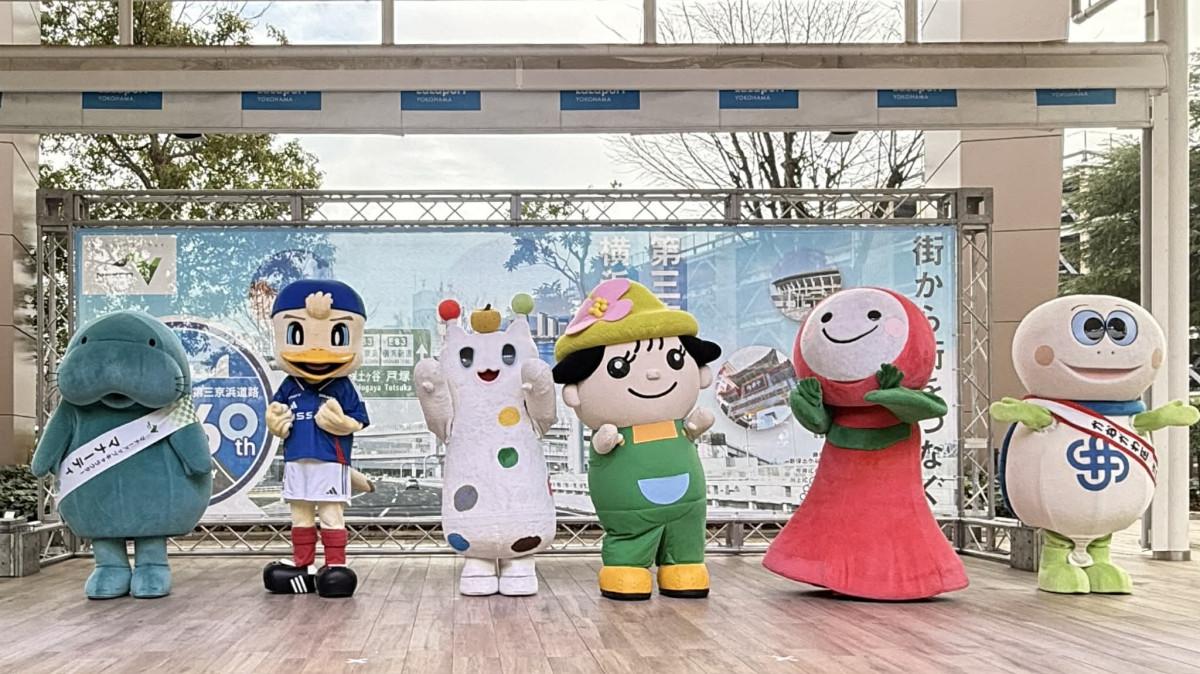
Following this, mascot characters from wards along the routes took the stage, including the official Yokohama F. Marinos character «Marinosuke», «Unashee» (born to commemorate the 70th anniversary of Totsuka Ward’s establishment in 2009), «Mizukii» from Kohoku Ward, «Tsuzuki-ai» from Tsuzuki Ward, and «Kame-taro» from Kanagawa Ward. They engaged in greetings with visitors, such as commemorative photos and handshakes.
The stage events were held three times. The performances at 10:45 AM and 1:00 PM featured the Yokohama F. Marinos official cheerleaders, the «Tricolore Mermaids». The performance starting at 3:00 PM featured songs by a children’s choir.
Within Lalaport Yokohama, panel exhibitions about the two roads were set up in the North Curve Mall. The North Straight area also hosted PR booths for Yokohama City’s GREEN×EXPO 2027 and Yokosuka City.
The event ran until 4:00 PM, with stage events concluding at 3:40 PM. Admission was free.
Music Chronicle Yokohama
Music Chronicle Yokohama is a museum dedicated to the history of popular music in Yokohama, Japan, highlighting the city’s role as a major port that introduced Western music and culture to the country from the late 19th century. It showcases the evolution of genres like jazz, rock, and pop through interactive exhibits, memorabilia, and recordings. The museum chronicles how Yokohama’s unique international atmosphere fostered a vibrant and influential music scene throughout the 20th century.
Jazz Kissa Preservation Society
The Jazz Kissa Preservation Society is an organization dedicated to protecting and promoting Japan’s unique «jazz kissa» (ジャズ喫茶) culture—specialized cafes where patrons listen intently to high-fidelity jazz recordings. These cafes emerged in the post-war era as crucial hubs for jazz appreciation, often built around the personal record collections and passions of their owners. The society works to document these vanishing spaces, archive their histories, and advocate for their cultural significance as quiet sanctuaries of musical devotion.
Chigusa
Chigusa is a celebrated 16th-century Japanese tea leaf storage jar, now designated a National Treasure. Originally a humble Chinese ceramic jar used for storing herbs, it was later brought to Japan and transformed into a prized object for the Japanese tea ceremony, where it was given the poetic name «Chigusa» (meaning «myriad of grasses» or «thousand summers»). Its history is meticulously documented through centuries of ownership, revealing how it was admired, fitted with special accoutrements, and served as a focal point for chanoyu gatherings, embodying the Japanese aesthetic of wabi-sabi.
I’m home
«I’m Home» is not a widely recognized public place or cultural site with a documented history. It is likely a personal expression referring to one’s own residence. Therefore, there is no general history or summary to provide about it as a cultural landmark.
Taisei Porch
Based on available information, **Taisei Porch** is a modern commercial and dining complex located in the Shinjuku district of Tokyo, Japan. It is part of the larger Taisei Corporation headquarters redevelopment, built to revitalize the area and provide a public space with shops and restaurants for both office workers and visitors. Its history is contemporary, opening in the 2010s as a component of urban renewal in one of Tokyo’s major business centers.
Lalaport Yokohama
Lalaport Yokohama is a large shopping and entertainment complex that opened in 2005 in the Minato Mirai district of Yokohama, Japan. It is notable for being built on reclaimed land and for featuring the historic ocean liner *Hikawa Maru*, which is permanently docked beside the mall as a museum ship. The complex is part of the broader waterfront redevelopment that transformed the area into a major commercial and leisure hub.
Dai-San Keihin Road
The Dai-San Keihin Road (第三京浜道路) is a major highway in Japan connecting Tokyo and Yokohama. It was constructed after World War II, opening in 1965, to alleviate traffic congestion on the original Keihin Road and support the region’s rapid economic growth. Today, it remains a vital transportation artery within the Greater Tokyo Area.
Yokohama Shindo
Yokohama Shindo (横浜新道) is a historic road in Yokohama, Japan, constructed in the late 19th century during the Meiji era. It was built to connect the city’s bustling international port and Kannai foreign settlement area with the Yamate Bluff residential district, serving as a vital route for foreign residents and trade. Today, it is a preserved, tree-lined street offering a scenic walk through a key area of Yokohama’s early modernization and cosmopolitan history.
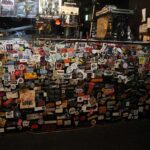
Pegatinas de artistas cubriendo la pared
Yokohama ...
Utilizamos cookies para garantizar la mejor experiencia de usuario y analizar el tráfico. Al continuar navegando por el Sitio, usted acepta nuestra
[Política de cookies]. 🍪