On April 14, the Fengtai District 2025 “Ten Scenarios” launch event was held at the Fengtai Innovation Center. The 2025 “Ten Scenarios” were announced, covering areas such as youth innovation and entrepreneurship, development of new quality productive forces, opening up, legal-business integration, enterprise services, green ecological development, and consumption format integration. From “offering incentives” to “providing opportunities,” Fengtai uses scenarios as a medium to connect technology supply with market demand, promote the implementation of new economic formats, and paint a new picture of the future city.
The selection process combined online voting with professional evaluation and expert opinions. From 22 candidate scenarios, the Fengtai District 2025 “Ten Scenarios” were finally chosen.
The “Ten Scenarios” are: Beijing Line 10 Youth Innovation Village for youth innovation and entrepreneurship; Xinfadi Digital Smart Food “AI+Fresh-Cut Vegetables” Group Meal Smart Kitchen Application Scenario; Beijing International Legal-Business Integration Demonstration Zone (Lize) Legal-Business Service Scenario; “Learning Without Boundaries, Growth with Sound” Education+Park+Governance New Domain New Quality Education Scenario; Beijing Private Enterprise Living Room + Future Entrepreneur Training Camp Integrated Service Scenario; Swallow View City: Nanyuan Forest Wetland Park Urban Low-Carbon Ecological Model Demonstration Scenario; Beijing Flower Trading Center “Flower+” and Wilderness Garden Bookstore “Book Fragrance with Flower Fragrance” Cross-Border Integration Scenario; Fengtai Aerospace Information Technology Innovation Application Scenario; “Xianfeng Qihang” Overseas Comprehensive Service Scenario; “Student Scholars’ Reading Hall” Youth Talent Academic Exchange Space.
“Scenario cultivation” has been a hot topic in recent years. With scenarios, new technologies, products, business formats, and policies have a foundation to be implemented, tested, and improved. In November last year, the General Office of the State Council issued implementation opinions on accelerating scenario cultivation and opening to promote large-scale application of new scenarios, systematically deploying scenario cultivation and opening at the national level. Based on this, Fengtai District, considering its own reality, innovatively proposed the goal of “full-region scenarization” to build a “full-region scenario city.”
“There is a concept called ‘city as a laboratory,’ and Fengtai’s ‘full-region scenarization’ is similar to this idea,” said a professor and vice dean at the School of Public Administration at Renmin University of China. Fengtai is not limited to a single functional area or pilot project but views the entire city as an open, dynamic, and perceptible innovation experiment field, making every street, park, and public space capable of carrying technology verification and model exploration potential.
The selected “Happy Learning Park” new quality education scenario breaks down campus walls, turning urban green spaces into all-domain natural classrooms. Using the Shiliuzhuang Street Colorful Learning Safety Road as a carrier, it creates a “Road Poetry Block,” reshaping a hundred-meter community road into a readable, interactive poetic aesthetic space.
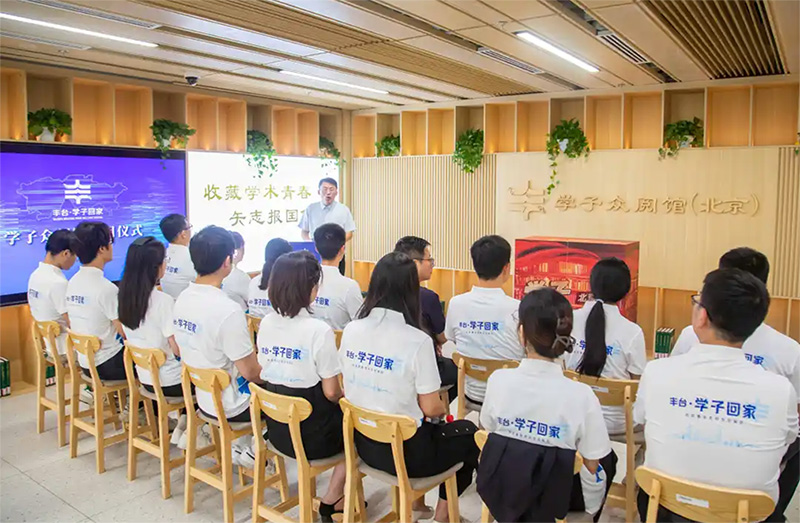
Located on the South Central Axis, the “Student Scholars’ Reading Hall” collects over 6,000 academic works from nearly 300 domestic and international universities, including Tsinghua University, Peking University, and MIT. It has gathered more than 200 published papers from world-class journals such as Nature and Cell, providing a platform for interaction and exchange for young talents, enhancing their sense of belonging and identity with the city.
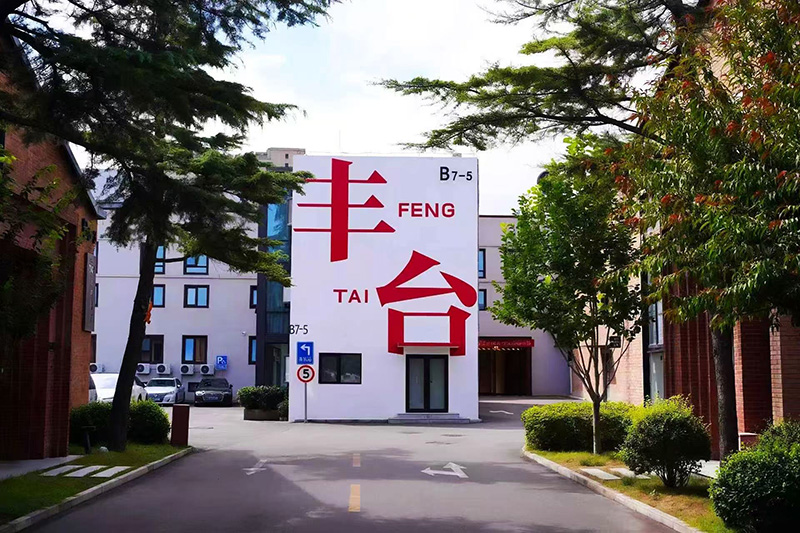
The Beijing Line 10 “Youth Innovation Village” youth innovation and entrepreneurship scenario was highly voted for selection. The core area covers five industrial parks and has cultivated over 329 youth innovation enterprises. The next goal for the “Youth Innovation Village” is to gather 10,000 innovative talents, cultivate 1,000 high-quality enterprises, and create 10 billion yuan in output value, striving to become the core engine for innovation-driven development in Fengtai and even the southwestern Beijing area.
Several selected scenarios demonstrate Fengtai District’s practical measures to continuously optimize the business environment. “Service” is the key word for these scenarios.
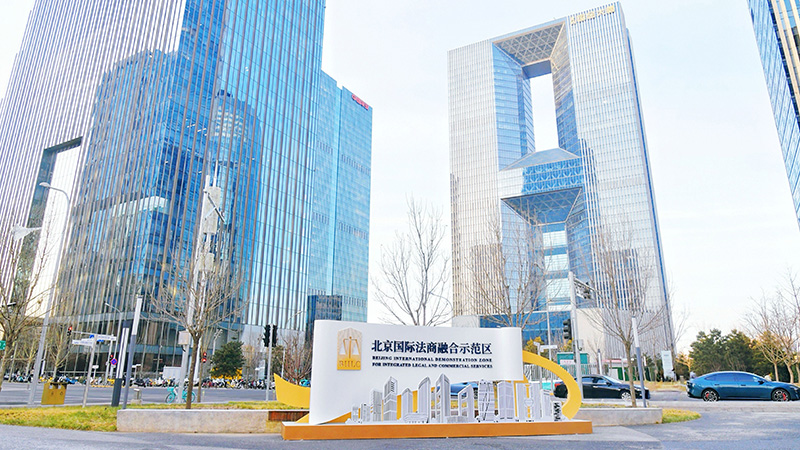
In September 2025, Beijing approved starting with the core area of Lize Financial Business District to build the Beijing International Legal-Business Integration Demonstration Zone. This zone has already gathered