Original Title: Political Bureau of CPC Central Committee Holds Democratic Life Meeting, Emphasizes
Persistent Implementation of the Central Committee’s Eight-Point Decision on Improving Conduct
Gathering Strength and Working Hard with a Fine Work Style
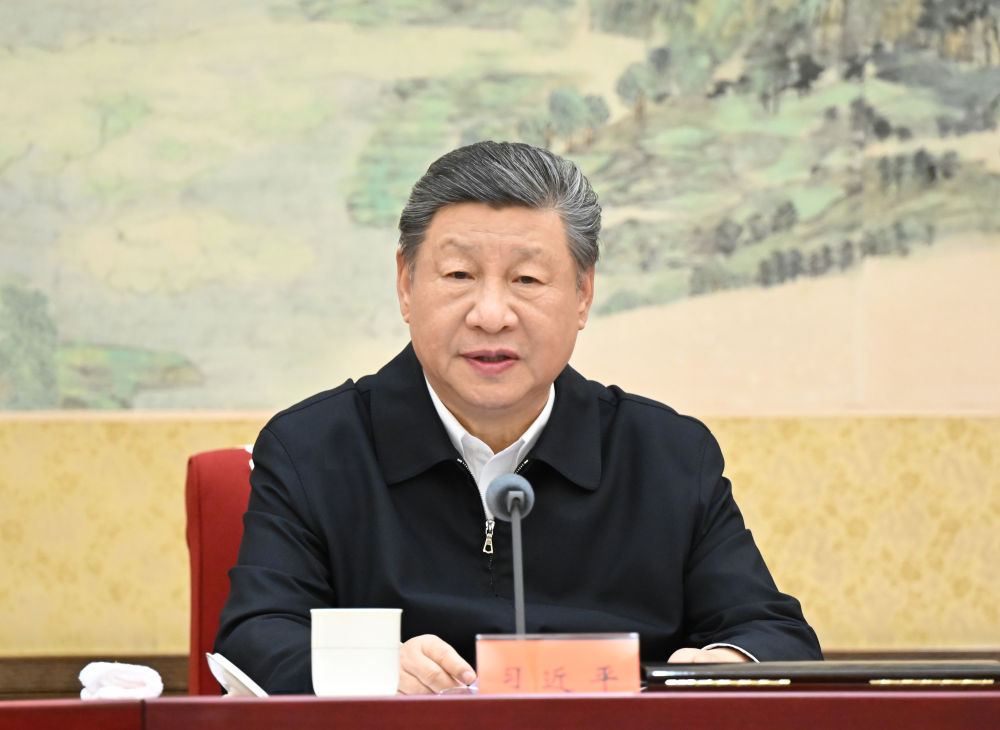
Xi Jinping, General Secretary of the CPC Central Committee, Presides Over the Meeting and Delivers an Important Speech
BEIJING, Dec. 26 – The Political Bureau of the Communist Party of China (CPC) Central Committee held a democratic life meeting on December 25-26. The meeting focused on thoroughly studying and implementing Xi Jinping Thought on Socialism with Chinese Characteristics for a New Era, fully implementing the spirit of the Fourth Plenary Session of the 20th CPC Central Committee, and persistently implementing the Central Committee’s Eight-Point Decision on Improving Conduct. It aimed to promote the normalization and long-term effectiveness of work style improvement. Participants conducted self-examination and Party spirit analysis based on their ideological and practical work situations, engaging in criticism and self-criticism.
Xi Jinping, General Secretary of the CPC Central Committee, presided over the meeting and delivered an important speech.
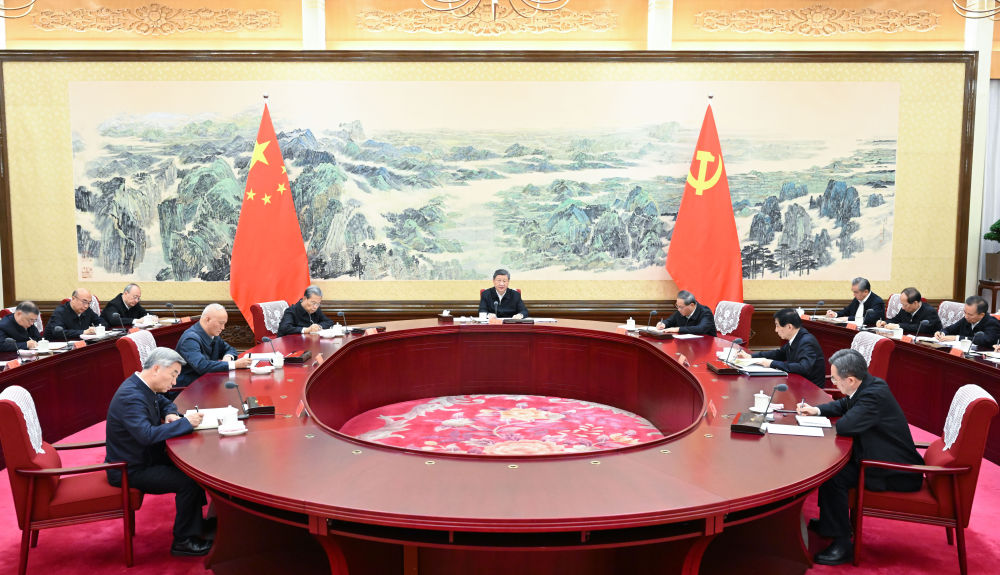
Prior to the meeting, relevant parties made careful preparations. Members of the Political Bureau held heart-to-heart talks with relevant responsible comrades, listened to opinions and suggestions, and prepared outlines for their speeches. During the meeting, reports were first heard on the implementation of the Central Committee’s Eight-Point Decision by the Political Bureau in 2025 and on the work to address pointless formalities and reduce burdens on grassroots units in 2025. Members of the Political Bureau then delivered speeches one by one. Centering on the meeting’s theme and in accordance with the “Several Regulations of the Political Bureau of the CPC Central Committee on Strengthening and Upholding the Centralized and Unified Leadership of the Party Central Committee” and the “Detailed Rules for the Implementation of the Eight-Point Decision by the Political Bureau of the CPC Central Committee,” they conscientiously examined problems, conducted in-depth analysis, spoke frankly and freely. The atmosphere was both serious and lively, achieving the expected results.
The speeches by the members of the Political Bureau focused on five key areas. First, taking the lead in strengthening political loyalty and enhancing political capability. Second, taking the lead in consolidating foundations and strengthening Party spirit. Third, taking the lead in holding the people, the organization, and laws and regulations in awe. Fourth, taking the lead in pursuing work and entrepreneurship with a sense of responsibility. Fifth, taking the lead in resolutely shouldering the responsibility of governing the Party with strict discipline.
The meeting emphasized that 2025 has been an extraordinary year. Faced with severe challenges from domestic and international situations, the Party Central Committee with Comrade Xi Jinping at its core united and led the entire Party and people of all ethnic groups across the country in tackling difficulties and striving hard. The main targets for economic and social development are set to be successfully accomplished, and the 14th Five-Year Plan period is about to be successfully concluded. China’s economy has advanced under pressure, developing with new and improved qualities. Reform and opening up have taken new steps, people’s livelihoods have been better ensured, and overall social stability has been maintained. These achievements have not come easily.
Members of the Political Bureau unanimously agreed that the new major achievements in the Party and the country’s endeavors are fundamentally attributable to the strong leadership of the Party Central Committee with Comrade Xi Jinping at its core and the scientific guidance of Xi Jinping Thought on Socialism with Chinese Characteristics for a New Era. The entire Party must deeply comprehend the decisive significance of the “Two Establishments,” strengthen the “Four Consciousnesses,” firm up the “Four Confidences,” and achieve the “Two Upholds.” Next year marks the