Shanghai launches “Sweet Economy” with a “Sweet Passport” introduced across three Yangtze River Delta cities.
On May 20, it was learned from the Shanghai Civil Affairs Bureau that a total of 3,729 couples registered their marriages in Shanghai. Among them, 1,735 couples, accounting for about 46.53%, were both from outside the city, under the nationwide marriage registration policy.
The nationwide marriage registration policy took effect on May 10, 2025, allowing couples to register for marriage without being restricted by their permanent residence.
To welcome “520,” various districts in Shanghai tailored their approaches, forming unique “sweet economy” models.
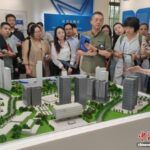
On the same day, the 2026 “Love in Shanghai · Sweet Set Sail” series of events began across the city. At the “Sweet Station” in the Shanghai Automobile Expo Park in Jiading District, a ceremony for the release of new couples’ rights and a 520 group wedding event romantically started, with couples receiving a “Newlywed Gift Package.”
Several car companies acted as “sweet recommendation officers,” offering exclusive car purchase benefits for couples who registered their marriage in Shanghai in 2026. According to reports, these discounts are additional concessions by the car companies beyond national, municipal, and district subsidies. A marriage certificate is all it takes to “set off sweetly.”
On May 20, the civil affairs departments of Shanghai Qingpu, Jiangsu Wujiang, and Zhejiang Jiashan jointly launched the “Yangtze River Delta Integration Demonstration Zone Sweet Passport.”
The civil affairs departments of Qingpu, Wujiang, and Jiashan jointly launched the “Yangtze River Delta Integration Demonstration Zone Sweet Passport.”
This passport integrates resources from Qingpu, Wujiang, and Jiashan, gathering exclusive discounts in areas such as dining, retail, and cultural tourism, and links multiple sweet check-in routes featuring the characteristics of Jiangnan water towns.
Shanghai
Shanghai is a major global financial hub and one of China’s most populous cities, located on the eastern coast at the mouth of the Yangtze River. Its history as a prominent port and trading center began in the 19th century, particularly after the Treaty of Nanjing in 1842 opened it to foreign powers, leading to the establishment of international concessions. Today, Shanghai is renowned for its modern skyline, exemplified by the Pudong district, while also preserving historic areas like the Bund and traditional gardens.
Shanghai Automobile Expo Park
The Shanghai Automobile Expo Park is a major automotive culture and exhibition complex in Shanghai, China, centered around the history and future of the automobile industry. Its development is closely tied to China’s rapid automotive growth, and it features the Shanghai Auto Museum, which showcases over a century of car evolution with vintage and concept vehicles. The park also includes a convention center and test tracks, making it a hub for both industry events and public education on automotive technology.
Jiading District
Jiading District, located in northwestern Shanghai, is a historic suburb known for its well-preserved ancient gardens and cultural landmarks. Originally established as a county during the Southern Song Dynasty (1218), it later became a key center for education and the arts, home to the renowned Confucian Temple and the Qiuxiapu Garden. Today, Jiading blends its rich historical heritage with modern development, featuring attractions like the Shanghai International Circuit and the vibrant Nanxiang Old Street.
<
Shanghai
Shanghai is a major global financial hub and one of China’s largest cities, with a history as a prominent trading port in the 19th and early 20th centuries. It was divided into foreign concessions after the Opium Wars, blending Eastern and Western cultures, which is still visible in its architecture. Today, Shanghai is known for its modern skyline, historic Bund waterfront, and vibrant cultural scene.
Shanghai Automobile Expo Park
The Shanghai Automobile Expo Park is a comprehensive cultural and leisure destination in Jiading, Shanghai, dedicated to the history and future of the automotive industry. It features the Shanghai Auto Museum, which showcases the evolution of automobiles through vintage cars and interactive exhibits. The park also includes a convention center and test track, reflecting Shanghai’s role as a hub for automotive innovation and trade.
Jiading District
Jiading District is a historic suburb of Shanghai, China, with a history dating back over 800 years to the Southern Song Dynasty. It is renowned for its well-preserved classical gardens, such as Qiuxia Garden, and traditional Confucian architecture, including the Jiading Confucian Temple. The district also played a significant role in the development of Shanghai’s cultural and educational heritage.
Shanghai Qingpu
Shanghai Qingpu is a district located in the western part of Shanghai, known for its rich history as an ancient water town and its scenic canals. Its history dates back over 6,000 years to the Neolithic period, with notable sites like Zhujiajiao, a well-preserved Ming and Qing dynasty water town. Today, Qingpu blends historical charm with modern development, featuring attractions like Dianshan Lake and cultural festivals that highlight its heritage.
Jiangsu Wujiang
Jiangsu Wujiang is a historic district located in Suzhou, Jiangsu Province, China, known for its rich cultural heritage and scenic water towns. Once an independent county with a history dating back over 2,500 years, it was a key center of silk production and trade during the Ming and Qing dynasties. Today, Wujiang is celebrated for its classical gardens, ancient canals, and well-preserved traditional architecture, blending its storied past with modern development.
Zhejiang Jiashan
Zhejiang Jiashan is a county in northern Zhejiang Province, China, known for its rich cultural heritage and scenic water towns. Historically, it has been an important agricultural region since ancient times, with its name meaning “Good at the River” reflecting its reliance on waterways for trade and farming. Today, Jiashan is recognized for its well-preserved ancient towns, such as Xitang, and its role in the Yangtze River Delta’s economic development.
Yangtze River Delta Integration Demonstration Zone
The Yangtze River Delta Integration Demonstration Zone is a key Chinese initiative established in 2019 to promote regional economic and social integration across parts of Shanghai, Jiangsu, and Zhejiang provinces. It aims to create a model for coordinated development by breaking down administrative barriers and fostering innovation, infrastructure connectivity, and environmental protection. The zone builds on the long history of the Yangtze River Delta as a cultural and economic hub, dating back to ancient trade and canal networks.
Jiangnan water towns
Jiangnan water towns are historic canal-side settlements in the Yangtze River Delta region of China, known for their picturesque stone bridges, winding waterways, and traditional whitewashed architecture. Dating back over a thousand years, these towns flourished during the Ming and Qing dynasties as centers of trade, silk, and rice cultivation. Today, places like Zhouzhuang and Wuzhen preserve this ancient charm, attracting visitors seeking a glimpse into classical Chinese water-town culture.