On May 15, a research team led by a high-ranking official visited Shanghai to investigate systems for improving entry and living convenience for foreigners and protecting overseas interests. Other officials participated in related activities.
During the visit, the team toured several locations, including a famous arts district, a conference hall, a one-stop service center at the airport, as well as international communities and law firms. They examined inbound tourism and cultural-commercial services, the development of comprehensive service platforms for global talent and businesses, entry-exit convenience services, integration services for foreigners, and foreign-related legal matters, gathering feedback and suggestions. The team praised Shanghai’s role as a reform pioneer and development innovator, noting its effective practices in helping foreigners work and live in China, integrate into local society, and improve the convenience and international appeal of inbound tourism. They also highlighted achievements in promoting democratic processes, foreign-related legal construction, and Chinese culture, as well as providing efficient legal services for enterprises and citizens expanding abroad. Foreigners in Shanghai reported positive experiences, expressing willingness to stay and develop, showcasing the city’s open, innovative, and inclusive character. The team encouraged Shanghai to follow national guidance, leverage special policy advantages, and lead in further improving entry and living convenience systems and protecting overseas interests, creating replicable and scalable models. This would contribute ideas and suggestions for national legislative research and system improvement, supporting the broader goal of high-level opening up.
Other committee members also participated in the research.
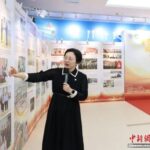
Huangpu Tianzifang
Huangpu Tianzifang is a vibrant arts and crafts enclave located in the French Concession area of Shanghai, China. Originally a residential neighborhood of traditional Shikumen (stone-gate) houses built in the 1920s, it was revitalized in the late 1990s by artists and entrepreneurs, transforming it into a popular tourist destination. Today, it is known for its narrow, winding alleys filled with boutique shops, galleries, cafes, and studios, blending old Shanghai charm with modern creativity.
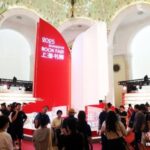
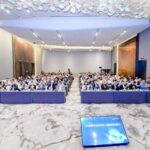
Jing’an International Conference Hall
Jing’an International Conference Hall is a modern, large-scale venue located in the Jing’an District of Shanghai, China, known for hosting international conferences, exhibitions, and cultural events. Originally built in the early 2000s, it was designed to support Shanghai’s growing role as a global business and diplomatic hub. The hall reflects the district’s blend of contemporary development and historic significance, as Jing’an is named after the ancient Jing’an Temple, a site dating back over 1,700 years.
Pudong Airport
Pudong Airport, officially known as Shanghai Pudong International Airport, opened in 1999 and is one of China’s busiest aviation hubs. Located in the Pudong New Area of Shanghai, it was built to accommodate the city’s rapid economic growth and global connectivity, replacing the older Hongqiao Airport for most international flights. The airport features a distinctive modern design and has undergone multiple expansions, including the addition of the world’s largest satellite terminal in 2019.
Huangpu Tianzifang
Huangpu Tianzifang is a popular arts and crafts enclave located in the former French Concession area of Shanghai, China. Originally a residential neighborhood of traditional Shikumen-style alleyways, it was revitalized in the late 1990s and early 2000s into a vibrant cultural and tourist destination, featuring unique boutiques, galleries, and cafes. The area retains its historic architectural charm while showcasing contemporary creativity, making it a must-visit site for experiencing Shanghai’s blend of old and new.
<div class="my-4 p-4 rounded-lg shadow-md bg-blue-50 border-l-4 border-blue-
Huangpu Tianzifang
Huangpu Tianzifang is a popular cultural and tourist area in Shanghai’s Huangpu District, known for its labyrinth of narrow alleys lined with traditional Shikumen-style buildings. Originally a residential area built in the 1920s and 1930s, it was later transformed into a vibrant arts and crafts enclave, featuring boutique shops, galleries, cafes, and restaurants. The site preserves the historic charm of old Shanghai while showcasing contemporary creativity and local culture.
Jing’an International Conference Hall
The Jing’an International Conference Hall is a modern, multi-purpose venue located in the Jing’an District of Shanghai, China, known for hosting high-level business, cultural, and diplomatic events. While the hall itself was built in the 21st century as part of the district’s urban development, its location is historically significant, as Jing’an District is named after the ancient Jing’an Temple, a Buddhist temple with a history dating back over 1,800 years. Today, the conference hall stands as a symbol of Shanghai’s blend of tradition and modernity.
Pudong Airport
Pudong Airport, officially known as Shanghai Pudong International Airport, opened in 1999 to serve as a major international gateway for Shanghai, China. It was built on reclaimed land in the Pudong New Area, a rapidly developing economic zone, and has since grown into one of the world’s busiest cargo and passenger hubs. Its distinctive terminal designs, including the iconic Terminal 1 and the satellite terminal, reflect the city’s modern ambitions and global connectivity.