On the first day of the New Year 2026, the centuries-old Tongyun Bridge in Zhangjiawan Town, Tongzhou, was alive with the sound of drums and music. Acrobatic flag-waving performances soared and dipped, vendors’ calls filled the air, blending with the melodious tunes of folk music to create a New Year’s overture. The Zhangjiawan Grand Market opened that day, offering a cultural feast that blended ancient charm with modern vibrancy.
As part of Tongzhou District’s “Galloping Forward, Canal Grand Market” New Year celebration theme, the Zhangjiawan Grand Market focused on a one-stop experience of “strolling, appreciating, tasting, shopping, and entertaining.” It integrated diverse sections including cultural performances, intangible cultural heritage displays, folk customs, specialty commerce, and creative marketplaces.
The event commenced with a performance by a neo-classical folk music ensemble. Classic folk music suites like “Golden Snake Dance,” “Beautiful Flowers and Full Moon,” “Joyful,” and “Spring Festival Overture” were played in succession, allowing citizens to appreciate the charm of traditional music through the sounds of strings and bamboo.
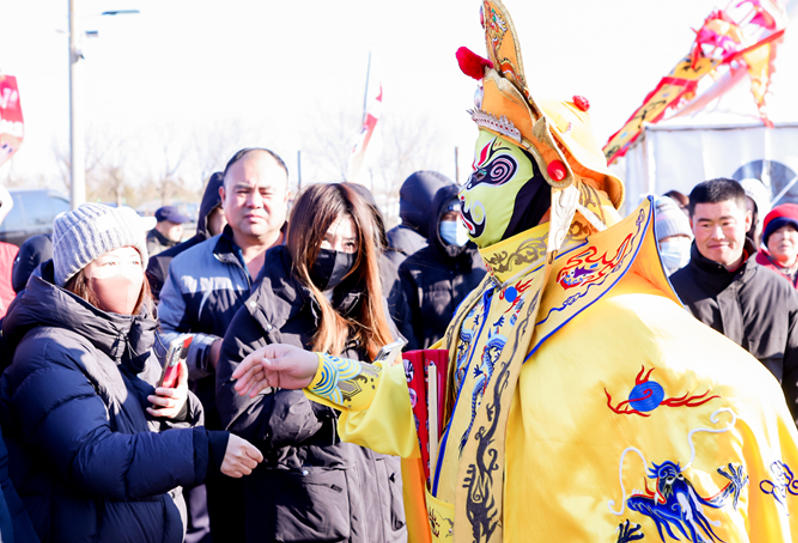
In the intangible cultural heritage and folk performance area, Zhangjiawan’s heritage teams presented lion dances. A children’s martial arts performance titled “Nezha” featured crisp and clean moves. Acrobats skillfully tossed, caught, and balanced multi-meter-long flags on their heads. The instant face-changing of Sichuan opera elicited gasps of amazement from the audience.
After the official market opening, ten stall owners were awarded “Zhangjiawan Grand Market Featured Stall” certificates. The featured market area hosted over 20 stalls, while the traditional sales area featured more than 200 merchants. The stalls collectively showcased intangible cultural heritage handicrafts like silk figurines and hairy monkeys, as well as high-quality agricultural products such as strawberries from local tech yards, golden ear mushrooms from Nandahua Village, and self-brewed spirits from Shaijiu Alley.
Beyond watching performances and shopping, the event site featured interactive zones and photo spots to make the market experience more engaging for visitors. Long lines formed for games like “Lucky Toss” and “Lucky Spin,” where citizens tried their luck. The special photo frame in front of Tongyun Bridge and themed photo walls incorporating New Year elements became popular spots, attracting visitors to take pictures and capture the joyful moments of the first day of the year.
“We bought fresh local fruits and vegetables, took the kids to see the wonderful performances and play games. We didn’t expect the New Year’s market to be so much fun,” said a resident.
It was noted that the Zhangjiawan Grand Market brings together cultural flavor, the lively atmosphere of daily life, human warmth, and the spirit of the New Year. Furthermore, through the “traditional market + industry” model, it supports the development of distinctive rural brands and injects consumer momentum into rural revitalization. Statistics show the market received an average of 7,000 visitors daily, with sales reaching over 200,000 yuan.
It is understood that from the Winter Solstice to the Lantern Festival, the “Canal Grand Market,” under the theme “The Canal Connects North and South, New Year Spirit Gathers at the Market,” will continue to offer a variety of cultural activities. Eight rural markets in Tongzhou, including the Zhangjiawan Grand Market, will host over 50 events featuring folk custom experiences, intangible cultural heritage displays, and themed civilized practice activities. Traditional skills like flag-waving, acrobatics, stilt walking, and small cart performances will take turns being featured at the markets.
“By organizing the Canal Grand Market events, we allow citizens to immerse themselves in the profound heritage of canal culture and the rich atmosphere of traditional festivals while they shop, highlighting the unique charm and vibrant energy of the Canal Grand Market as a rural cultural and tourism scene.”