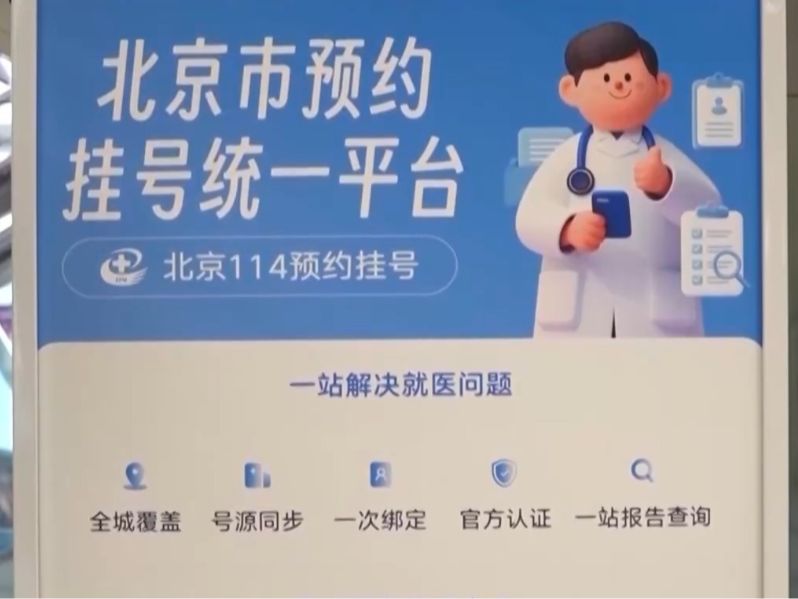
Beijing possesses abundant medical resources and specialists across various disciplines, but in the past, the information systems of different hospitals were not interconnected. In recent years, through continuous promotion of information system development, Beijing has integrated functions such as appointment booking and report inquiry from all secondary and tertiary hospitals in the city into a unified municipal platform.
After a doctor prescribes medication or tests, patients previously had to take the slip to a self-service machine or a payment window. Now, through Beijing’s Unified Appointment Booking Platform, they can make payments online and have medical insurance settlements processed directly. The Unified Appointment Booking Platform serves as a large cloud-based resource repository. Relevant test reports and medical images from secondary and tertiary hospitals are uploaded to it, allowing patients to view and share them conveniently on their mobile phones. Furthermore, reports and images can now be accessed and recognized across different hospitals.
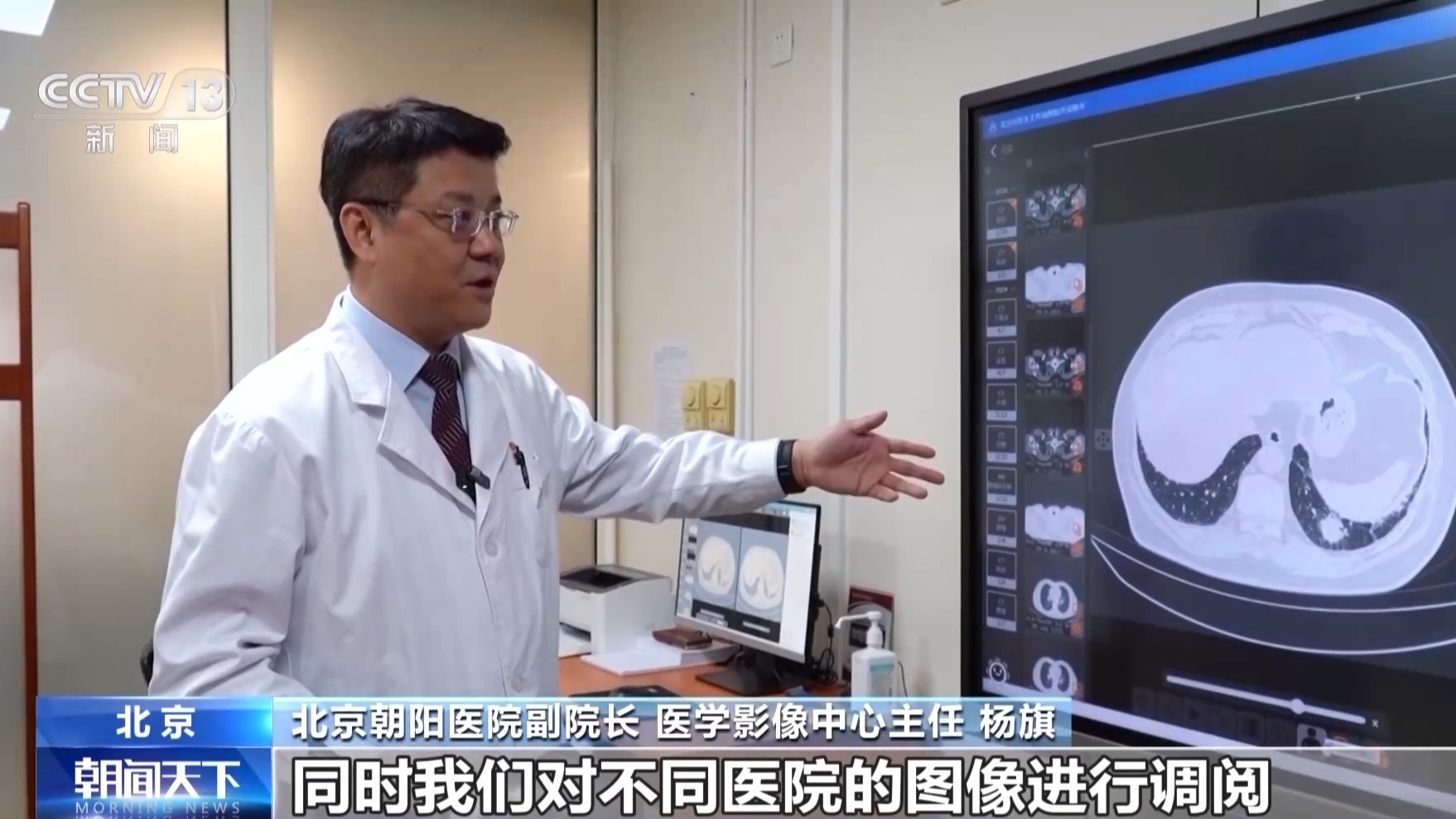
Traditional physical films only allowed a partial set of images to be presented to doctors. Now, by browsing through thousands of images overall, multi-angle three-dimensional reconstruction is possible. Simultaneously, images from different hospitals can be accessed, and comparisons of the same lesion at different time points can be made, which can precisely guide clinical treatment. After implementing cloud-based medical imaging, examination fees and film fees have been completely separated in outpatient and inpatient departments. If physical films are genuinely needed, patients can then make self-service payments.

To facilitate use by the elderly, the platform has also launched a “Senior Care Edition,” featuring extra-large fonts and a simplified process. It is equipped with over 200 manual service seats, allowing appointments to be made by calling 114.

We will continue to roll out new features, promoting the upgrade and transformation of the city’s primary healthcare information systems. Information from all levels—primary care, secondary hospitals, and tertiary hospitals—will be fully aggregated. For hospitals, this reduces redundant construction. For patients, it avoids the need to search different platforms across multiple hospitals. Individuals can query all their personal health information on the city’s unified platform, which also helps people manage their own health.