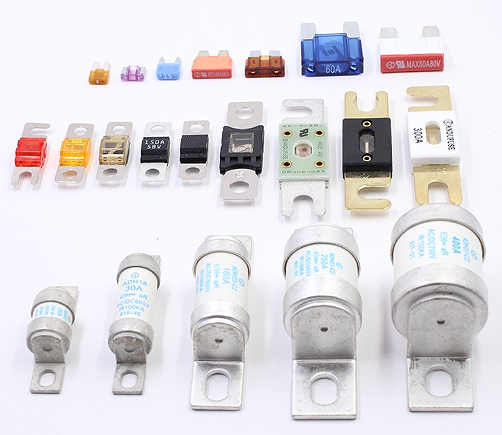
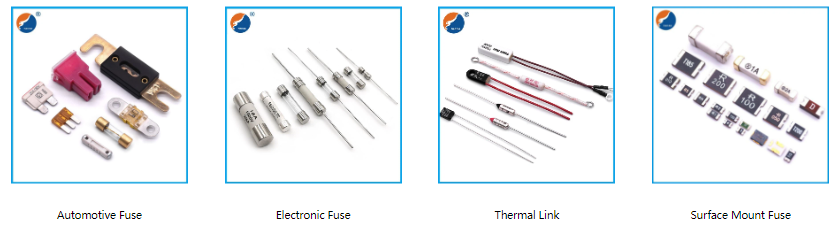
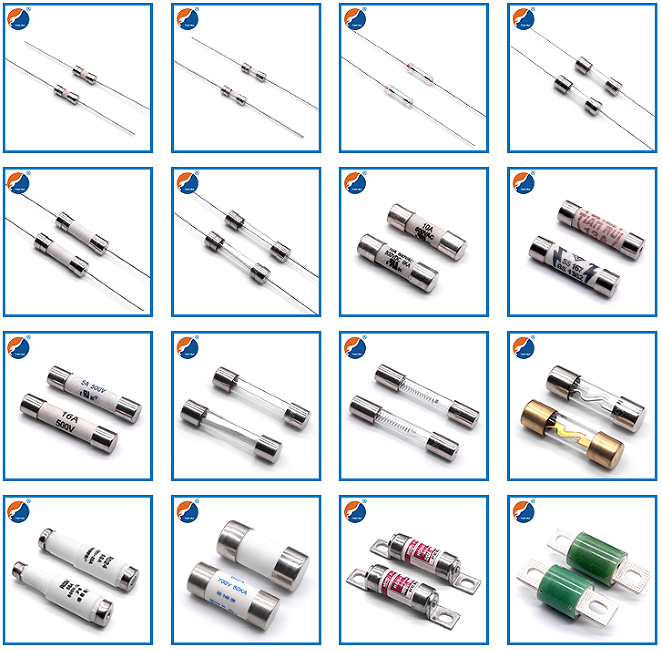
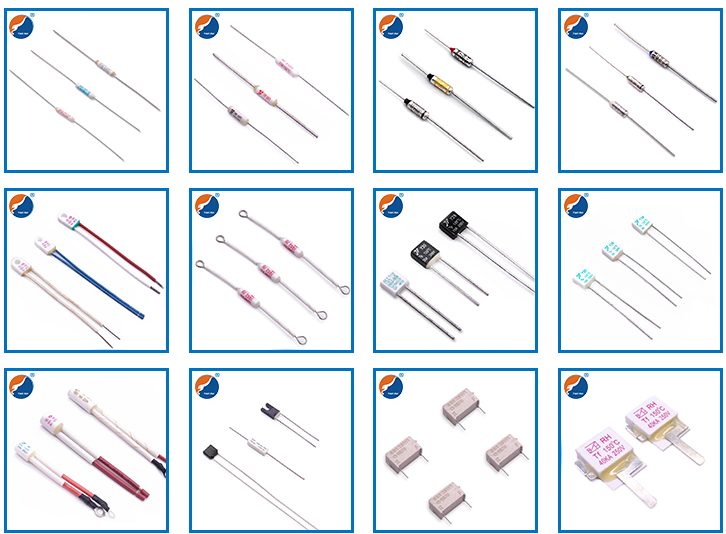
Fuses are essential components in electronic devices, designed to protect circuits from overcurrent that could lead to damage or failure. Here is an overview of their evolution and role in electronics:
Early Developments
Origin: The concept of the fuse originated in the late 19th century. The first practical fuse was invented in the 1880s. It was a simple thin wire that would melt and break the circuit if the current exceeded a certain limit.
Primary Function: Initially, fuses were used primarily in electric lighting systems. Their main function was to prevent overheating and potential fires by breaking the circuit when excessive current flowed.
Design Advancements
Material Improvements: Over time, the materials used in fuses evolved. Early fuses were made from copper or silver wire. Modern fuses utilize various metals and alloys that melt at specific temperatures, providing more reliable protection.
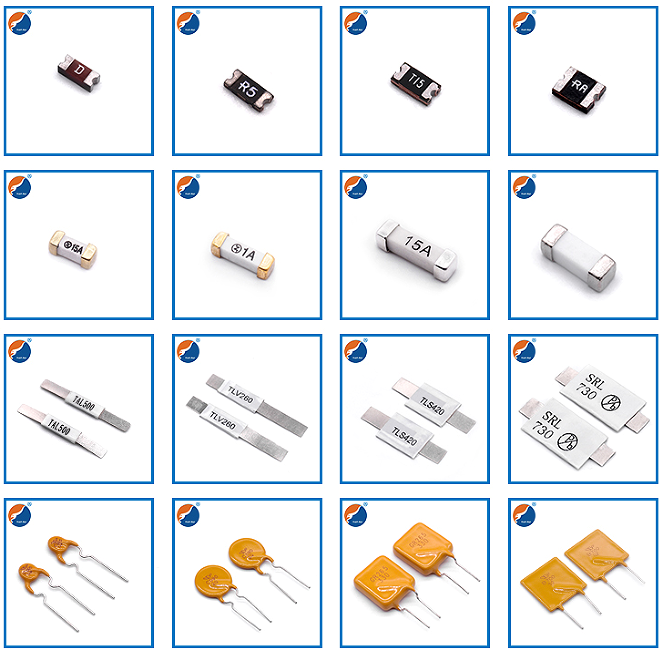
Miniaturization: As electronic devices became smaller, fuses were miniaturized to fit compact designs. Surface-mount fuses, which can be soldered directly onto a printed circuit board, have become common in modern electronics.
Smart Fuses: Advancements have led to the development of smart fuses, which can provide additional features such as resettability or monitoring functions. These fuses can interact with other circuit components, offering better protection and diagnostics.
Modern Applications
Consumer Electronics: In everyday devices like smartphones, laptops, and home appliances, fuses are used to protect sensitive components from power surges and faults.
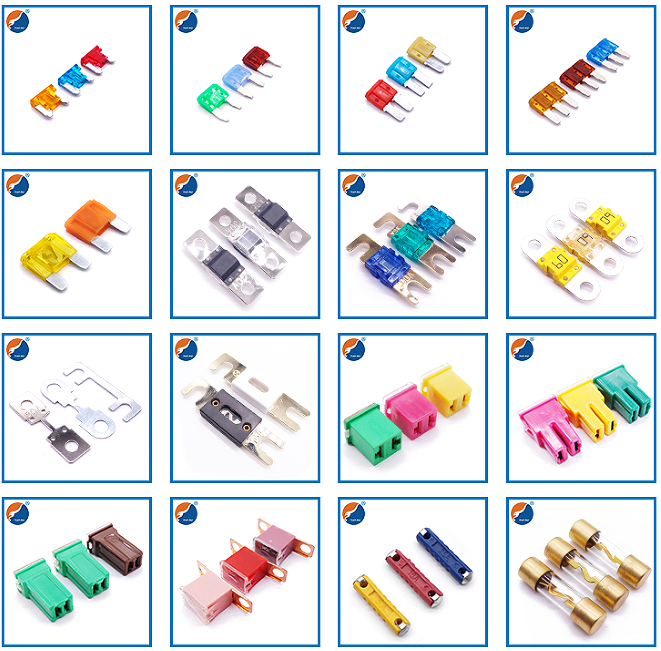
Automotive Industry: In vehicles, fuses are crucial for protecting electronic systems, from entertainment units to safety systems. Automotive fuses are specially designed to withstand vibration and extreme temperatures.
Industrial Equipment: In industrial settings, fuses are used to protect machinery and control systems. High-voltage and high-current fuses are rated to handle large amounts of electrical power and provide reliable protection in harsh environments.
Trends and Future Directions
Advanced Materials: Research into new materials that can improve fuse performance and reliability is ongoing. For example, ceramic fuses and other advanced materials offer better heat dissipation and more precise protection.
Integration with Smart Technologies: The integration of fuses with smart technologies and IoT (Internet of Things) devices is on the rise. This enables real-time monitoring and automatic responses to electrical faults, enhancing safety and efficiency.
electric lighting systems
Electric lighting systems are not a single place or cultural site, but a transformative technology. Their history began with the development of the incandescent light bulb in the late 19th century, most famously by Thomas Edison, which led to the creation of widespread public and private electrical grids. This innovation fundamentally changed human life by extending productive hours, reshaping cityscapes, and altering social and architectural patterns.
printed circuit board
A printed circuit board (PCB) is a foundational component of modern electronics, providing the mechanical structure and electrical connections for components. It was invented in the early 20th century, with Austrian engineer Paul Eisler often credited for developing the first functional PCB around 1936 while working on a radio set. This innovation revolutionized electronics by replacing bulky, unreliable hand-soldered wiring with a compact, reliable, and mass-producible platform.
smartphones
Smartphones are handheld computing devices that evolved from basic mobile phones in the late 2000s, integrating features like internet connectivity, touchscreens, and third-party applications. They have since become a dominant global cultural force, fundamentally reshaping communication, commerce, and media consumption.
laptops
“Laptops” are not a specific place or cultural site, but a category of portable personal computers. Their history began in the late 1970s and early 1980s with the development of early portable models like the Osborne 1, evolving through decades to become essential tools for work, education, and communication in modern global culture.
home appliances
“Home appliances” is not a specific place or cultural site, but a category of machines designed for domestic tasks. Their history is tied to the 20th century’s electrification and mass production, which transformed household labor by introducing devices like refrigerators, washing machines, and vacuum cleaners. This technological evolution significantly changed daily life, architecture (with dedicated kitchen and laundry spaces), and social norms regarding domestic work.
automotive industry
The automotive industry emerged in the late 19th century, pioneered by figures like Karl Benz and Henry Ford, whose introduction of the moving assembly line revolutionized mass production. It has since grown into a global economic pillar, driving technological innovation and shaping modern transportation, culture, and urban development worldwide.
industrial equipment
“Industrial equipment” is not a specific place or cultural site, but a broad category of machinery used in manufacturing and production. Historically, the development of this equipment, from steam engines to automated assembly lines, powered the Industrial Revolution and transformed economies and societies. Sites like historic factories or museums (e.g., the Henry Ford Museum in the U.S.) now preserve this equipment as cultural heritage, showcasing the technological evolution of industry.
IoT (Internet of Things)
The Internet of Things (IoT) is not a physical place but a global technological concept describing the network of everyday physical objects embedded with sensors and software to connect and exchange data over the internet. Its conceptual foundations emerged in the late 20th century, with the term coined around 1999, and it has rapidly evolved with advancements in wireless networks, miniaturized electronics, and cloud computing. Today, IoT forms a vast, invisible cultural and infrastructural layer that connects everything from household appliances to industrial machines, transforming how societies live and work.