On one hand, global demand for power batteries continues to surge, while on the other hand, the industry chain is experiencing “rising revenue without rising profits.” As the “top player” firmly controlling over 70% of global production capacity, how exactly are Chinese battery companies breaking through? Simply put—faster, longer, lighter, and safer.
Faster
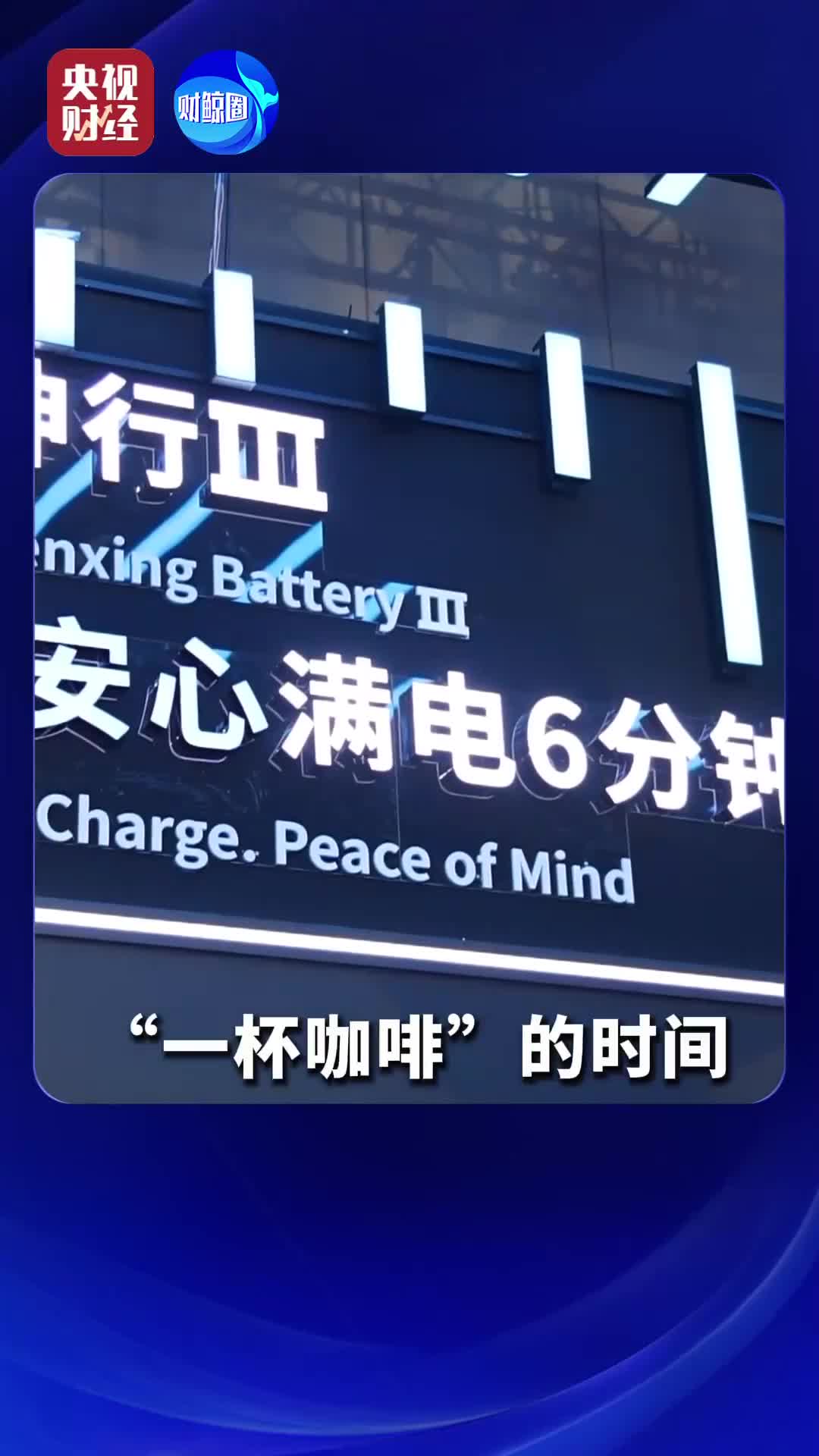
China’s ultra-fast charging technology has set a new record—fully charging in just 6 minutes under normal temperature conditions, compressing “range anxiety” into the time it takes to drink a cup of coffee.
Longer
Battery range has surpassed 1,500 kilometers. What does that mean? From Beijing to Nanjing, about 1,000 kilometers, a single charge can get you there without needing to recharge along the way.
Lighter
“Even a lightweight can go farther.” The battery pack weighs less than 650 kilograms, shedding 255 kilograms compared to lithium batteries with the same range on the market.
Safer
Traditional batteries use liquid electrolytes, which can cause fires and explosions if they leak. Now, they have been upgraded to a “condensed state,” achieving a “no liquid to leak” design, effectively eliminating a major source of risk in advance.
At the same time, China’s battery industry has quietly opened the door to another technological path. Contemporary Amperex Technology Co. Limited (CATL) announced that sodium-ion batteries will go into mass production in the fourth quarter of this year:
First, the cost floor is lower—sodium carbonate costs just a few dozenths of lithium carbonate, with ample and stable supply;
Second, it does not rely on lithium or cobalt—the positive electrode contains no lithium or cobalt, completely bypassing two major strategic resource bottlenecks;
Third, it has a wide temperature safety range—operating from -50°C to +80°C, with low-temperature performance far superior to lithium batteries;
Fourth, production lines are compatible—existing lithium battery manufacturing equipment can be reused, with very low switching costs.
In April 2026, China’s global market share of power batteries exceeded 70% for the first time, and CATL’s total market value on the A+H shares surpassed 2 trillion yuan, making it the first Chinese tech company to reach a market value of 2 trillion yuan.
Chinese battery companies stand at the center of the world stage, redefining the future landscape of global new energy with one record after another that they have created themselves.