Visit Xiushan, Chongqing: A City of Culture, Grandeur, Elegance, and Vitality
On the afternoon of April 20, a joint visit event themed “Walking in China, Seeing Chongqing Through Overseas Chinese Media and Leaders” was held in Xiushan. More than 30 overseas Chinese media outlets and over 10 overseas Chinese leaders gathered to offer suggestions for Xiushan’s development, aiming to tell the story of Xiushan’s high-quality growth and explore opportunities for cooperation.
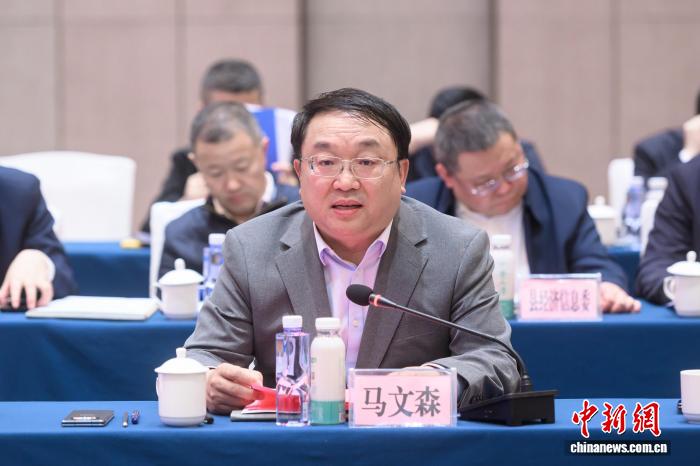
Ma Wensen, Secretary of the Xiushan County Party Committee, stated in his speech that Xiushan is a city of poetic charm and vibrant opportunities. “We sincerely hope that overseas Chinese media can use their platforms to showcase Xiushan to the world, so more people will know about, yearn for, visit, and stay in Xiushan. We eagerly look forward to overseas Chinese business leaders investing in Xiushan, turning its development opportunities into a win-win platform for all and creating a beautiful era together.”
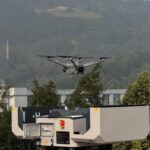
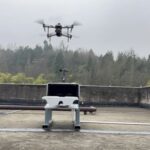
Hu Zhongyi stated that Xiushan is a city of culture, with thriving calligraphy and couplet traditions; a city of grandeur, with a regional transportation hub connecting to the world; a city of elegance, with beautiful landscapes and a comfortable living environment; and a city of spirit, with misty mountains and serene waters. From the 19th to the 20th, the joint visit team explored Xiushan High-tech Zone, modern logistics parks, and rural revitalization demonstration sites, experiencing the unique charm of Xiushan firsthand.
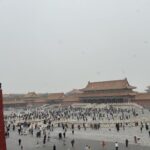
It is understood that Xiushan Tujia and Miao Autonomous County is located at the junction of four provinces (Chongqing, Hubei, Hunan, and Guizhou), boasting the geographical advantage of “one foot stepping in three provinces, three provinces sharing one city.” Xiushan is also the original setting of Shen Congwen’s novel “Border Town,” accumulating a distinctive border town culture, lantern culture, ethnic culture, and red culture.
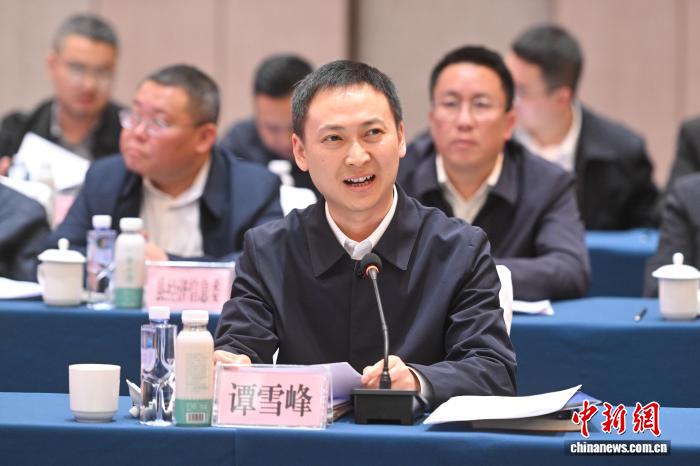
Tan Xuefeng, Deputy Secretary of the Xiushan County Party Committee and County Mayor, introduced that the central area of Xiushan County is the largest flatland in the Wuling Mountains, covering 758 square kilometers, with 522 square kilometers available for construction. Land and water resources can support a population of millions, providing capacity for medium-to-large-scale urban development. In 2025, Xiushan’s regional GDP reached 43.486 billion yuan, a year-on-year increase of 2.1%, continuing to lead southeastern Chongqing and being selected among the top 100 counties in western China for five consecutive years.
Subsequently, relevant departments of Xiushan County presented on investment attraction, cultural tourism, and corridor economy development. Representatives of overseas Chinese media and leaders engaged in exchange speeches.
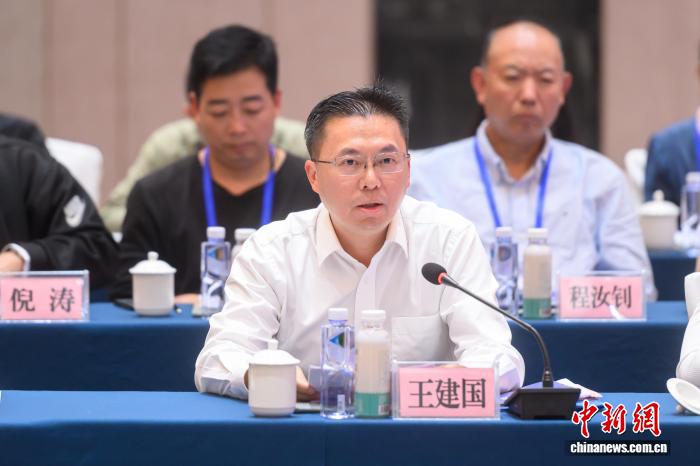
Wang Jianguo stated, “We hope everyone will continue to be ‘recorders’ of Chongqing’s development, going to the grassroots to capture fresh materials, turning the vivid practices of rural revitalization, ethnic unity, ecological protection, and the construction of the Chengdu-Chongqing economic circle into warm and in-depth reports. We also hope everyone will serve as ‘bridges’ for exchanges and cooperation, leveraging their resources and platforms to promote practical cooperation between their countries and Chongqing, attracting more funds, projects, and talents to invest and thrive here.”
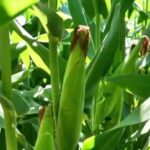
It is understood that on the 21st, the visit team will continue to explore Xiushan’s Xinglongao Modern Agricultural Park and Hong’an Border Town, using cameras to record Xiushan’s beauty and experiencing the Wuling charm with their hearts.
This event was jointly organized by the Chongqing Municipal Government Overseas Chinese Affairs Office, the Chongqing Municipal Government Information Office, and co-organized by the Wulong District Government Information Office, the Youyang County Government Overseas Chinese Affairs Office, and the Xiushan County Government Overseas Chinese Affairs Office, with execution by the Chongqing Branch of the International Communication Group.
Xiushan High-tech Zone
Xiushan High-tech Zone is a modern industrial and technological development area located in Xiushan County, Chongqing, China. Established to promote innovation and economic growth, it focuses on sectors such as electronics, biomedicine, and advanced manufacturing. The zone reflects China’s broader strategy to boost regional development and high-tech industries in less urbanized areas.
Xiushan Tujia and Miao Autonomous County
Xiushan Tujia and Miao Autonomous County, located in Chongqing, China, is a region known for its rich ethnic diversity, primarily home to the Tujia and Miao peoples. Historically, the area has been inhabited for centuries and was formally established as an autonomous county in 1983 to preserve the cultural heritage of these minority groups. Today, it is celebrated for its traditional architecture, folk customs, and scenic landscapes.
Border Town
“Border Town” is a novel by Chinese author Shen Congwen, set in the 1930s in the remote, picturesque town of Chadong on the border of Hunan, Sichuan, and Guizhou provinces. The story follows the life of Cuicui, a young ferry girl, and explores themes of love, innocence, and the clash between tradition and modernity. Through its lyrical prose, the novel captures the quiet beauty and fading customs of rural China during a time of social change.
Wuling Mountains
The Wuling Mountains are a major mountain range in central China, stretching across Hunan, Hubei, Guizhou, and Chongqing provinces. Historically, the region has been home to diverse ethnic minorities, such as the Tujia and Miao, and is renowned for its dramatic karst landscapes, including the UNESCO World Heritage site of Wulingyuan. The mountains have long been a natural barrier and cultural crossroads, influencing migration and settlement patterns in southern China.
Chengdu-Chongqing economic circle
The Chengdu-Chongqing economic circle is a major regional development initiative in southwestern China, designed to integrate the economies of Chengdu (Sichuan’s capital) and Chongqing (a direct-controlled municipality). Historically, both cities have been key economic and transportation hubs, with Chongqing serving as China’s wartime capital during World War II and Chengdu known for its ancient Silk Road connections. The modern economic circle, officially launched in 2020, aims to foster innovation, infrastructure, and industrial collaboration to drive growth and reduce regional disparities.
Xinglongao Modern Agricultural Park
Xinglongao Modern Agricultural Park is a contemporary agricultural demonstration site in China that integrates modern farming techniques with eco-tourism. Its history reflects the country’s broader push toward agricultural modernization, transforming traditional farmland into a high-tech, sustainable production and education hub. The park showcases innovations in crop cultivation and offers visitors interactive experiences with rural life and green technology.
Hong’an Border Town
Hong’an Border Town, located in Hunan Province near the border with Chongqing, is a historic and scenic area known for its well-preserved Qing Dynasty architecture and its role as a key setting in Shen Congwen’s classic novel *Border Town*. The town, also called Chadong, was a vital trading post along the ancient water routes of the Yuan River, blending Miao and Tujia cultural influences. Today, it attracts visitors for its tranquil riverside views, stilted houses, and the romantic legacy of the story’s iconic ferry girl, Cuicui.
Wulong District
Wulong District, located in Chongqing, China, is renowned for its dramatic karst landscapes, including the Three Natural Bridges and the Furong Cave. The area’s geological formations were shaped over millions of years, and it gained international recognition as a UNESCO World Heritage site as part of the South China Karst. Historically, Wulong was a remote region, but today it is a popular tourist destination, celebrated for its natural beauty and outdoor activities.