[ASEAN Special] ASEAN Tourists Flock to Chongqing for “Shopping Tours”
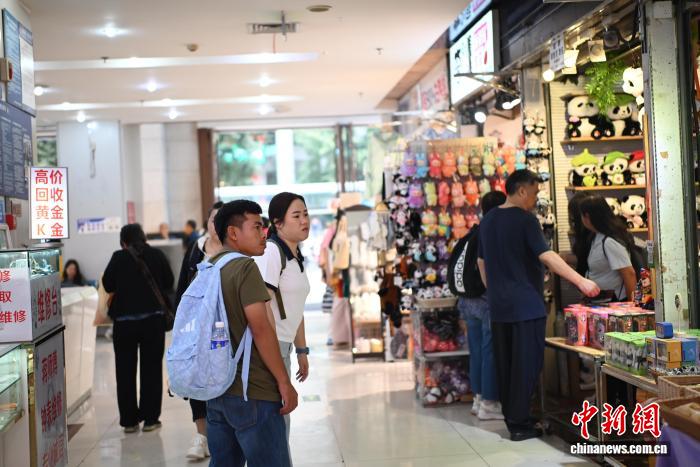
Clothing, luggage, bedding, small appliances… On the 11th, at the New Chongqing International Small Commodity Wholesale Center in Yuzhong District, Chongqing, Bason from Thailand and his family were constantly “buying, buying, buying.”
“The selection of goods here is very comprehensive and full of fashionable flair,” said Bason. He was on a four-day trip to Chongqing, with one day reserved for his own itinerary. This shopping experience was a way to gain a deeper understanding of local customs.
Recently, at the Chongqing Yidu Trade City in Dadukou District, Lar, a tourist from Laos, and her family were holding full shopping bags but showed no signs of stopping. Lar said the small commodities in Chongqing are of good quality and affordable, making them irresistible.
A travel agency manager noted that recently, ASEAN tourists have been enthusiastic about “shopping tours” in Chongqing. Shopping at various small commodity markets in the city has almost become a “must-do” for tourists, who not only request adding such itineraries but also enjoy going on their own.
Data shows that in the first quarter of 2026, over 137,000 foreign tourists entered through Chongqing Jiangbei International Airport, a year-on-year increase of 106%. Among these travelers, the top five countries of origin were Thailand, Malaysia, Singapore, Vietnam, and Indonesia—all ASEAN nations.
A tour leader from Laos observed that unlike the passive experience of “being taken to shops by tour groups,” the current popularity of “shopping tours” is largely driven by tourists’ own initiative. He analyzed that this is related to China’s strong small commodity production capacity and efficient logistics.
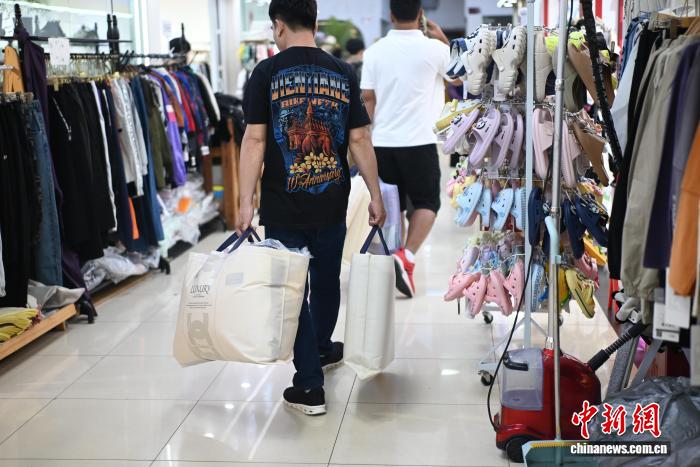
“The ‘shopping tours’ of ASEAN tourists combine both tourism and business value,” the travel agency manager said. Items purchased by tourists are not only for personal use or as gifts for relatives and friends but can also be resold back in their home countries. Recently, there have been cases of bulk repurchases of small items like refrigerator magnets.
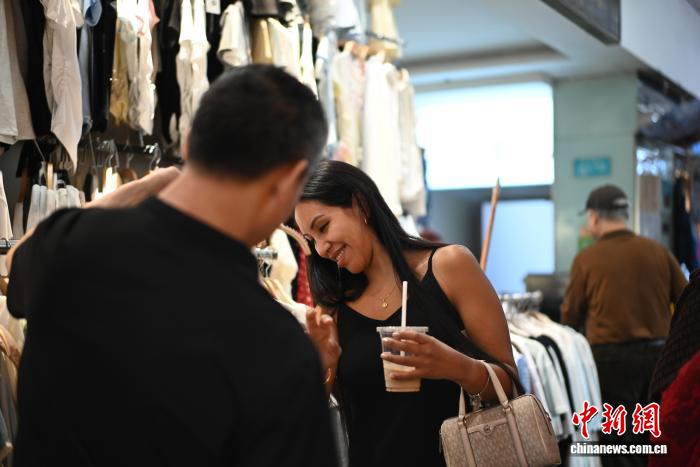
“ASEAN tourists love to look at the ‘aesthetics’ when shopping and are quite generous spenders,” said a clothing merchant in Dadukou, noting that ASEAN tourists have distinct characteristics. Regarding payment methods, cash is common, but Alipay, WeChat Pay, and credit cards are also used.
An accessories merchant in Yuzhong said that when serving customers, he enjoys chatting with them—from sports events and tourist attractions to TV dramas and movies. When a familiar word comes up, they share a “knowing smile.”
According to an executive at the Chongqing Yidu Trade City, recently, more and more foreign tourists have been coming to the trade city to “buy, buy, buy.” The trade city has updated its on-site signs and labels, providing guidance in both Chinese and English for foreign tourists, and has also set up a dedicated service desk.
The tour leader mentioned that besides the aforementioned trade city, commercial areas like Chongqing’s Guanyinqiao and The Ring are also popular places for ASEAN tourists to “stroll and shop.”
A professor commented that the burgeoning “shopping tours” are driving economic growth and consumption upgrades. This trend will undoubtedly promote the improvement of the entire cultural and tourism industry chain and its high-quality development, accelerating international communication and mutual learning among civilizations.