A 10,000-ton cargo ship can now sail directly to Chongqing — virtual technology lets you preview the new Three Gorges waterway channel in advance.
On June 8, the new water transportation channel project for the Three Gorges officially began construction in Yichang City, Hubei Province. This is the first major landmark project to start construction during the “15th Five-Year Plan” period in China. The project includes a new channel at the Three Gorges hub and the expansion of the Gezhouba navigation capacity. Let’s use virtual augmented reality technology to see what the new Three Gorges hub channel will look like once completed.
The New Three Gorges Hub Channel
Capable of Handling Large 10,000-Ton Vessels in the Future
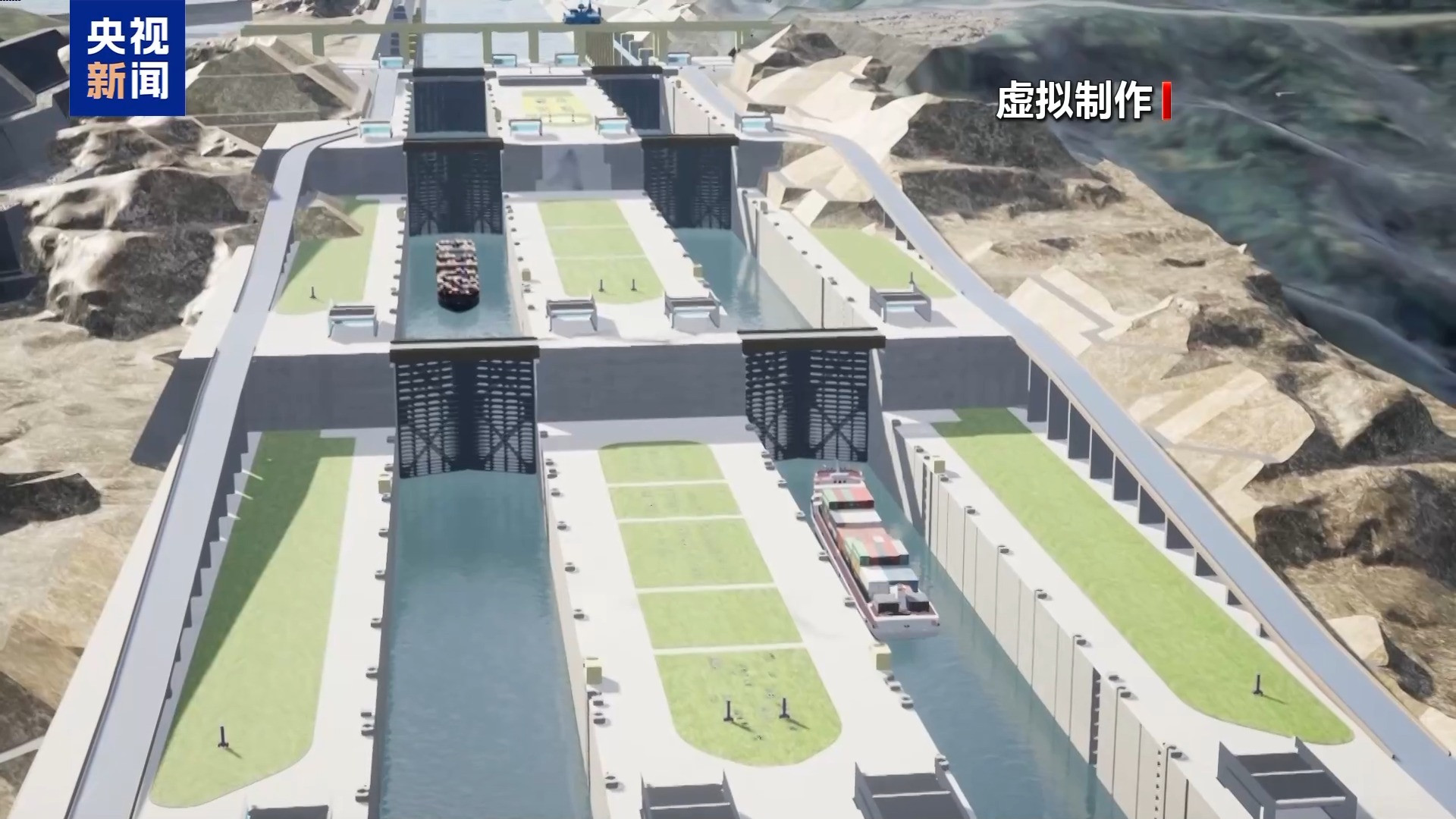
The new Three Gorges hub channel is located north of the existing ship locks, with a planned total length of 6,680 meters.
The 6,680-meter channel is divided into three sections:
The upstream approach channel connects to incoming ships from upstream;
The main lock section, the “heart” of the entire project, features a five-stage lock system to assist ship passage;
The downstream approach channel connects to the downstream river surface.
Once completed, ships will flow continuously through both channels.
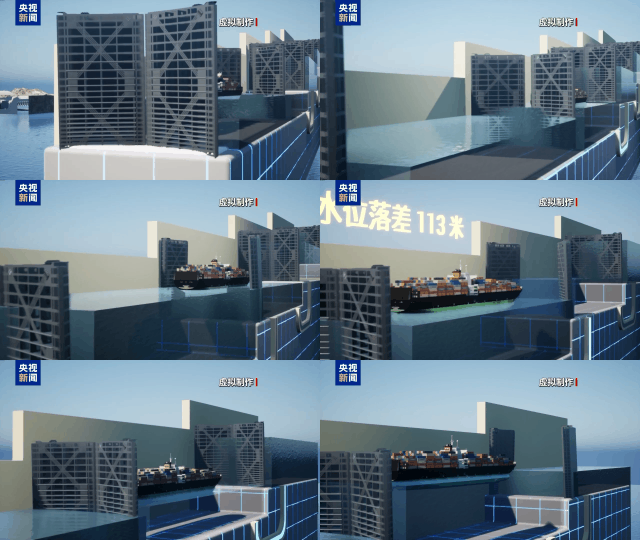
How do ships cross the Three Gorges Dam? The answer lies in the main lock section. Each lock chamber uses two gates to block, store, drain, and control water, separating the water levels upstream and downstream to help ships ascend or descend. Each gate reaches a height of 40 meters, equivalent to a 13-story residential building.
Currently, the mainstream ship type passing through the Three Gorges locks is 5,000 tons, while this new channel can accommodate large 10,000-ton vessels. The total annual throughput capacity will reach 336 million tons, improving navigation efficiency, and the freight cost for 10,000-ton vessels can be reduced by about 30%.
Once completed, the Three Gorges hub will feature a layout of four lock lines plus a ship lift, with a maximum water level difference of 113 meters between upstream and downstream. These ships will ascend and descend steadily, step by step, like climbing stairs, ensuring safe navigation throughout the year, day and night.
Two New Large Locks at Gezhouba
Enhancing Navigation Capacity
We have just learned about the construction of the new Three Gorges hub channel. What is the current progress of the Gezhouba navigation expansion project, and what will it look like in the future?
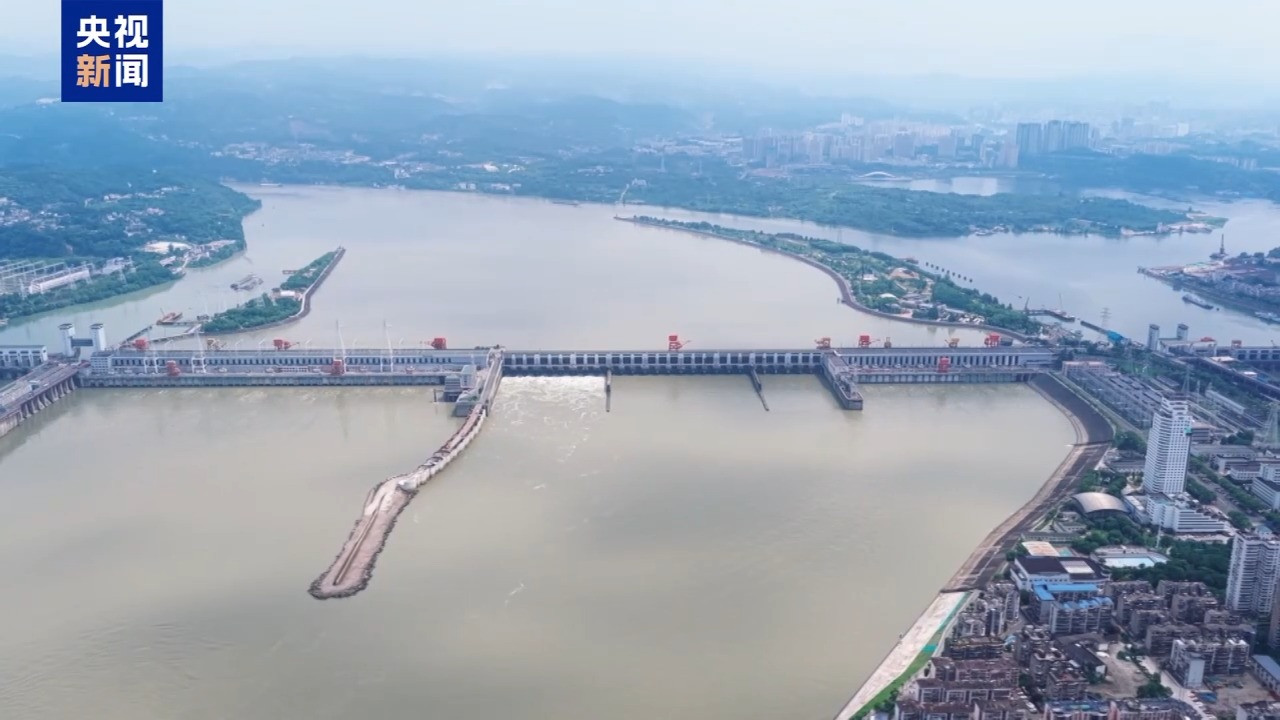
Gezhouba Dam is 2,600 meters long and serves both flood control and power generation functions. Its 21 units have a total installed capacity of 2.715 million kilowatts, with an average annual electricity generation sufficient for a medium-sized city’s yearly use.
The three locks at Gezhouba include the wider No. 1 and No. 2 locks, which are the main large locks for cargo vessels. The narrower No. 3 lock is typically used for passenger ships.
With the rapid development of Yangtze River shipping, the existing capacity of the Gezhouba locks can no longer meet demand. It is expected that by 2033, the Gezhouba navigation expansion project will be fully completed. Using virtual technology, let’s see what the new scene will look like after completion.
After the Gezhouba navigation expansion project is finished, the old No. 3 lock and the Gezhouba Park area will be transformed. On the original site, two new locks will rise, each with a chamber width expanded to 40 meters, an effective length of 280 meters, and a minimum water depth of 8 meters, capable of handling 10,000-ton vessels.
When the two new locks are put into operation, together with the existing No. 1 and No. 2 locks, they will form a grand landscape of four parallel lines, boosting Gezhouba’s navigation capacity to 360 million tons.
Why Build the New Three Gorges Water
Three Gorges
The Three Gorges is a scenic region along the Yangtze River in China, famous for its dramatic cliffs, narrow canyons, and stunning natural beauty. Historically, the area has been a vital transportation route and a source of inspiration for poets and artists for centuries. Today, it is also known for the Three Gorges Dam, the world’s largest hydroelectric project, which was completed in 2012 to control flooding and generate power.
Gezhouba
Gezhouba is a large hydroelectric dam located on the Yangtze River in Yichang, Hubei Province, China. Construction began in 1970 and was completed in 1988, making it the first major dam built on the Yangtze before the larger Three Gorges Dam upstream. It serves both as a key source of electricity generation and as a navigation facility to improve river transport.
Three Gorges Dam
The Three Gorges Dam, located on the Yangtze River in China’s Hubei province, is the world’s largest hydroelectric power station and a major feat of modern engineering. Construction began in 1994 and was completed in 2012, aimed at controlling floods, generating clean energy, and improving river navigation. However, the project has been controversial due to its displacement of over a million people and significant environmental impacts.
Three Gorges hub
The Three Gorges hub is a massive hydroelectric and engineering complex located on the Yangtze River in China, best known for the Three Gorges Dam. Construction began in 1994 and was completed in 2012, making it the world’s largest power station by installed capacity. The project was built to control flooding, improve river navigation, and generate clean energy, though it also required the relocation of over a million people and significantly altered the local environment.
Gezhouba Dam
The Gezhouba Dam is a large hydroelectric dam located on the Yangtze River in Yichang, Hubei Province, China. Construction began in 1970 and was completed in 1988, making it the first major dam built on the Yangtze and a precursor to the larger Three Gorges Dam. It plays a crucial role in flood control, navigation, and electricity generation, significantly contributing to China’s energy infrastructure.
Yangtze River
The Yangtze River is the longest river in Asia and the third-longest in the world, flowing over 6,300 kilometers through China. It has been a cradle of Chinese civilization for millennia, supporting agriculture, trade, and cultural development since ancient times. Historically, it served as a vital waterway and a natural boundary between northern and southern China, with its Three Gorges region famously inspiring poetry and art for centuries.
Gezhouba Park
Gezhouba Park is a scenic area in Yichang, Hubei Province, China, built alongside the Gezhouba Water Control Project, which was the first large-scale hydroelectric dam constructed on the Yangtze River, completed in 1988. The park offers visitors a close-up view of the dam’s massive locks and sluice gates, and it showcases the engineering achievements of the project that helped control flooding and generate electricity. It also features landscaped gardens, walking paths, and historical exhibits that highlight the region’s development and the dam’s role in modernizing China’s infrastructure.
Three Gorges locks
The Three Gorges locks, located on the Yangtze River in China, are a key component of the massive Three Gorges Dam project, which began construction in 1994 and became fully operational in 2012. These locks consist of a five-step ship lift and a series of chambers that allow vessels to navigate the 113-meter elevation difference created by the dam, making it one of the largest and most complex lock systems in the world. Historically, the area was known for its treacherous rapids, and the locks have significantly improved river transport, boosting trade and tourism while also facilitating flood control and hydroelectric power generation.